


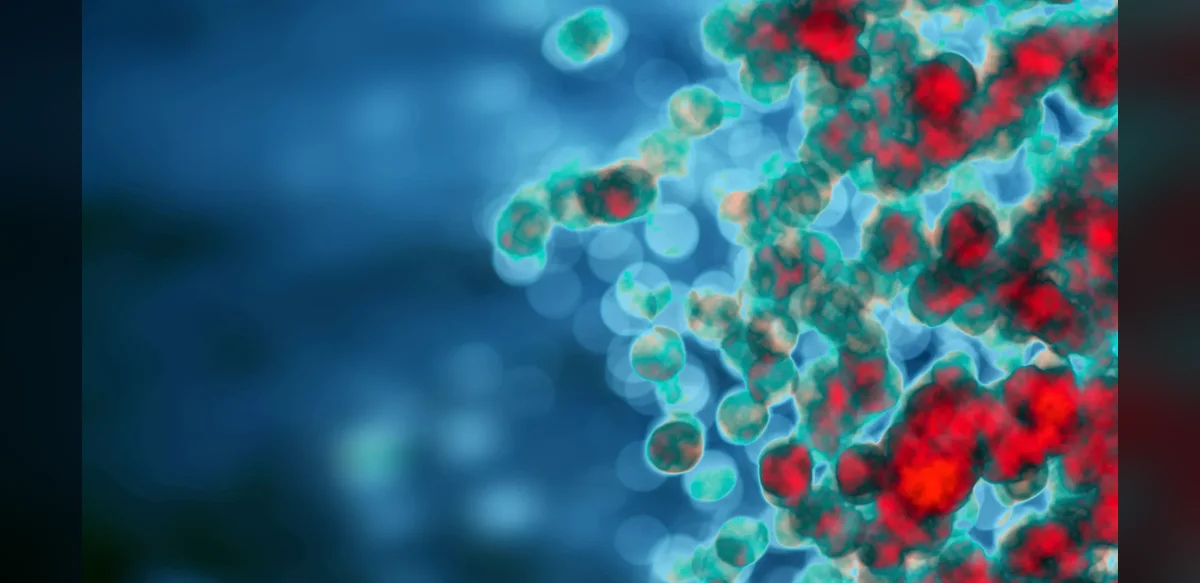
Recent developments in cancer treatment have highlighted the potential of specialized nanoparticles that activate only within tumor environments. These prodrug nanoparticles are designed to release therapeutic agents precisely where needed, reducing harm to healthy tissues. Numerous therapeutic agents have been shown to trigger antitumor immune responses, contributing to advances in immunotherapy approaches.
Scientists continue to explore ways these nanoparticles can improve drug delivery and enhance immune system recognition of cancer cells. By remaining inactive until reaching the tumor site, the particles minimize side effects commonly associated with traditional chemotherapy. Early studies suggest improved outcomes when combining these nanoparticles with existing immunotherapy methods.
Research teams worldwide are testing various formulations to optimize stability and activation triggers. Factors such as pH levels and enzyme presence in tumors play key roles in the release mechanism. This targeted strategy aims to boost efficacy while lowering overall dosage requirements.
Clinical trials are underway to evaluate safety and performance in patients with different cancer types. Preliminary data indicate promising immune activation without widespread toxicity. Experts emphasize the need for further investigation into long-term effects and optimal combinations with other treatments.
The field of medical research benefits from interdisciplinary collaboration between chemists, biologists, and clinicians. Such efforts accelerate the translation of laboratory findings into practical therapies. Continued funding and innovation remain essential for refining these nanoparticle systems.
Public health implications include potential reductions in treatment costs and improved patient quality of life through more precise interventions. As understanding grows, these technologies may extend to additional disease areas beyond oncology.
Overall, tumor-activated prodrug nanoparticles represent a significant step forward in cancer immunotherapy, offering hope for more effective and tolerable options in the future.


