


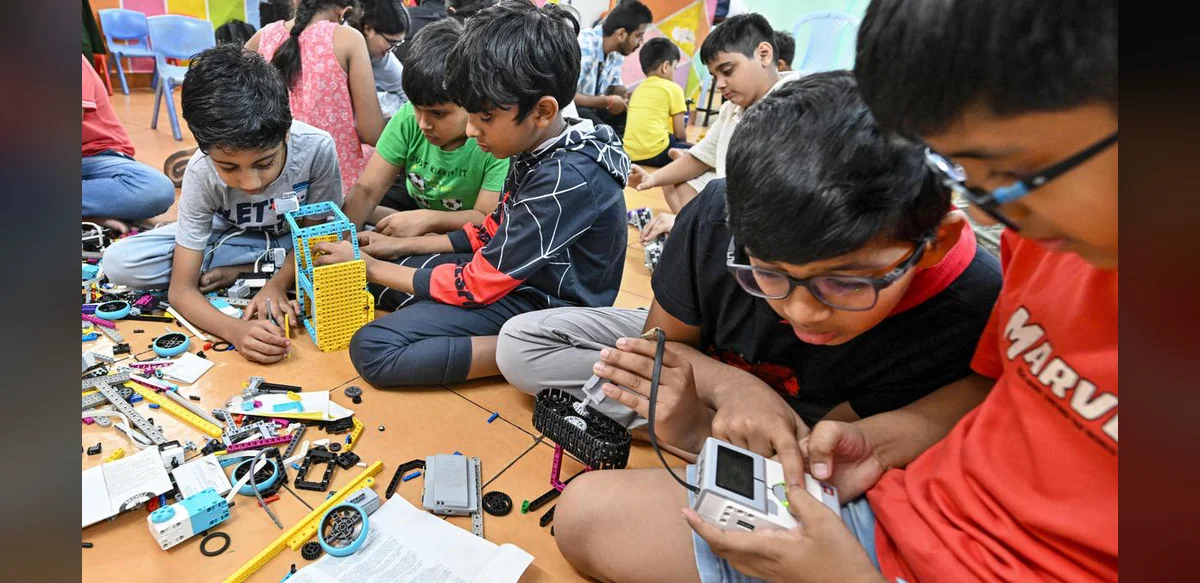
The BrainyBotz STEM Innovation Challenge scheduled for 2026 invites participants to develop practical methods for maintaining comfortable indoor temperatures. The focus rests on solutions that remain affordable and can be constructed using materials available in local communities. Organizers emphasize the need for designs that young people can understand and implement without requiring advanced resources or specialized equipment.
Participants are encouraged to explore simple engineering principles that reduce heat buildup inside residential structures. Ideas may include improved ventilation systems, reflective surfaces, or natural shading techniques adapted to regional conditions. The challenge highlights the importance of keeping costs low so that families in various economic situations can adopt the resulting approaches.
Educators involved in the program note that such activities help students connect classroom learning with real-world problems. By working on home cooling strategies, young innovators gain experience in testing, measuring, and refining their concepts. This process supports the development of critical thinking and problem-solving abilities that extend beyond the immediate task.
The initiative aligns with broader efforts to promote science and technology education among school-aged children. Organizers expect entries from diverse regions, allowing participants to consider how climate variations affect the suitability of different cooling methods. Emphasis is placed on solutions that do not rely on expensive imported components.
Judges will evaluate submissions based on practicality, cost-effectiveness, and ease of local construction. Winning ideas may be shared through educational networks to encourage wider adoption. The challenge aims to demonstrate that meaningful technological contributions can originate from young minds when given appropriate opportunities and guidance.
Community involvement is also encouraged, with suggestions that families and local builders provide feedback on proposed designs. This collaborative element helps ensure that final recommendations reflect actual living conditions and available resources. By focusing on accessible innovations, the program seeks to address everyday comfort needs in a sustainable manner.
Overall, the 2026 edition continues the tradition of engaging youth in applied science projects that address practical concerns. Through this effort, BrainyBotz hopes to foster a new generation of thinkers capable of creating useful, low-cost improvements for residential environments.


