


Many individuals learn they have grade 1 fatty liver after a standard ultrasound, often without prior symptoms. Upon receiving this diagnosis, questions arise about its meaning, potential risks, and whether reversal is possible. This overview explains mild fatty liver disease and outlines evidence-based lifestyle adjustments along with traditional approaches that may help.
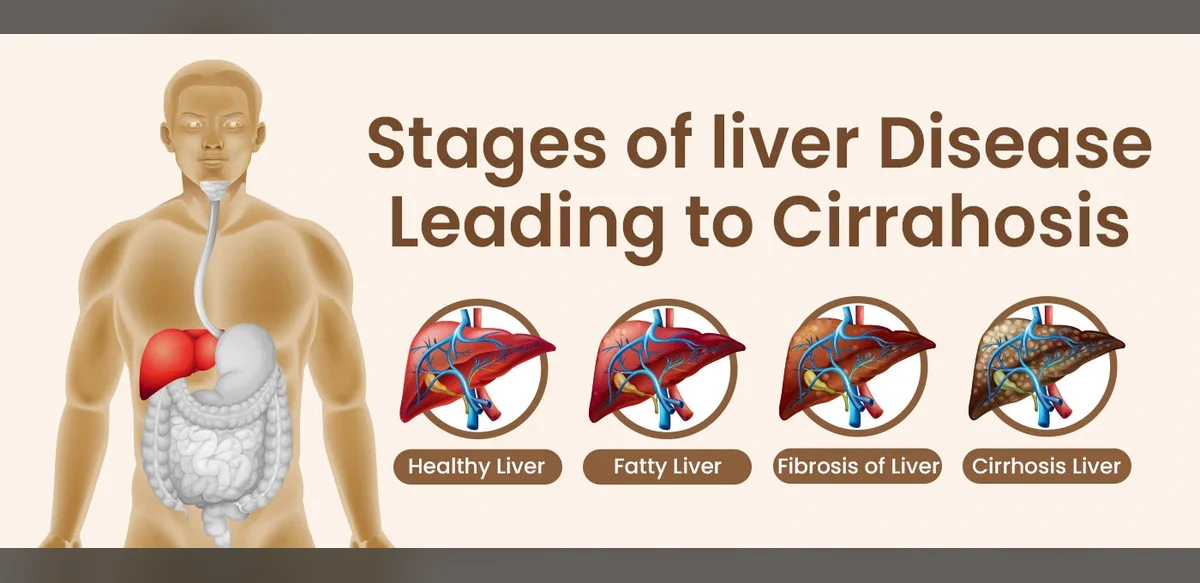
Grade 1 fatty liver, sometimes called mild hepatic steatosis, indicates that fat makes up roughly five to ten percent of the liver’s weight. This represents the earliest stage of the condition. At this point the organ typically continues to function normally without notable inflammation or scarring. It serves as an early signal that metabolic health or daily habits may require adjustment.
The presence of visible fat on imaging does not imply permanent harm. Medical experts note that this stage remains reversible through consistent changes. Early recognition allows time to act before the condition advances to higher grades. Dietary modifications, regular physical activity, and weight control form the foundation of management.
Grade 1 fatty liver itself does not pose immediate danger to life. Nevertheless, it signals that metabolic balance may be disrupted. Without attention, the situation can progress. Continued fat buildup may eventually trigger inflammation, leading to a more serious state known as non-alcoholic steatohepatitis. Early steps therefore offer the best opportunity to prevent worsening.
Progression is not guaranteed. Individuals who adopt lifestyle changes often observe improvement within several months. Factors that raise the chance of advancement include elevated cholesterol, high triglycerides, excessive alcohol intake, metabolic syndrome, and poorly managed type 2 diabetes. Age, limited movement, and unbalanced nutrition can also contribute. Most of these elements can be addressed through deliberate action.
Symptoms are frequently absent. When present, they tend to be subtle and include persistent tiredness, mild discomfort in the upper right abdomen, bloating after meals, or general weakness. Anyone experiencing ongoing fatigue or abdominal unease, especially alongside risk factors such as excess weight or elevated blood sugar, should consult a physician for proper evaluation.
Common contributors include excess body weight, insulin resistance linked to type 2 diabetes, and abnormal lipid levels. Alcohol consumption adds further strain because the liver prioritizes its breakdown over normal fat processing. Diets high in refined carbohydrates, fried items, and sugary beverages, combined with inactivity, promote fat storage in the liver.
Diagnosis usually begins with an abdominal ultrasound that reveals increased brightness of the liver tissue. Blood tests measuring liver enzymes, glucose, and lipids provide additional context. Imaging remains the preferred method because enzyme levels can appear normal even when fat is present.
An enlarged liver, termed hepatomegaly, may accompany the finding but is not necessarily alarming at this stage. Reduction in fat through improved habits often leads to decreased size and better function.
Reversal is achievable at grade 1. Consistent effort over three to six months frequently yields measurable progress. Key measures include a balanced nutrient-dense eating pattern, at least 150 minutes of moderate aerobic exercise weekly, gradual weight reduction of five to ten percent, sufficient rest, and avoidance of alcohol. These steps improve insulin sensitivity and reduce liver fat accumulation.
Supportive foods include leafy greens, whole grains such as barley and brown rice, fatty fish rich in omega-3s, nuts, seeds, antioxidant-containing fruits, and turmeric. Limiting sugary drinks, processed items, and refined carbohydrates helps prevent additional fat buildup. Portion awareness and higher fiber intake further aid metabolic recovery.
Lifestyle adjustments emphasize steady moderate activity such as brisk walking or cycling, combined with strength training. Maintaining regular sleep schedules supports hormonal balance. Avoiding alcohol entirely during recovery prevents setbacks.
Traditional systems such as Ayurveda view the condition as related to imbalances in digestion and accumulation of metabolic residues. Approaches focus on restoring digestive strength through specific foods, daily routines, and selected herbs. Practices like certain yoga postures and breathing exercises are sometimes recommended to support liver function.
Professional medical advice remains essential before starting any supplement or herbal regimen. Individuals with diabetes or digestive sensitivities should seek guidance on appropriate options and dosages. Follow-up testing helps track progress and determine whether further intervention is needed.
Prompt care is advised if severe abdominal pain, persistent nausea, jaundice, or unexplained bruising develops. Routine monitoring of liver enzymes, blood sugar, and lipid profiles supports ongoing management.


