

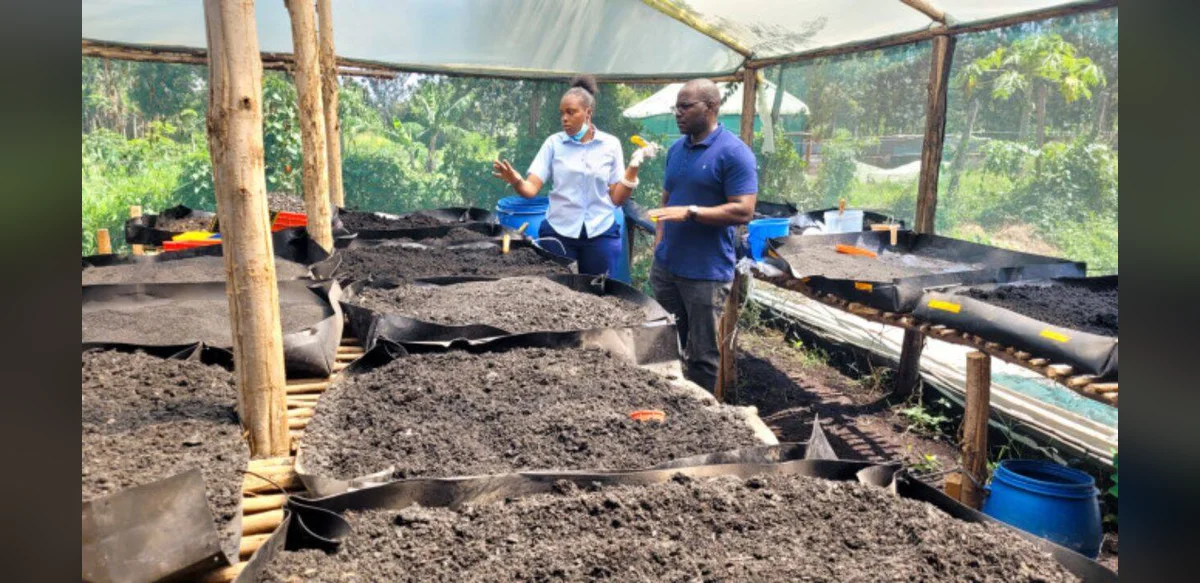
In recent developments from East Africa, a team of researchers has pioneered a method to transform human waste into a safe and effective fertilizer. This initiative has already reached approximately one thousand small-scale farmers across several regions in Kenya. The project focuses on addressing both waste management challenges and the need for affordable agricultural inputs in areas where soil fertility is declining.
The process begins with the collection of human waste from designated sanitation facilities. Researchers then apply controlled treatment techniques that eliminate harmful pathogens while preserving essential nutrients such as nitrogen, phosphorus, and potassium. The resulting product is dried, processed into granules, and packaged for distribution. Farmers report that the fertilizer improves crop yields without the high costs associated with imported chemical alternatives.
Local agricultural experts note that many Kenyan soils suffer from nutrient depletion due to continuous farming and limited access to commercial fertilizers. By recycling waste materials, the new approach creates a circular system that reduces environmental pollution from untreated sewage while supporting food production. Early trials showed positive results on maize, vegetables, and other staple crops commonly grown by smallholders.
Community involvement has been central to the rollout. Participating farmers receive training on safe handling and application methods to ensure the product is used correctly. Health officials emphasize that the treatment process meets international safety standards, minimizing risks of disease transmission. The project also includes monitoring to track soil health improvements over multiple growing seasons.
Funding for the research came from a combination of government grants and international development partners focused on sustainable agriculture. The team continues to refine the technology, exploring ways to scale production and lower costs further. Additional pilot sites are being considered in neighboring countries facing similar challenges with sanitation and farming inputs.
Critics of large-scale chemical fertilizer use have welcomed the innovation as a step toward more environmentally friendly practices. However, they stress the importance of ongoing quality control and farmer education. Government representatives have expressed interest in integrating the method into national agricultural policies if results remain consistent.
The initiative highlights broader efforts in the region to link public health infrastructure with economic activities. By turning a waste product into a resource, researchers aim to create jobs in collection, processing, and distribution while improving livelihoods for rural communities. Long-term studies are planned to assess impacts on both yields and local ecosystems.
Farmers who have adopted the fertilizer describe noticeable differences in plant growth and soil texture. One participant noted better water retention in treated plots during dry periods. Such observations align with laboratory findings on the nutrient profile of the processed material. The project team continues to gather feedback to adjust formulations for different soil types.
Overall, the work represents a practical response to interconnected issues of waste disposal, food security, and resource efficiency. As more data becomes available, the approach could serve as a model for other developing areas seeking low-cost solutions to agricultural and sanitation needs. Expansion efforts will depend on sustained support and demonstrated safety over time.


