

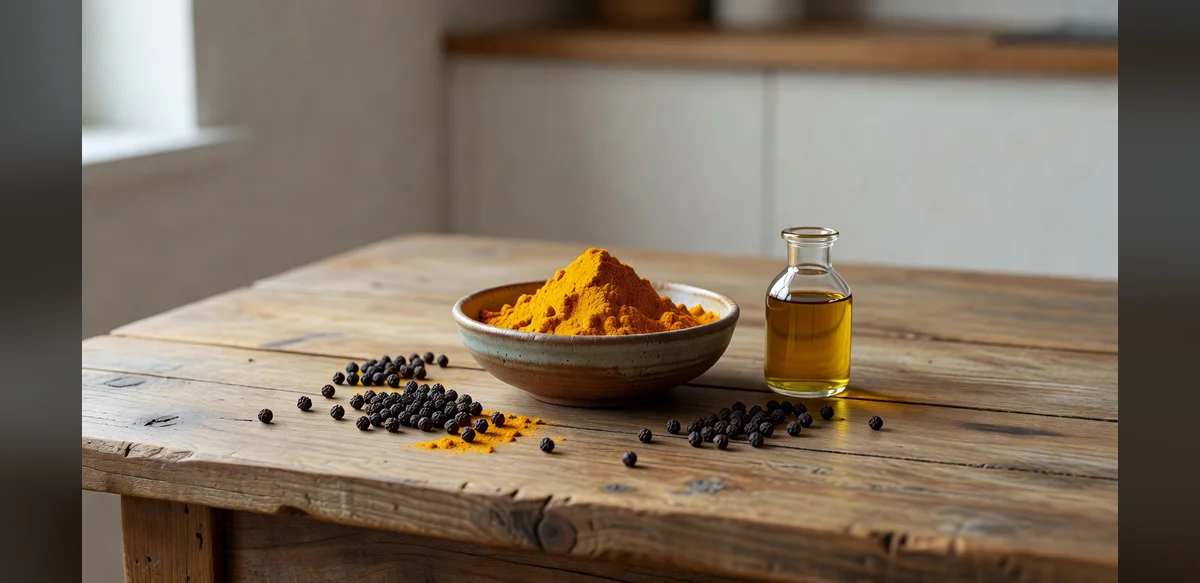
Recent discussions among nutrition specialists have centered on curcumin, a compound derived from the turmeric root, and its possible role in supporting joint comfort. According to available information, supplements containing this substance may provide relief similar to that offered by certain nonsteroidal anti-inflammatory drugs, yet with a reduced likelihood of adverse reactions.
Turmeric has long been recognized in traditional practices for its properties, and modern interest focuses on isolating curcumin for targeted use. The compound is believed to interact with pathways involved in inflammation, which could explain reported effects on joint areas. However, experts emphasize that individual responses vary and that such supplements are not intended to replace medical advice or prescribed treatments.
One key point highlighted is the challenge of absorption. Curcumin on its own is not readily utilized by the body. To address this, combining turmeric or its extracts with black pepper is often recommended. The piperine found in black pepper can enhance bioavailability. Additionally, consuming the mixture with a source of dietary fat may further aid uptake, as curcumin is fat-soluble.
Health professionals advise consulting a physician before beginning any supplement regimen, particularly for those with existing conditions or who are taking other medications. While preliminary observations suggest comparability to standard options in some cases, more extensive studies are needed to confirm long-term outcomes and optimal dosing.
Public interest in natural approaches to wellness continues to grow, prompting greater scrutiny of ingredients like curcumin. Nutrition guidelines generally encourage balanced diets rich in whole foods, where spices such as turmeric can play a supportive role alongside other nutrients. Weight management and regular physical activity remain foundational elements for maintaining joint function over time.
In research settings, investigations into curcumin have explored its interactions at the cellular level. These efforts contribute to a broader understanding of how certain plant-based compounds might influence health markers. Still, findings are often preliminary, and results from controlled trials can differ based on methodology and participant groups.
For those considering turmeric-based options, quality and standardization of supplements matter. Products vary in concentration and formulation, which can affect consistency. Pairing them thoughtfully with black pepper and fats represents a practical step to maximize potential benefits as described.
Overall, the conversation around curcumin reflects ongoing exploration within the fields of nutrition and medical research. It underscores the value of evidence-based approaches when evaluating alternatives for everyday comfort. Continued attention to scientific developments will help clarify the place of such compounds in comprehensive health strategies.
Readers are encouraged to seek information from reputable sources and to prioritize professional guidance tailored to personal circumstances. This measured perspective helps ensure that interest in traditional spices aligns with safe and informed practices.


