


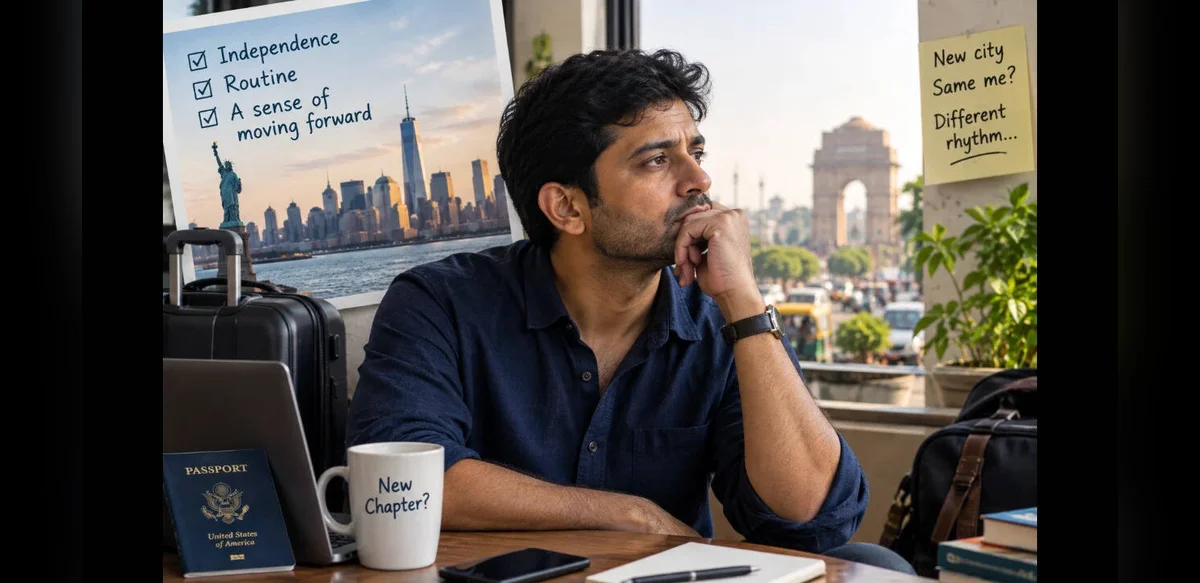
Many individuals who have lived abroad for extended periods face unexpected hurdles when they decide to return to their country of origin. One such account highlights the experience of an ex-NRI who spent several years in the United States before moving back to India. The person described having established a clear sense of independence, a steady daily routine, and an overall feeling of progress during their time overseas.
Upon returning, the transition proved more challenging than anticipated. Daily life in India presented differences in pace, infrastructure, and social expectations that required significant adaptation. What had once felt familiar now required conscious effort to navigate, from commuting patterns to interactions with local services.
The former resident noted that the structured environment experienced abroad had provided a framework that supported personal goals. In contrast, the return introduced variables that disrupted that framework. Simple tasks sometimes demanded more time and patience, leading to a temporary sense of stagnation.
Community ties also played a role in the adjustment process. While family connections offered support, the broader social landscape had evolved during the absence. Rebuilding professional networks and reestablishing everyday habits took longer than expected.
Experts in migration studies observe that reverse relocation often carries emotional and practical complexities similar to initial moves abroad. Individuals may underestimate the extent to which their perspectives and habits have shifted after prolonged exposure to another culture.
In this case, the ex-NRI emphasized the value of maintaining flexibility and seeking small, consistent steps toward integration. Over time, new routines emerged that incorporated positive elements from both experiences. The account serves as a reminder that relocation in either direction involves ongoing adaptation rather than a single event.
Stories like this contribute to broader discussions about the experiences of people who divide their lives between countries. They underscore the importance of realistic expectations and support systems for those considering a permanent return.
Public conversations on the topic frequently include advice on financial planning, cultural reconnection, and mental preparation. Resources from community organizations and online forums provide practical guidance drawn from collective experiences.
Ultimately, the individual expressed that while the initial period was demanding, it also offered opportunities for renewed perspective. The process of rebuilding a sense of forward movement continues, shaped by lessons learned both abroad and at home.
Such personal reflections add depth to understanding the full cycle of migration and return, highlighting resilience as a key factor in successful transitions.

