

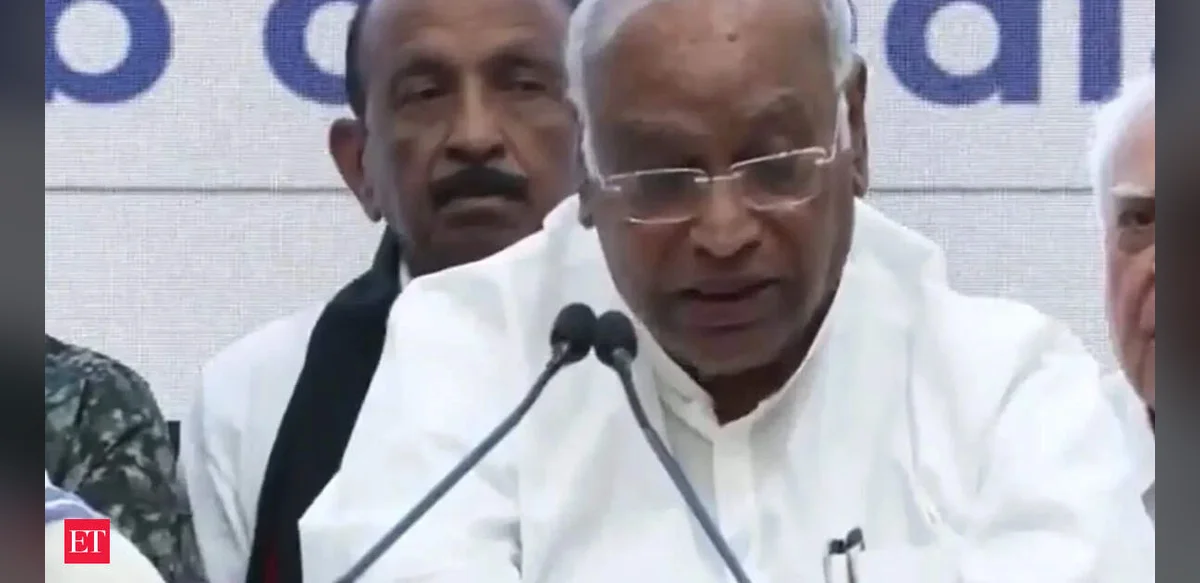
In a recent gathering of the INDIA alliance, senior Congress figure Mallikarjun Kharge presented a series of proposals aimed at strengthening electoral processes across the country. The discussion focused on restoring the use of traditional ballot papers for voting and ensuring that voter lists undergo a thorough pre-revision check before any special intensive updates take place. These steps, according to the leader, are essential to protect the voting rights of all eligible citizens and maintain public trust in the system.
Kharge emphasized that past practices involving paper ballots had provided a clear and verifiable method for recording choices, reducing concerns over technical issues that can arise with electronic systems. He called for a return to this approach in upcoming polls to allow for easier audits and recounts when needed. The suggestion comes amid ongoing debates about the reliability and accessibility of current voting technology.
Another key point raised during the meeting involved the preparation of electoral rolls well in advance of any major revisions. By implementing these pre-checks, the alliance hopes to minimize errors such as duplicate entries or missing names that have occasionally affected participation rates. Kharge noted that accurate lists form the foundation of fair elections and that proactive measures could prevent disputes later in the process.
The INDIA bloc also advocated for increased openness from the Election Commission regarding its operations and decision-making. Greater access to data on voter registration, polling station management, and result tabulation was highlighted as a way to build confidence among voters and political parties alike. This push for transparency aligns with broader calls for accountability in public institutions.
Participants in the meeting agreed that these reforms would require coordinated efforts between central authorities and state-level bodies. Discussions touched on the logistical challenges of reintroducing paper-based voting on a large scale, including training for staff and secure storage of materials. Yet the group expressed optimism that with proper planning, such changes could be implemented effectively.
Kharge further stressed the importance of inclusive dialogue involving all stakeholders to refine these ideas. He suggested forming committees to examine successful models from other regions and adapt them to local conditions. The overall goal remains to create an environment where every vote counts equally and the process remains free from undue influence.
Observers note that the alliance’s platform reflects concerns voiced in recent years about the evolution of election practices. By focusing on established methods alongside modern safeguards, the proposals seek a balanced path forward. Future sessions are expected to build on these initial points, potentially leading to formal submissions to relevant bodies.
The meeting concluded with a commitment to continue advocating for these measures in public forums and legislative settings. Kharge reiterated that safeguarding democratic principles requires constant vigilance and willingness to adapt based on evidence and feedback from the ground. As preparations for the next electoral cycle advance, these demands are likely to feature prominently in political discourse.
Additional context from the discussions indicated interest in studying historical data on voter turnout under different systems to inform recommendations. This evidence-based approach could help address specific regional variations in participation and administration. Overall, the session underscored a shared dedication to strengthening the foundations of representative governance through practical and transparent steps.


