

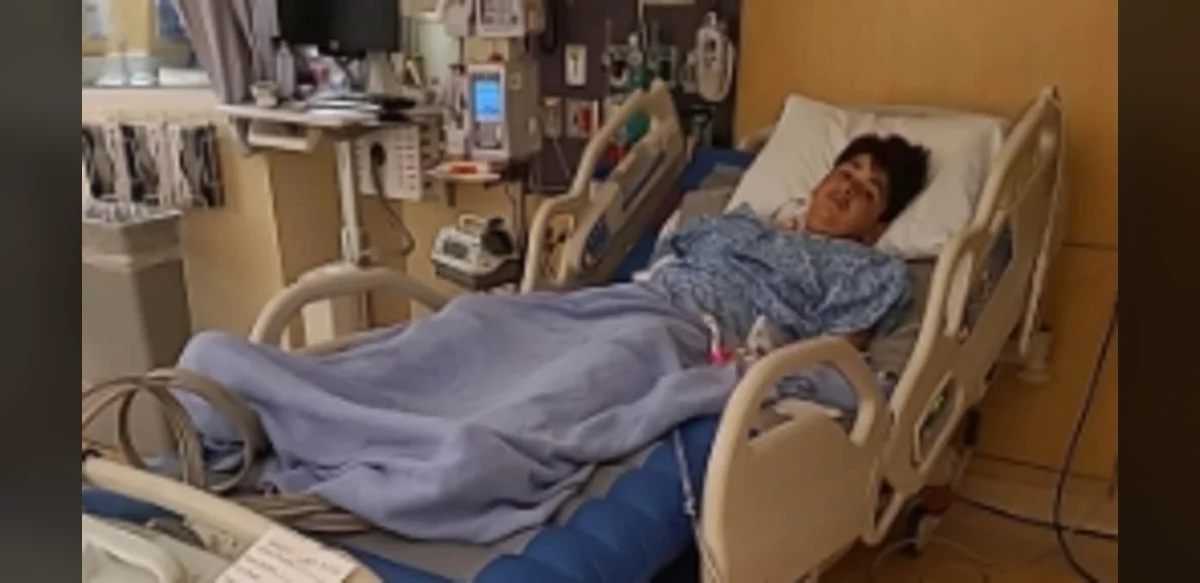
Health authorities have reported the admission of a thirteen-year-old to a medical facility after the individual developed an uncommon secondary condition linked to West Nile virus. The case comes at a time when overall detections of the virus have risen in several regions.
West Nile virus is transmitted primarily through the bite of infected mosquitoes. Most people who contract the pathogen experience either no symptoms or only mild flu-like signs that resolve without medical intervention. In a smaller percentage of instances, however, the infection can lead to more serious neurological effects.
The current hospitalization involves one such uncommon outcome. Medical staff are providing supportive care while monitoring the patient closely. Officials have not released additional personal details in keeping with privacy standards.
Public health agencies continue to track the seasonal pattern of mosquito-borne illnesses. Increased rainfall and warmer temperatures in recent months have created favorable conditions for mosquito populations to grow, contributing to the observed rise in reported infections.
Communities are encouraged to reduce standing water around homes and to use insect repellent when outdoors during peak mosquito activity hours. These simple steps remain among the most effective ways to limit exposure.
Clinicians note that early recognition of unusual symptoms following possible mosquito contact can improve outcomes. Anyone experiencing persistent headache, confusion, or muscle weakness after spending time in areas with known virus circulation is advised to seek medical evaluation promptly.
Surveillance programs across multiple jurisdictions are collecting data on case numbers and severity. This information helps guide resource allocation and public messaging for the remainder of the transmission season.
Researchers emphasize that while most infections remain mild, the potential for rare but serious complications underscores the importance of ongoing prevention efforts. Vaccination against the virus is not currently available for humans, making personal protective measures essential.
Local health departments are distributing educational materials that outline both the typical progression of West Nile infection and the warning signs that warrant immediate attention. Hospitals have also reviewed protocols for managing neurological complications associated with the virus.
The situation is being monitored closely by regional and national health bodies. Updates will be issued as new laboratory confirmations and epidemiological trends become available. Residents are urged to stay informed through official channels rather than unverified social media reports.
In summary, the reported case highlights both the variability of West Nile virus outcomes and the broader uptick in activity this season. Continued vigilance regarding mosquito control and prompt medical consultation when symptoms arise can help limit further impact on affected communities.


