

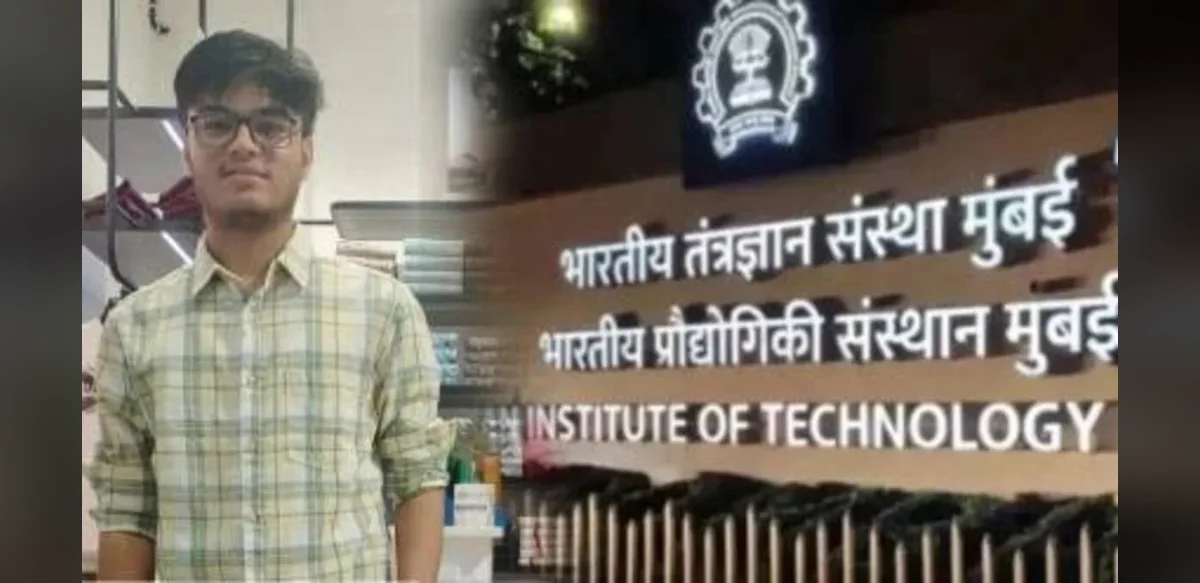
The passing of an IIT Bombay student in September 2026 has led to intense discussions involving claims of caste-based issues, questions about institutional responses, student involvement, and the influence of outside groups. Family members have pointed to possible harassment linked to caste, while separate reports have surfaced regarding the actions of those organizing around the event.
Media accounts indicate that the Legal Rights Observatory filed a complaint with Mumbai police. It names several individuals, including an advocate, a professor, and students, and calls for probes under laws such as the UAPA, the National Security Act, and the Maharashtra Special Public Security Act of 2025. The claims center on the spread of unverified information, online posts seen as inflammatory, and efforts that could heighten divisions along caste lines.
One point of focus involves an individual described as holding Overseas Citizen of India status along with German citizenship and linked to a senior advocate’s office. OCI status grants certain rights but stops short of full citizenship or voting privileges. Possession of foreign citizenship or OCI standing alone does not indicate illegal activity or bar participation in permitted advocacy. The key issue remains whether any person, regardless of nationality, crossed into conduct barred by Indian statutes.
Reports also mention this person’s reported visit to the hospital where the student’s relatives were present and suggestions that the family was encouraged to invoke the Scheduled Castes and Scheduled Tribes Prevention of Atrocities Act against a faculty member. Any such interactions, if confirmed, would warrant further review under proper procedures.
Attention has turned to connections with human rights organizations, including the Human Rights Law Network and its Social Legal Information Centre. Queries have arisen about possible support from overseas entities with religious ties. Assessments of funding sources, amounts, and objectives should rely on verified financial statements, donor records, and official filings rather than unconfirmed reports.
References to legal representation in earlier cases, such as the 2020 Delhi events, fall within the bounds of standard professional duties for lawyers. Public examination of funding transparency, foreign contributions, and the operations of groups active in politically charged areas remains a valid area of interest.
The student’s death must not serve as a tool for advancing opposing ideological positions. Relatives have alleged caste-related harassment, leading police to register a case that includes charges of abetment to suicide and provisions from the SC/ST Act against a professor. The institute later expressed regret over its initial statement on the circumstances. All allegations, whether against faculty or against activists and students, require equal levels of evidence-based examination.
Two core ideas need to stand together. Discrimination based on caste should not be overlooked simply because it creates political discomfort. At the same time, serious accusations should not be accepted as fact solely because they support one viewpoint. The spread of unverified material online, possible coordinated campaigns, the part played by external organizations, and the duties of legal professionals all merit careful attention.
If digital records show intentional incitement, false assertions, or unlawful coordination, authorities are expected to act within the law. A student’s death calls for factual clarity rather than use for political ends. Efforts toward caste justice require solid evidence rather than selective framing. National security considerations demand proof-based application of rules instead of unverified claims taking the place of verification. The principle of equal application of law provides the necessary foundation for reviewing every account of events.
Further details on institutional inquiries and any resulting legal steps are awaited. Observers note that such incidents highlight the need for clear processes in handling complaints within educational settings while protecting the rights of all involved parties. Public discourse on these matters benefits from reliance on documented information over speculation. The case continues to draw attention from various quarters, underscoring ongoing debates around accountability, advocacy boundaries, and the handling of sensitive social issues in academic environments. Additional reporting will follow as official updates become available.


