

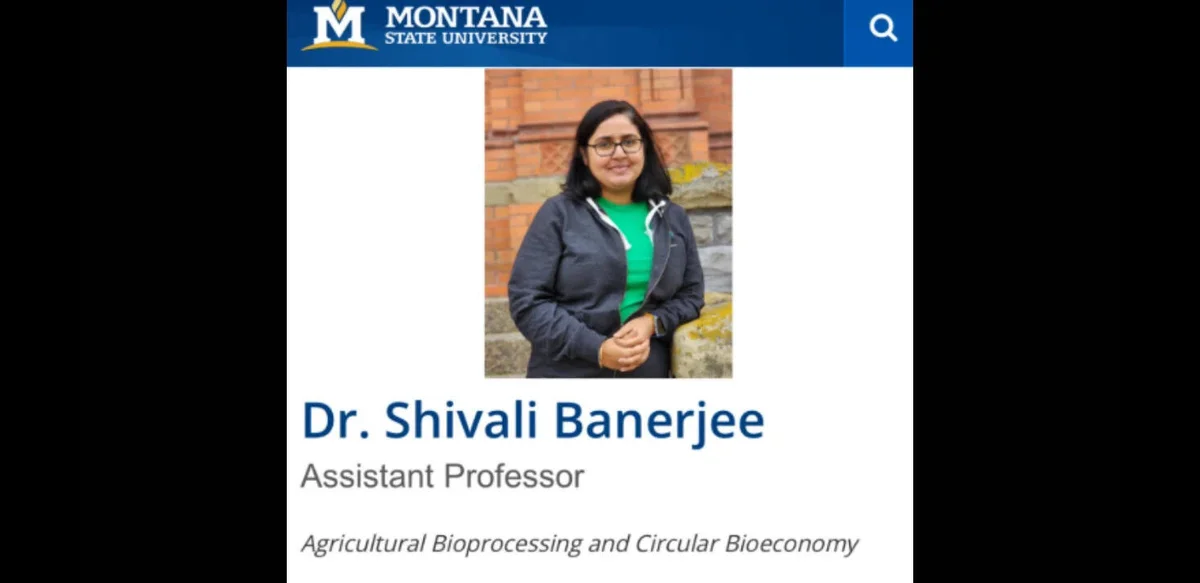
Recent discussions have emerged regarding the presence of Indian-origin professors at Montana State University. Some political commentators associated with conservative viewpoints have raised concerns about the hiring of these educators in various departments. Critics argue that the appointments reflect broader trends in academic staffing that prioritize international talent over domestic candidates.
University officials have responded by highlighting the rigorous selection process used for all faculty positions. The professors in question hold advanced degrees from reputable institutions and have published extensively in their fields. Their contributions include research in areas such as engineering, computer science, and environmental studies, which align with the university’s strategic priorities.
Supporters of the faculty members point to their achievements as evidence of high qualifications. Several have received grants from national agencies and collaborate on projects that benefit both the local community and wider scientific communities. Data from the university indicates that these individuals were selected based on merit, with competitive recruitment processes that included multiple candidates.
The situation has drawn attention to the role of international scholars in American higher education. Montana State University, like many institutions across the country, seeks to attract top researchers to enhance its programs. Indian academics represent a significant portion of the global talent pool in science and technology disciplines.
Community reactions have varied. Some local residents express support for diversity in the classroom, noting that exposure to different perspectives enriches student learning. Others share the concerns voiced by critics, emphasizing the need to support American-born educators in securing positions.
University leadership maintains that hiring decisions remain focused on expertise and fit for specific roles. They have issued statements underscoring commitment to equal opportunity while complying with all relevant employment regulations. No formal complaints or investigations have been reported in connection with these particular appointments.
This episode reflects ongoing national conversations about immigration, education policy, and workforce development. Indian professionals have long contributed to American academia, with many serving in leadership roles at universities nationwide. Their presence often stems from established immigration pathways designed to fill specialized positions.
Analysts suggest that such debates may influence future recruitment strategies at public universities. Institutions in rural states like Montana face unique challenges in attracting and retaining faculty, regardless of background. Competitive salaries, research funding, and quality of life all factor into decisions by prospective hires.
Students at the university have generally praised the affected professors for their teaching effectiveness. Course evaluations and feedback indicate strong performance in delivering complex material and mentoring research projects. These outcomes support the administration’s emphasis on academic excellence as the primary criterion.
Broader context includes the growth of the Indian diaspora in the United States, particularly in professional sectors. Many arrive through student visas or employment-based categories, eventually contributing to innovation and economic activity. Montana has seen modest increases in such populations over recent years, though numbers remain small compared to coastal states.
Observers note that political rhetoric can amplify isolated incidents into larger narratives. In this case, the focus on specific nationalities has prompted calls for more transparent hiring data from the university. Officials have indicated willingness to share aggregate statistics while protecting individual privacy.
The discussion continues without resolution, as stakeholders on multiple sides articulate their positions. Montana State University plans to proceed with its academic mission, emphasizing research output and student success metrics. Future faculty searches will likely incorporate lessons from this period of scrutiny.
Overall, the episode underscores the intersection of education, politics, and demographics in contemporary America. Qualified individuals from India and elsewhere continue to participate in the country’s academic landscape, subject to standard professional standards and public discourse.


