

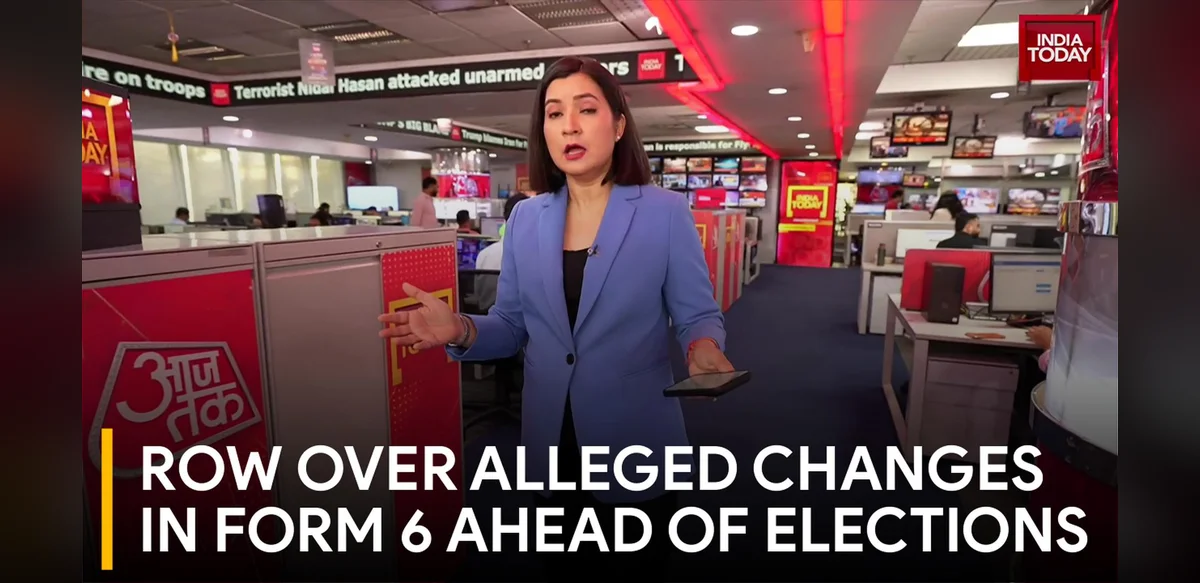
A controversy has emerged regarding proposed changes to Form 6, the document used for voter registration in India. Reports indicate that modifications to the form were under consideration ahead of upcoming electoral processes, prompting concerns from opposition groups and civil society organizations about potential impacts on voter accessibility.
The Election Commission has issued a detailed rebuttal, stating that no substantive alterations have been finalized and that any discussions were aimed at improving administrative efficiency. Officials emphasized that the core purpose of the form remains unchanged and that safeguards are in place to protect the integrity of the electoral rolls.
The matter has now reached the Supreme Court, where petitions have been filed seeking clarification on the scope and intent of the proposed modifications. The court is expected to examine whether the changes comply with existing constitutional provisions related to free and fair elections.
Legal experts note that Form 6 plays a critical role in the inclusion of eligible citizens in the voter list. Any revision to its format or requirements could affect millions of prospective voters, particularly first-time registrants and those in remote areas.
During preliminary hearings, the Supreme Court has sought responses from the Election Commission and relevant government departments. The bench has indicated that it will review the procedural aspects to ensure transparency and adherence to due process.
Opposition parties have raised questions about the timing of the discussions, arguing that alterations close to election periods may create confusion among voters. They have called for greater consultation with stakeholders before any final decisions are implemented.
The Election Commission maintains that its actions are guided by the need to streamline processes and reduce errors in voter data. It has pointed to previous instances where minor updates to forms helped improve accuracy without restricting access.
Public health and education advocates have also expressed interest in the outcome, as accurate voter rolls influence policy decisions in those sectors. The ongoing scrutiny underscores the importance of maintaining public trust in electoral mechanisms.
As the case progresses, observers expect further arguments on the balance between administrative reforms and the fundamental right to vote. The Supreme Court’s eventual ruling could set precedents for future modifications to electoral documentation.
The issue continues to draw attention from legal circles and political analysts, who are monitoring developments for signs of broader implications on the electoral framework. Both the Election Commission and petitioners have been directed to submit detailed affidavits outlining their positions.
This episode highlights the dynamic nature of electoral administration in a large democracy, where judicial oversight serves as a key check on institutional actions. The proceedings are likely to continue over the coming weeks, with additional hearings scheduled to address specific concerns raised in the petitions.


