

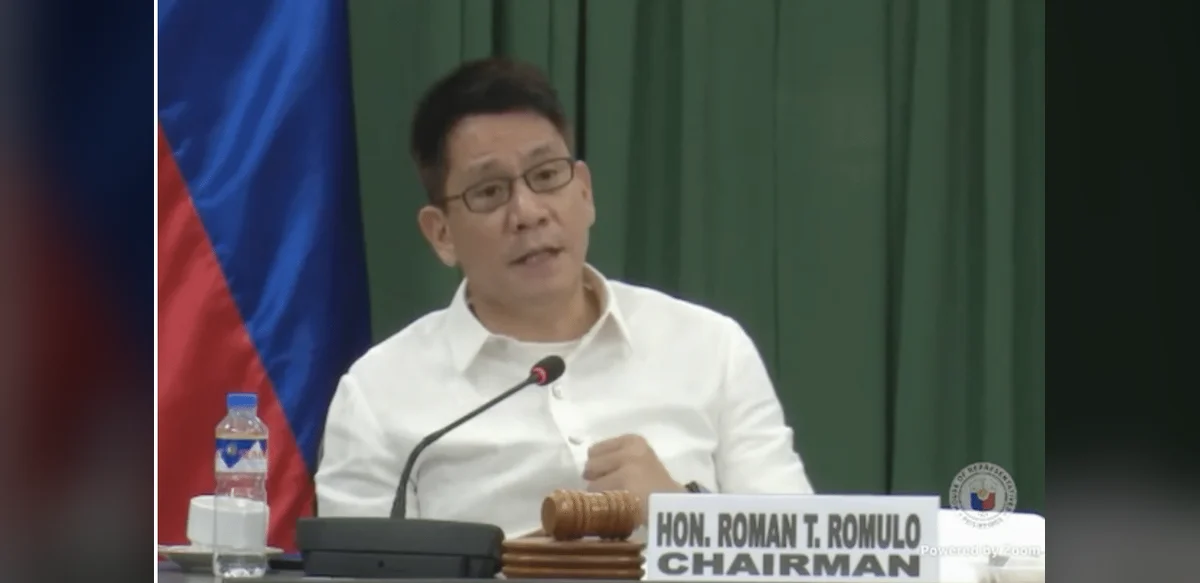
The lower chamber of Congress approved on second reading a proposed measure that would prevent individuals aged thirteen and under from establishing accounts on social media platforms. The action took place during a session on Tuesday and marks an important step in the legislative process before the bill can advance further.
Lawmakers discussed the provisions aimed at limiting early exposure to online networks. The proposal seeks to address concerns about the influence of digital spaces on minors by setting a clear age threshold for account creation. Supporters highlighted the need for safeguards that protect younger users from potential risks associated with unrestricted access.
The bill now moves toward additional readings and possible amendments. If enacted, it would require platforms to implement verification mechanisms to enforce the age restriction. Officials noted that the measure aligns with broader efforts to regulate online activities involving children.
During the proceedings, representatives emphasized the importance of balancing technological benefits with child welfare considerations. The discussion focused on practical implementation and the role of parents and guardians in monitoring digital engagement. No specific enforcement details were finalized at this stage.
The legislative development reflects ongoing debates about digital safety standards. Proponents argue that such rules can reduce instances of inappropriate content exposure and promote healthier online habits from an early age. Critics, however, have raised questions about enforcement challenges and the impact on free expression.
Further committee reviews are expected to refine the language of the proposal. Stakeholders from various sectors may be consulted to ensure the final version addresses technical and social aspects effectively. The process underscores the complexities involved in crafting regulations for rapidly evolving technologies.
Public awareness campaigns could accompany the implementation if the bill becomes law. Educational initiatives might help families understand the new requirements and available resources for safe internet use. The measure represents one component of a larger framework for child protection in the digital era.
Observers note that similar policies have been considered in other jurisdictions, providing comparative insights for local lawmakers. The second reading approval signals momentum for the initiative while leaving room for adjustments based on feedback. Continued deliberation will determine the ultimate scope and application of the restrictions.
Overall, the House action highlights legislative attention to youth digital safety. The bill’s progress will be monitored as it advances through remaining stages toward potential enactment.


