

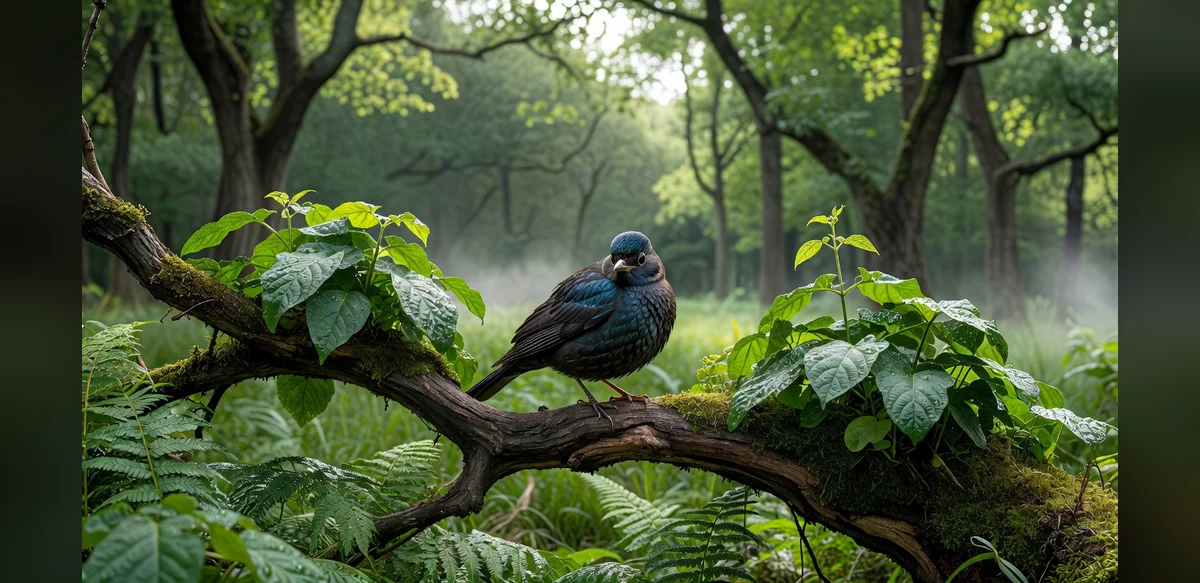
The black robin has achieved an extraordinary turnaround from the edge of extinction. Once reduced to just five individuals, the species has rebounded strongly enough to be named New Zealand’s Bird of the Year. This outcome highlights the effectiveness of sustained conservation measures applied over several decades.
Early efforts focused on protecting the remaining birds and carefully managing their breeding. Isolated on remote islands, the population faced threats from introduced predators and limited genetic diversity. Conservation teams monitored nesting sites closely and intervened when necessary to ensure chick survival. These actions gradually increased numbers while maintaining the health of the group.
Over time the population expanded beyond the initial handful of survivors. Habitat restoration played a key role, providing safer nesting areas and reliable food sources. The birds adapted to the protected environment, and breeding success improved year after year. Today the species occupies several sites where it was once absent.
Public interest has grown alongside the population recovery. The annual Bird of the Year vote allows citizens to recognize species that have shown notable progress or hold special ecological value. This year’s result reflects widespread appreciation for the black robin’s story of persistence.
The recognition also draws attention to ongoing needs. Although numbers have risen, the species remains vulnerable to changes in its environment. Continued monitoring, predator control, and habitat management are required to secure long-term stability. Experts emphasize that conservation is an active process rather than a completed task.
Similar recovery programs in other regions have demonstrated that small populations can rebound when given appropriate support. The black robin serves as one example of how targeted interventions can reverse decline. Its current status offers encouragement for comparable efforts involving other threatened birds.
Community involvement has contributed to the positive outcome. Local groups participate in habitat maintenance and reporting of sightings. Educational outreach helps residents understand the importance of preserving native species and the ecosystems they inhabit. Such engagement strengthens the overall conservation framework.
The black robin’s journey from five birds to national recognition illustrates the impact of consistent, science-based action. While challenges remain, the progress achieved so far provides a foundation for future stability. The Bird of the Year title brings visibility that may support continued protection measures.
Observers note that the species now occupies a more secure position than at any point in recent decades. Regular surveys track population trends and inform adjustments to management plans. This adaptive approach helps address emerging issues promptly.
In summary, the black robin’s recovery stands as a measured success within New Zealand’s broader biodiversity efforts. The award acknowledges both past achievements and the necessity of sustained commitment. As the population continues to grow, attention remains on maintaining the conditions that made this rebound possible.


