

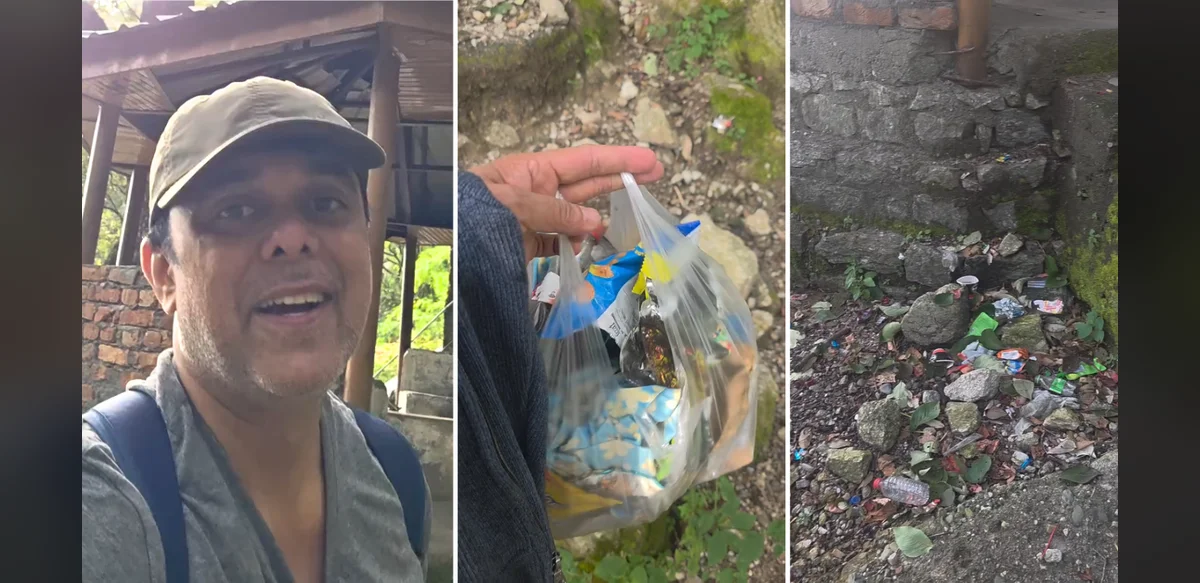
An Indian actor recently shared details of a visit to a popular natural site in Himachal Pradesh, drawing attention to the ongoing challenge of waste left behind by visitors. During a journey to the Tattapani hot springs, the individual joined members of a local paragliding school for an outing that combined enjoyment of the landscape with a practical effort to address visible pollution.
The group spent time gathering discarded items along the path leading to the springs. This hands-on approach highlighted how small collective actions can help maintain the appeal of such locations. The actor later posted images and comments on social media, expressing disappointment at the amount of waste encountered and suggesting that local authorities consider more rigorous enforcement of existing regulations.
Tattapani, known for its thermal waters, attracts numerous domestic and international travelers each year. The area offers scenic views and opportunities for outdoor activities, yet reports of litter have increased alongside rising visitor numbers. The actor noted that such behavior detracts from the natural setting and places additional burden on local resources responsible for upkeep.
In the post, emphasis was placed on the need for visitors to take greater personal responsibility. The message also called on the state government to introduce clearer guidelines and penalties where necessary, aiming to preserve the site for future generations. Observers have pointed out that similar concerns have surfaced at other tourist destinations across the region, where seasonal crowds often leave behind plastic bottles, food wrappers, and other refuse.
The actor’s account described the outing as both rewarding and sobering. While the team appreciated the chance to experience the hot springs, the presence of accumulated waste served as a reminder of broader environmental pressures. The post encouraged followers to reflect on their own habits when traveling and to support initiatives that promote responsible tourism.
Local tourism operators have welcomed such public discussions, noting that sustained cleanliness contributes directly to the long-term viability of attractions like Tattapani. They suggest that educational campaigns combined with improved waste collection infrastructure could reduce the problem without restricting access. The actor’s intervention adds to ongoing conversations about balancing economic benefits from tourism with the protection of natural assets.
Himachal Pradesh officials have previously outlined plans to enhance monitoring at high-traffic spots. These include additional signage, more frequent patrols, and partnerships with community groups for regular clean-up drives. Whether the recent social media attention will accelerate these measures remains to be seen, but it has succeeded in spotlighting an issue that affects both residents and visitors.
The incident underscores a common tension in popular natural areas: the desire to enjoy pristine environments versus the reality of managing human impact. By choosing to document both the beauty of the location and the litter found there, the actor provided a balanced view that resonates with many who value outdoor spaces. The call for stricter measures reflects a wider sentiment that collective accountability, supported by policy, offers the most effective path forward.
Travelers planning trips to similar sites are reminded that simple practices, such as carrying out all waste and using designated bins, can make a measurable difference. The actor’s experience serves as an example of how public figures can use their platforms to advocate for environmental care without assigning blame to any single group. Continued dialogue between citizens, businesses, and government bodies will likely determine whether sites like the Tattapani hot springs remain inviting for years to come.


