

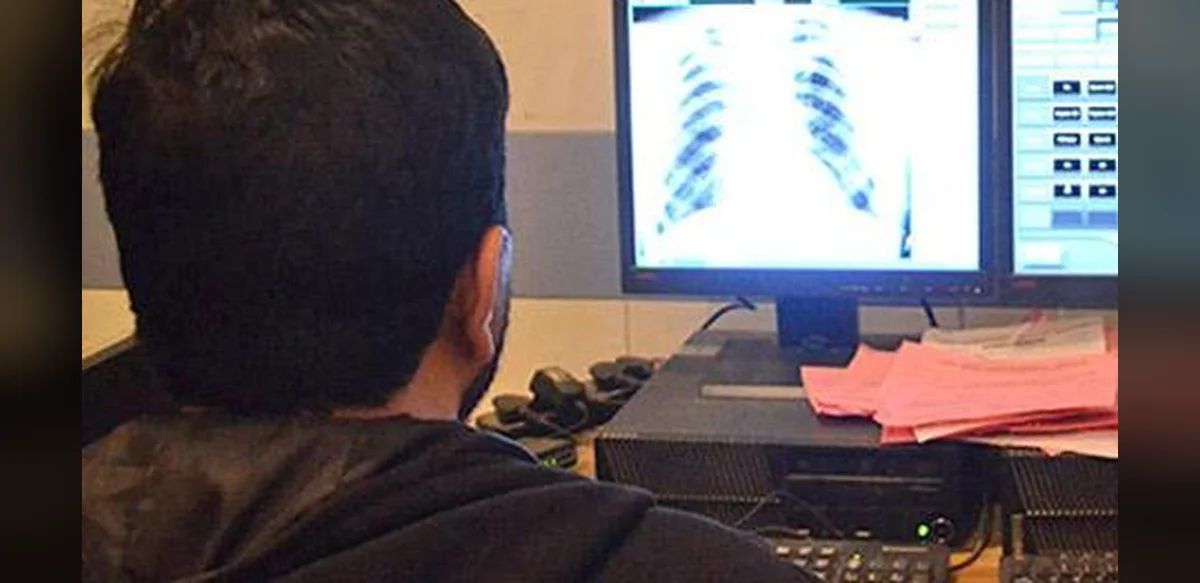
A recent investigation conducted by researchers at the International Institute of Information Technology in Hyderabad has highlighted important limitations when using artificial intelligence systems for interpreting medical images. The work focuses on vision language models applied to chest X rays and points out notable differences between the areas these models emphasize and those identified by trained radiologists.
Medical experts have long explored ways to integrate computational tools into diagnostic workflows. The Hyderabad study adds to this discussion by showing that current AI approaches may not always align with human expert judgment in identifying key regions of interest. Such misalignment could affect the reliability of conclusions drawn solely from automated outputs.
The researchers examined several vision language models designed to process both visual data from X ray images and accompanying textual descriptions. They compared the highlighted zones produced by these systems against annotations made by experienced radiologists. Discrepancies appeared consistently across multiple test cases, suggesting that the models sometimes focus on areas that do not correspond to clinically significant findings.
Health professionals are advised to view AI generated insights as supplementary rather than definitive. The study emphasizes that final diagnostic decisions should remain with qualified physicians who can integrate multiple sources of information including patient history physical examinations and additional tests. Over reliance on any single technology carries risks that could influence patient care outcomes.
Chest X rays remain one of the most common imaging procedures worldwide. They help detect conditions such as pneumonia lung infections and certain cardiac abnormalities. Accurate interpretation requires both technical skill and contextual understanding. The observed differences between model outputs and expert readings underscore the need for continued refinement of AI tools before broader deployment in critical settings.
The team behind the research recommends further development of hybrid systems that combine algorithmic pattern recognition with human oversight. Such approaches could improve consistency while preserving the nuanced judgment that experienced clinicians bring to complex cases. Ongoing evaluation and validation against real world clinical data will be essential.
Institutions involved in medical training may also consider incorporating modules that address the strengths and weaknesses of current AI technologies. Preparing future doctors to work alongside these tools responsibly could help maximize benefits while minimizing potential drawbacks.
Public health discussions increasingly touch on the role of technology in expanding access to quality care. Findings like those from Hyderabad contribute to a balanced perspective that acknowledges both opportunities and constraints. Policymakers and hospital administrators are encouraged to review such evidence when planning technology adoption strategies.
Further studies are expected to explore similar questions across other imaging modalities and medical specialties. Comparative analyses involving larger datasets and diverse patient populations could provide additional clarity on where AI performs reliably and where caution remains warranted.
The overall message from the investigation is one of measured optimism. Artificial intelligence holds promise for supporting diagnostic processes but should not replace the expertise of medical professionals. Continued collaboration between technologists and clinicians will likely shape the most effective path forward.


