

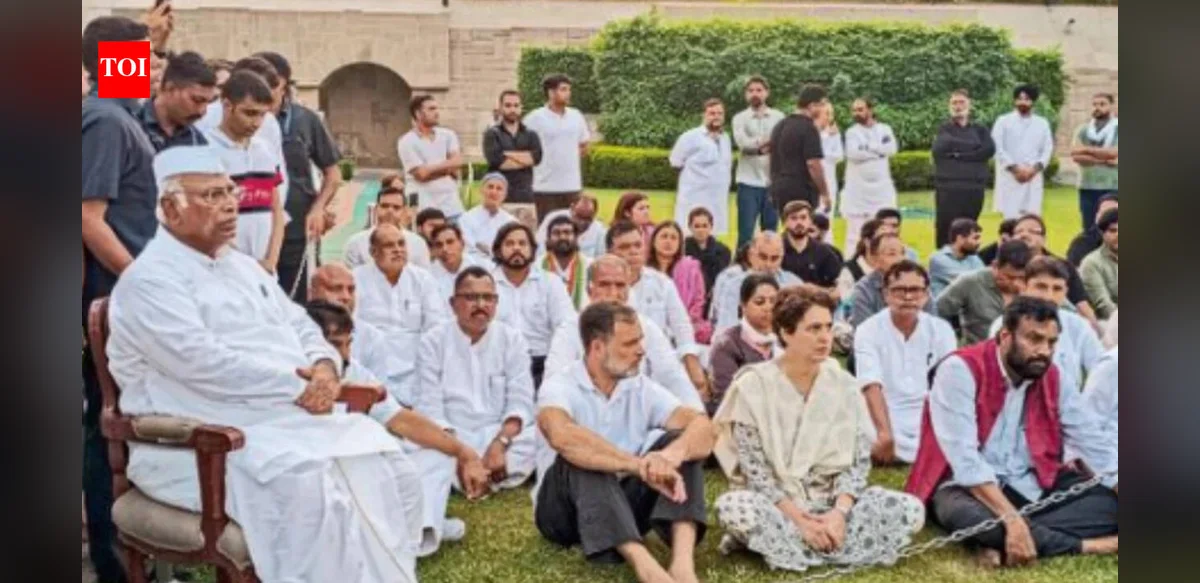
The head of state has consented to hold discussions with representatives from an opposition alliance later this evening. The meeting is scheduled to begin at eight o’clock on Friday. This development follows a formal request submitted by the group seeking to raise issues connected to the functioning of the national election authority.
Sources close to the matter indicated that the appointment was confirmed after the alliance expressed its desire to convey specific apprehensions. The interaction is expected to provide an opportunity for direct communication between the constitutional office and the political grouping.
Such meetings between the highest office and parliamentary alliances are part of established democratic practices. They allow for the exchange of views on institutional matters that affect the broader electoral framework. Observers note that these engagements help maintain channels of dialogue even when political differences exist.
The opposition alliance in question comprises multiple parties that have come together under a common platform. Their collective approach often involves coordinated efforts on issues they consider significant for the democratic process. In this instance the focus centers on the operations and oversight mechanisms of the election body.
The election authority itself operates as an independent constitutional institution responsible for conducting free and fair polls across the country. Its role includes managing voter lists, overseeing polling procedures and ensuring compliance with electoral laws. Concerns raised by political actors regarding its functioning are not uncommon in the lead up to or following major voting exercises.
Friday evening’s discussion is anticipated to be attended by a select delegation rather than the full membership of the alliance. This format allows for focused conversation within the limited time available. The precise agenda items have not been publicly detailed but are understood to revolve around the points outlined in the original request letter.
Media reports citing unnamed sources have highlighted the timing of the meeting as noteworthy. Evening hours are sometimes chosen to accommodate busy schedules of both the office holder and visiting leaders. The confirmation of the appointment itself signals willingness on the part of the constitutional authority to listen to the concerns presented.
Political analysts suggest that such interactions can contribute to greater transparency and mutual understanding. They also underscore the importance of institutional independence while acknowledging the right of elected representatives to seek clarifications. The outcome of the meeting may influence future communications between the parties involved.
No official statement has been released yet detailing the exact topics to be covered during the session. Both sides are expected to maintain a measured approach given the sensitive nature of the subject. The public will likely receive updates through official channels once the discussions conclude.
This episode reflects ongoing engagement between the executive branch and opposition formations on matters of national importance. It also illustrates how constitutional offices serve as venues for addressing grievances that arise within the political landscape. The scheduled meeting therefore carries symbolic as well as practical significance for participants and observers alike.
Further details regarding the composition of the delegation and any follow up actions are awaited. In the meantime the confirmation of the appointment stands as the primary development in this developing story. The focus remains on the upcoming discussion and its potential implications for the relationship between the election authority and political stakeholders.


