

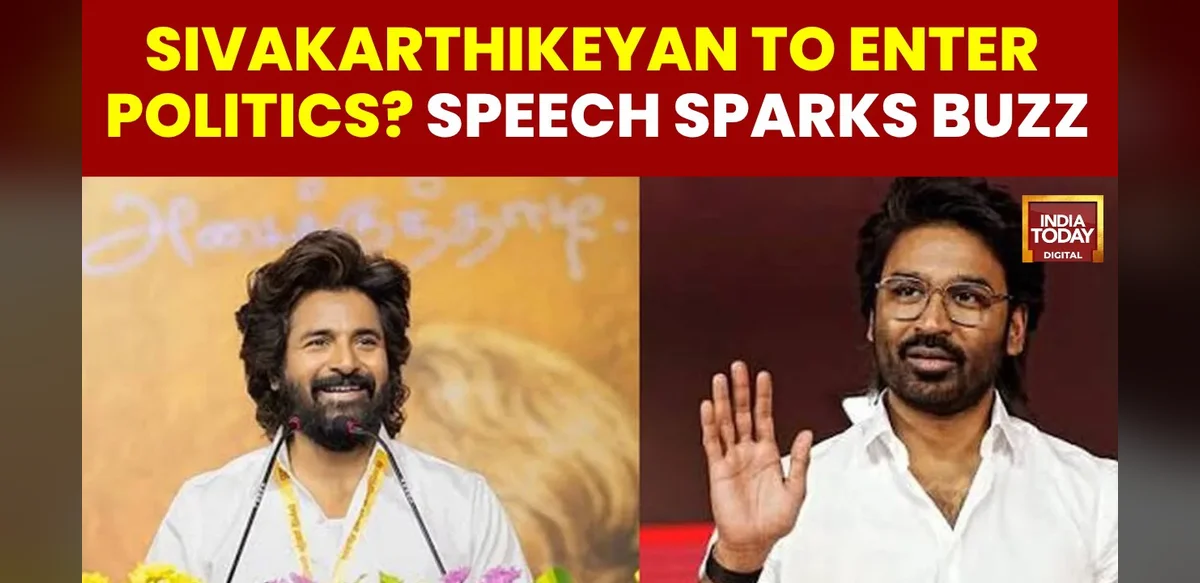
Recent remarks delivered at a gathering organized by supporters of a well-known film actor have triggered widespread discussion regarding possible involvement in state politics. The address, held in Chennai, drew attention from local media and political observers who noted the enthusiastic response from attendees.
The event featured speeches that touched on social issues and community welfare, themes often associated with public service. While no direct announcement was made about contesting elections, the tone and content led many to interpret the occasion as a signal of broader intentions. Analysts pointed out that similar platforms have been used in the past by other figures transitioning from entertainment to governance.
Tamil Nadu has a history of actors entering the political arena, with several achieving significant success at the ballot box. This latest development comes at a time when the state prepares for upcoming electoral cycles, making any high-profile name a subject of intense scrutiny. Party workers from various groups have begun assessing how such an entry might influence voter preferences in key constituencies.
Local residents interviewed after the event expressed mixed reactions. Some viewed the address as a positive step toward greater youth engagement in civic matters, while others cautioned against premature assumptions. Political commentators emphasized that fan clubs frequently serve as mobilization networks, providing ready infrastructure for campaign activities if needed.
The actor in question has maintained a busy schedule in cinema, balancing multiple projects with occasional public appearances. Supporters described the recent speech as an organic extension of ongoing charitable initiatives rather than a calculated political move. Nevertheless, the buzz has prompted renewed interest in how entertainment personalities shape public discourse in the region.
Media outlets across the state have carried extensive coverage, with editorials debating the merits of celebrity participation in elections. Critics argue that such transitions can sometimes prioritize popularity over policy expertise, whereas proponents highlight the ability of recognizable figures to draw attention to pressing concerns like education and employment.
No official statement has been issued by major political formations regarding potential alliances or opposition. Observers note that the coming weeks will clarify whether the address represents an isolated occurrence or the beginning of a sustained outreach effort. In the meantime, social media platforms have seen a surge in related conversations, with hashtags trending for several days.
The episode underscores the fluid boundary between popular culture and governance in Tamil Nadu. As the state continues to navigate economic and social challenges, any new entrant into the political landscape is likely to face both opportunities and obstacles. Further developments are expected as more details emerge from the actor’s camp and reactions from established leaders unfold.


