

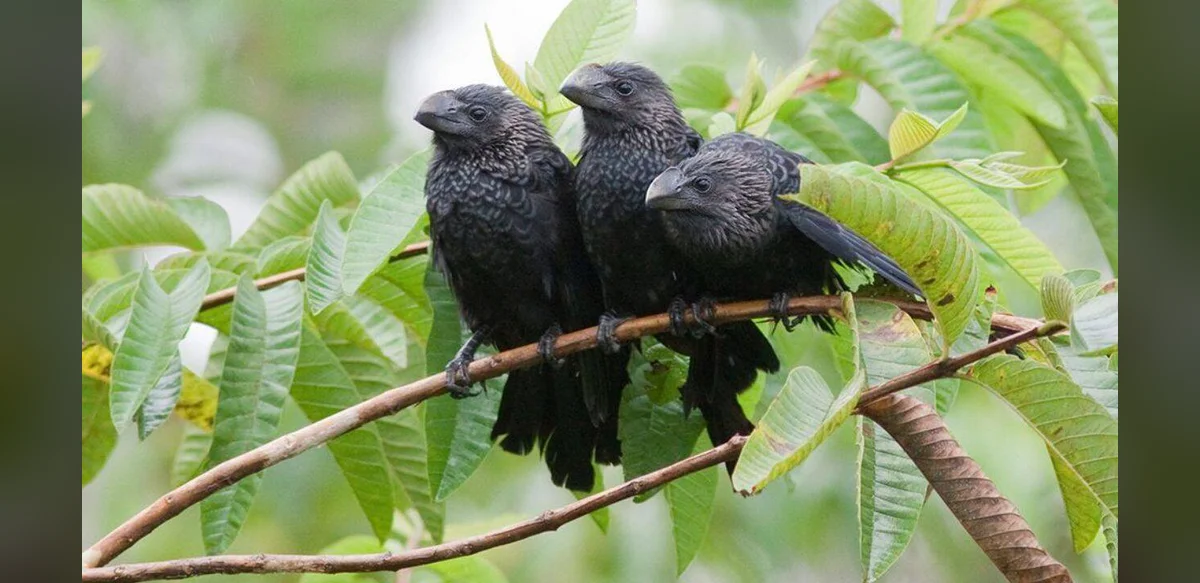
In the early twentieth century farmers on the South American mainland sought practical ways to manage tick infestations that plagued their livestock. They turned to a particular bird species known for its appetite for insects and parasites. The introduction proved effective on pastures where cattle grazed and reduced the need for chemical treatments at the time.
Over subsequent decades the same bird found its way to the Galapagos archipelago. Scientists link the wider dispersal to strong El Nino events that altered ocean currents and weather patterns. These climatic shifts created temporary conditions that allowed the species to cross open water and establish populations on multiple islands.
Local ecosystems responded in varied ways. On some islands the bird helped limit certain insect populations yet also competed with native species for nesting sites and food resources. Researchers continue to monitor population trends and interactions with endemic wildlife to understand long term consequences.
El Nino episodes occur irregularly but can intensify rainfall and temperature anomalies across the eastern Pacific. During major events increased moisture and wind patterns appear to have facilitated the bird’s movement between islands that are normally isolated by arid conditions. Data collected over several decades support this connection between climate variability and species range expansion.
Conservation groups now work with local authorities to track the bird’s impact on biodiversity. Studies focus on breeding success rates of native birds and changes in insect communities. Findings suggest that while the introduced species provides some natural pest control its presence requires careful management to protect vulnerable island habitats.
Farmers on the mainland continue to value the bird for its role in tick reduction. Similar benefits have been observed in parts of the Galapagos where livestock are raised. However authorities emphasize that future introductions must undergo thorough environmental assessments to avoid unintended ecological disruptions.
Ongoing research combines field observations with climate modeling. Experts aim to predict how future El Nino patterns might influence further spread or contraction of the bird’s range. Such projections help guide conservation strategies and agricultural practices in sensitive regions.
Public awareness campaigns highlight the historical context of the introduction and the influence of climate phenomena. Educational materials explain the balance between beneficial pest control and the need to preserve unique island ecosystems. Community involvement supports monitoring efforts and promotes sustainable approaches to land management.
The story illustrates how human actions and natural climate cycles can interact to shape species distributions. Continued observation remains essential to maintain ecological balance while supporting agricultural needs in both mainland and island settings.


