


Efforts to manage invasive plant species in the San Francisco Bay have produced measurable results for local wildlife. Nearly 98 percent of the nonnative cordgrass has been removed from targeted areas. This reduction has allowed the return of suitable conditions for the endangered Ridgway’s rail, a bird that depends on marsh environments for nesting and foraging.
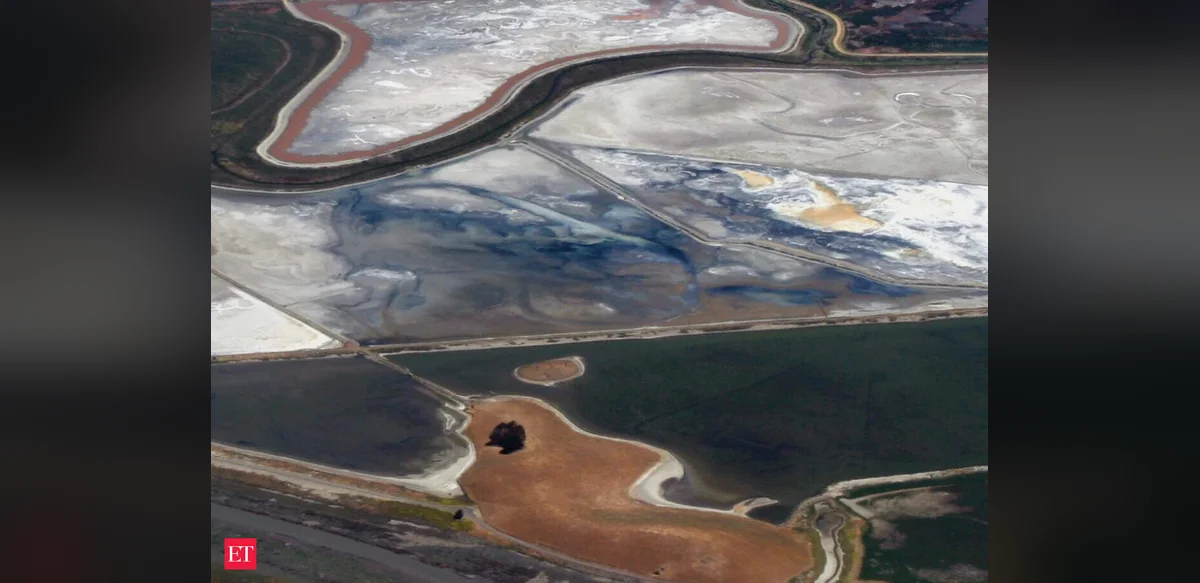
The project focused on several sites where the invasive grass had spread and altered the natural structure of the wetlands. Once the cordgrass was cleared, native vegetation began to reestablish itself. As a result, four former salt ponds that had been converted back to marshland now support increased rail activity. Observers noted that the birds have moved into these restored zones in greater numbers than before the removal work.
Restoration of tidal marsh habitat requires careful timing and repeated follow-up treatments to prevent regrowth of the invasive species. Teams monitored water flow, soil salinity, and plant composition throughout the process. These steps helped ensure that the cleared areas transitioned smoothly to conditions favorable for native plants and the rail population.
The Ridgway’s rail is listed as endangered under federal protections. Its survival depends on dense stands of native marsh plants that provide cover from predators and suitable locations for breeding. The recent habitat gains represent a step toward stabilizing the local population, though continued management will be necessary to maintain the progress.
Project leaders emphasized that large-scale removal of invasive cordgrass involves coordination among multiple agencies and consistent funding. The work combined mechanical cutting, herbicide application in limited zones, and ongoing surveys to track both plant recovery and bird response. Data collected over several seasons showed the 98 percent reduction and the subsequent use of the four restored ponds by the rails.
Community involvement played a supporting role through volunteer monitoring and public education about the importance of wetland preservation. Residents near the bay were informed about the ecological benefits of the restoration and the reasons for restricting access to certain sensitive areas during active treatment periods.
Long-term success will depend on preventing new introductions of invasive species and adapting management practices as conditions change. The current results demonstrate that substantial removal of cordgrass can create opportunities for endangered species to reoccupy previously unsuitable locations. Further monitoring will document whether rail numbers continue to rise and whether additional former salt ponds can be brought into similar restored states.
The overall effort illustrates the connection between invasive species control and habitat recovery in urbanized estuaries. By focusing on measurable targets such as the 98 percent reduction, managers were able to link specific actions to observable wildlife responses. The expansion of rails into the four restored ponds provides a concrete example of how such linkages operate in practice.
Additional sites around the bay are now under consideration for similar treatment. Lessons from the completed work, including the sequence of removal, monitoring, and habitat assessment, are expected to guide future phases. The goal remains the same: to reduce invasive cover to levels that allow native marsh communities and dependent species to persist without intensive ongoing intervention.
In summary, the documented decline in invasive cordgrass and the corresponding increase in rail presence within restored marsh areas mark a clear outcome of sustained management. The four former salt ponds serve as visible evidence that targeted restoration can reverse some effects of habitat degradation when invasive pressures are brought under control.


