


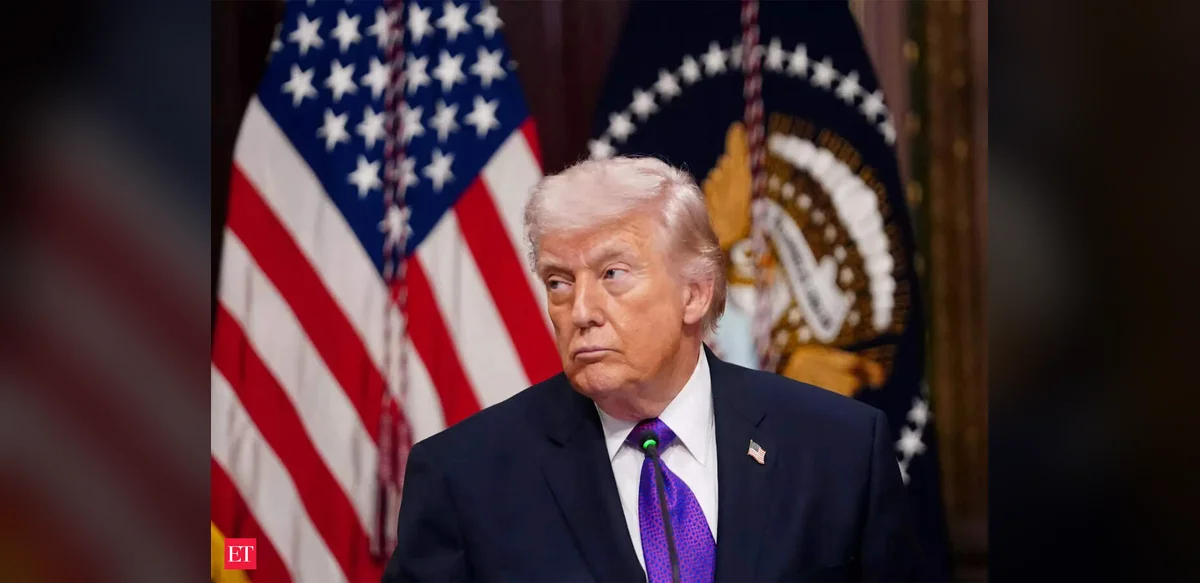
US President Donald Trump has waived sanctions on Russia that Congress had passed with strong bipartisan support in response to Moscow’s actions regarding Ukraine. The move has prompted sharp reactions from lawmakers who viewed the measures as essential to holding Russia accountable. Critics argue that the decision signals a softer stance toward Russian leadership and could undermine efforts to address ongoing regional tensions.
Lawmakers from both parties voiced frustration following the announcement. They highlighted the broad consensus that existed when the sanctions legislation was approved, noting that it reflected widespread concern over Russia’s role in supporting Ukraine amid prolonged conflict. Several members of Congress described the waiver as unexpected and inconsistent with the legislative intent behind the original bill.
The sanctions in question were designed to impose economic pressure on Russian entities and individuals. They targeted areas such as energy exports, financial transactions, and defense cooperation. Proponents of the measures believed they would limit Russia’s capacity to sustain its involvement in Ukraine, particularly as winter conditions intensify and place additional strain on civilian infrastructure.
Ukraine continues to experience significant challenges due to the conflict, including disruptions to energy supplies and transportation networks. Reports indicate that many regions are preparing for harsh weather with limited resources, raising humanitarian concerns among international observers. The waived sanctions were seen by some analysts as one tool among several aimed at influencing the situation.
Despite the outcry, immediate legislative countermeasures appear unlikely in the short term. Congressional schedules, competing priorities, and the need for broad agreement on any new proposals have slowed momentum for a rapid response. Some lawmakers have indicated they may pursue hearings or additional oversight rather than new sanctions legislation at this stage.
Administration officials have defended the waiver by pointing to diplomatic channels and ongoing discussions with international partners. They suggest that flexibility in enforcement allows for calibrated approaches that balance pressure with opportunities for dialogue. This perspective has not satisfied critics who maintain that the original sanctions reflected a deliberate policy choice by the legislative branch.
The episode underscores ongoing tensions between the executive and legislative branches over foreign policy authority. Congress has historically played a significant role in shaping sanctions regimes, particularly when dealing with issues involving Russia and Ukraine. The current disagreement highlights differing views on the most effective strategies for addressing complex international disputes.
Market participants have monitored the developments closely, given the potential implications for energy prices and global trade flows. While direct economic effects from the waiver remain limited so far, uncertainty persists regarding future policy adjustments. Analysts note that any escalation in tensions could influence investor sentiment across multiple sectors.
International reactions have been measured, with allied governments emphasizing the importance of coordinated approaches. Some European officials have expressed interest in maintaining unified positions on Russia-related matters, even as domestic political dynamics in the United States evolve. The situation continues to be watched by diplomats and policy experts seeking to understand longer-term trajectories.
As winter progresses in Ukraine, attention remains focused on humanitarian needs and the broader geopolitical context. Lawmakers in Washington have signaled they will continue to scrutinize executive actions in this area, though the path to new legislative initiatives is not yet clear. The episode serves as a reminder of the challenges involved in aligning sanctions policy across branches of government.

