


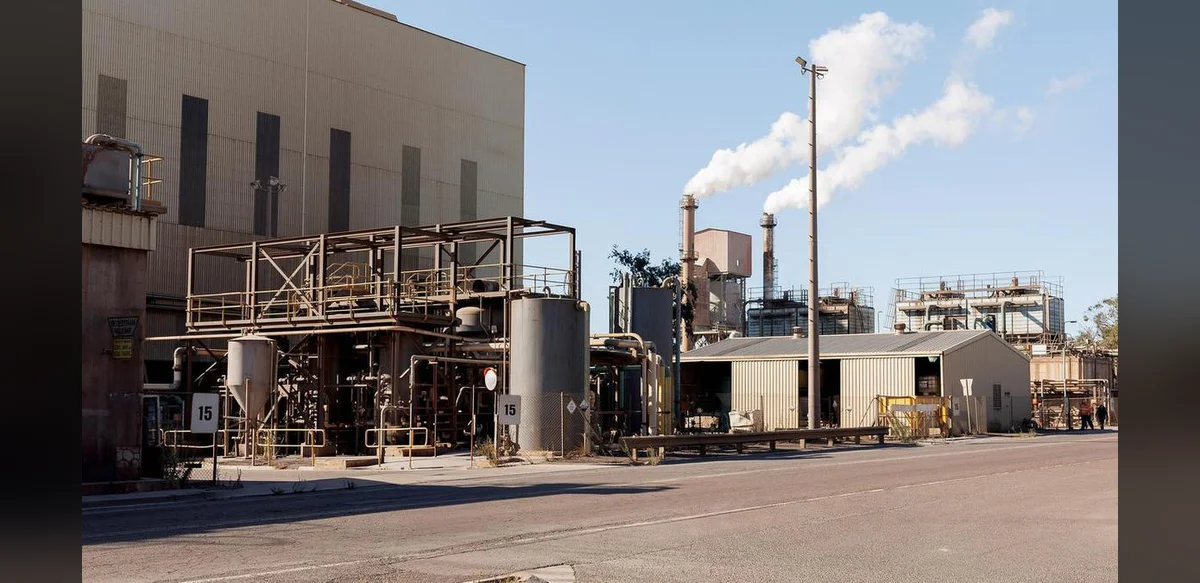
Authorities have announced that numerous positions are available for experienced personnel previously employed at a major steel production site in Whyalla. The closure of the blast furnace has affected a significant number of individuals with specialized skills in the sector. Reports indicate that approximately six hundred roles spanning various fields are currently open, providing alternatives for those impacted by the recent changes.
The initiative aims to support the transition for workers who have dedicated years to the facility. Officials emphasize that the available positions cover multiple industries, allowing for a broad range of opportunities suited to different expertise levels. This approach seeks to minimize disruption for the local workforce following the operational adjustments at the plant.
Details shared by regional representatives highlight the focus on matching skilled individuals with suitable employment. The emphasis remains on ensuring that those affected can access information about the openings without unnecessary delays. Coordination between industry stakeholders and employment services is underway to facilitate the process efficiently.
Community leaders have noted the importance of timely communication regarding these developments. Efforts are being made to organize sessions where workers can learn more about the specific requirements and application procedures for the positions. Such measures are intended to provide clarity during a period of adjustment for many families in the area.
The overall response underscores a commitment to economic stability in the region. By connecting former employees with new prospects across diverse sectors, the plan addresses immediate concerns related to job security. Ongoing updates are expected as more information becomes available on the matching of candidates to roles.
Additional support mechanisms may include guidance on skill assessments and potential training pathways if required for certain openings. The priority continues to be the welfare of the workforce, with resources allocated to assist in navigating the available options. This structured response reflects standard practices in managing large-scale industrial transitions.
Observers point out that the scale of positions offered represents a substantial effort to absorb the displaced talent. Industries involved range from manufacturing to related technical fields, broadening the scope beyond the original operations. The process is designed to be inclusive, accommodating various backgrounds and experience levels among the applicants.
Local economic indicators suggest that such interventions can contribute to maintaining productivity levels in the community. By prioritizing the placement of skilled workers, the strategy aligns with broader goals of workforce retention. Follow-up evaluations will likely assess the effectiveness of these placements over time.
In summary, the announcement provides a pathway forward for those previously engaged in blast furnace activities. The availability of six hundred roles across industries offers concrete alternatives, aiming to prevent prolonged periods without employment. Stakeholders remain engaged in refining the implementation to meet the needs of all parties involved.

