


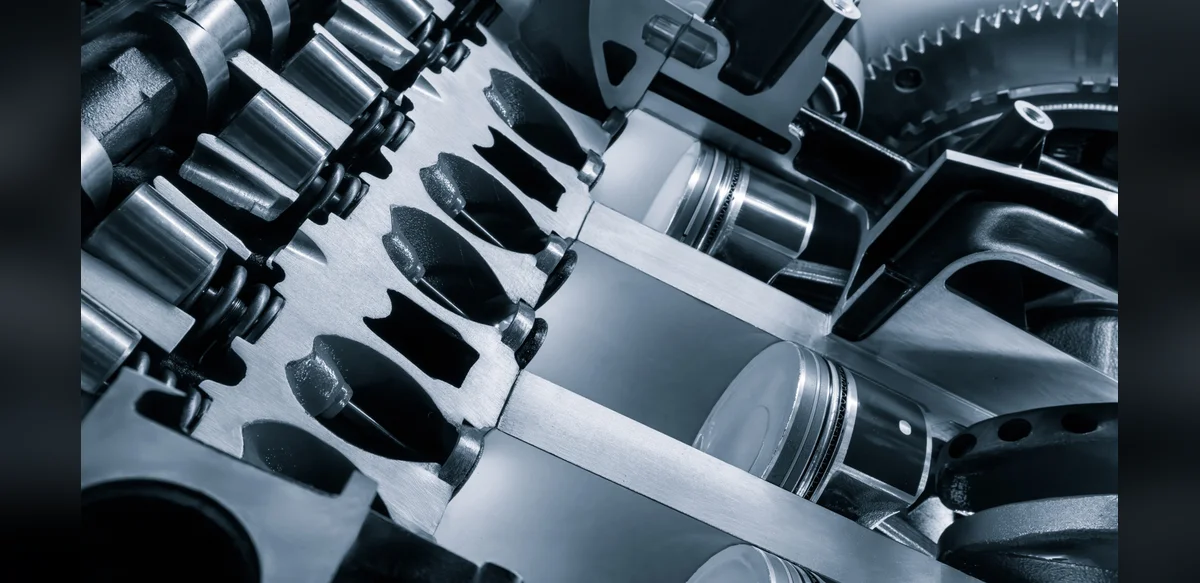
Cylinder deactivation technology has been adopted by several automakers seeking to improve fuel efficiency in internal combustion engines. The system temporarily shuts down select cylinders during light load conditions such as highway cruising. This process reduces fuel consumption without sacrificing overall performance when full power is required.
The mechanism depends on sophisticated components including hydraulic lifters and electronic solenoids. These parts must operate with precision to engage and disengage cylinders seamlessly. Proper function requires consistent oil quality and regular service intervals to prevent buildup or wear.
When maintenance is neglected the system can encounter significant issues. Solenoids may fail to respond correctly leading to uneven engine operation. Hydraulic lifters can develop leaks or sticking problems that affect valve timing. Such faults often manifest as rough idling increased vibration or warning lights on the dashboard.
Repairing these malfunctions tends to be costly because the components are integrated deeply within the engine assembly. Technicians frequently need specialized diagnostic tools to identify the exact source of the problem. Replacement parts and labor can add up quickly especially if multiple cylinders are involved.
Vehicle owners are advised to follow manufacturer guidelines for oil changes and inspections. Using the recommended viscosity and quality of lubricant helps maintain the hydraulic pressure necessary for reliable operation. Skipping services increases the likelihood of premature component degradation.
Engineers continue to refine cylinder deactivation designs to enhance durability. Newer iterations incorporate improved materials and software controls aimed at reducing stress on moving parts. Nevertheless the fundamental reliance on precise hydraulic and electronic coordination remains a point of vulnerability.
Drivers considering vehicles with this feature should weigh the potential efficiency gains against possible long term maintenance demands. Consulting service records and understanding warranty coverage can provide additional insight before purchase. Awareness of these factors supports informed decisions regarding vehicle ownership and care.
In broader terms the technology illustrates the trade offs inherent in advanced automotive engineering. While efficiency improvements benefit both consumers and the environment the added complexity introduces new avenues for mechanical complications. Ongoing research seeks to balance these aspects effectively.
Regular monitoring of engine performance remains essential for early detection of anomalies. Unusual noises or changes in fuel economy may signal developing issues within the deactivation system. Prompt attention can mitigate more extensive damage and associated expenses.
Overall cylinder deactivation represents an innovative approach to engine management yet it underscores the importance of diligent upkeep. Owners who prioritize maintenance routines are better positioned to enjoy the intended benefits while minimizing risks of severe and expensive repairs.

