


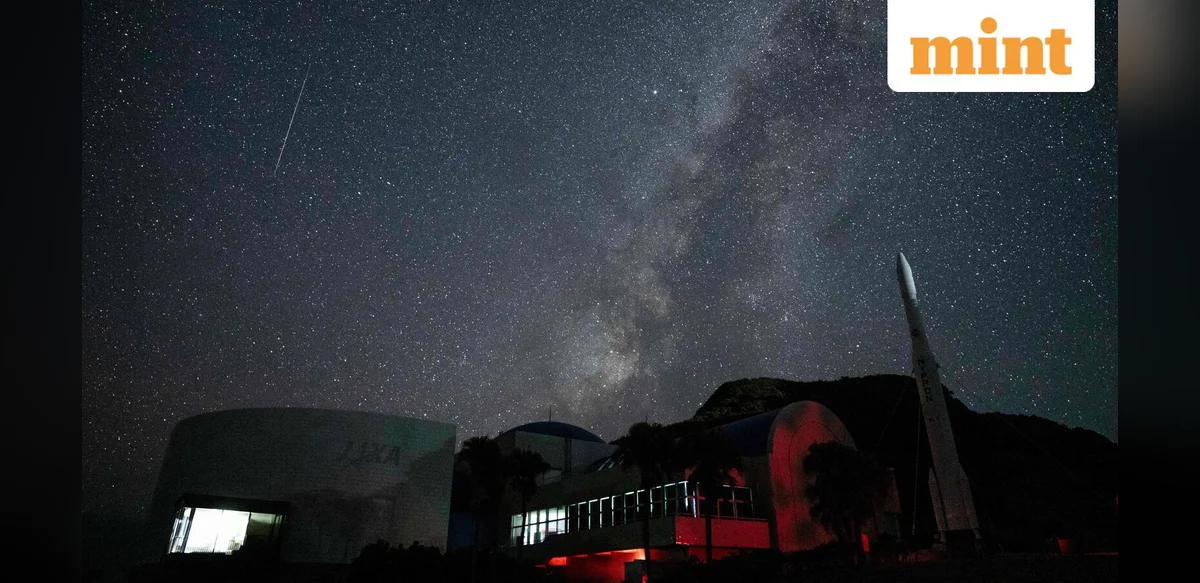
The Orionid meteor shower is set to reach its maximum activity during the nights of 21 and 22 October. Observers in India will find the most favorable conditions in the early morning hours of 22 October once the moon has set and darkness is complete. This timing allows for clearer views of the meteors as they appear to radiate from the constellation Orion.
Astronomers note that the shower originates from debris left by Halley’s Comet. As Earth passes through the comet’s orbital path each year, small particles enter the atmosphere and create brief streaks of light. The event is visible annually but varies in intensity depending on lunar phase and local weather.
For residents across the country the pre-dawn window on 22 October offers the longest period of unobstructed sky. Locations with minimal light pollution such as open fields or elevated rural sites provide better results than urban areas. Simple preparations include allowing eyes to adjust to darkness for at least twenty minutes and avoiding electronic screens.
Weather forecasts should be checked in advance because cloud cover can obscure the display entirely. Clear skies combined with the moonless period after midnight create optimal conditions. Observers are advised to lie back on a reclining chair or blanket to cover a wide section of the sky rather than focusing on one direction.
The shower typically produces between ten and twenty meteors per hour under ideal circumstances though actual counts depend on local conditions. Meteors may appear anywhere in the sky yet all trace back to the radiant point near Orion. Patience is essential as activity can occur in bursts separated by quiet intervals.
No special equipment is required for casual viewing. Binoculars or telescopes are unnecessary and may even limit the field of view. The human eye remains the best tool for detecting the quick flashes that characterize the Orionids.
Safety considerations include dressing warmly for the cool early morning temperatures and choosing a secure viewing spot away from roads or hazards. Groups can share the experience while maintaining distance from artificial lights that reduce visibility.
The event offers an accessible way for people to engage with astronomy without travel or costly gear. Schools and community organizations sometimes organize group viewings to introduce students to celestial phenomena during this period.
Compared with other annual showers the Orionids are moderate in strength yet reliable. Their timing in October places them between summer and winter displays making them a notable occurrence for sky watchers in the northern hemisphere.
Continued monitoring by professional observatories helps refine predictions for future years. Data collected from public reports also contributes to understanding variations in meteor rates and distribution.
Overall the peak nights provide a straightforward opportunity for anyone interested in natural sky events. With attention to timing and location viewers in India can enjoy the display during the specified pre-dawn hours on 22 October.

