


The Metropolitan Police have decided against launching an inquiry into a social media message connected to the spouse of a senior government official. Officials reviewed the post and concluded that it fell short of any criminal standard requiring further action.
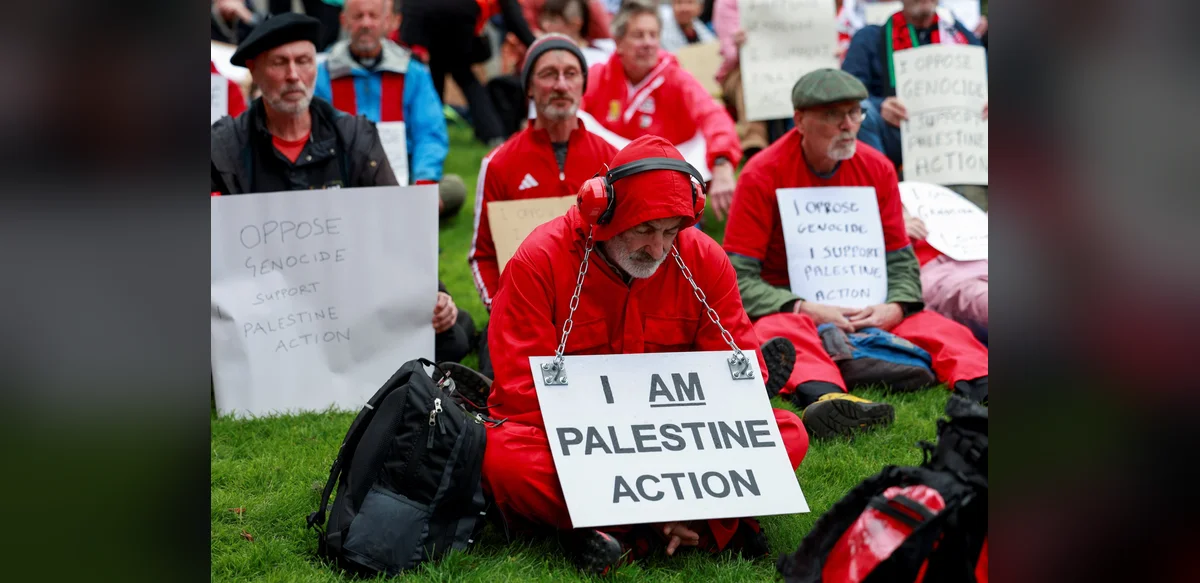
According to statements from the force, the content in question appeared on a widely used platform and was interpreted by some observers as showing support for a protest group focused on Middle East issues. After careful assessment, investigators determined that the material did not cross the line into prohibited activity under current legislation.
The decision comes amid ongoing public discussion about online expressions related to international conflicts. Authorities emphasized that each case is examined individually based on available evidence and legal criteria. In this instance, the review found insufficient grounds to proceed with formal measures.
Spokespeople for the police noted that the threshold for criminal investigation involves clear indications of intent to incite or support unlawful conduct. The post in question was deemed not to meet that standard after internal consultation with legal experts.
This outcome reflects broader guidelines used by law enforcement when handling reports of potentially sensitive online material. Officers are required to balance freedom of expression with the need to address genuine threats or violations. The process typically includes multiple layers of review before any conclusion is reached.
Public reaction to the announcement has been mixed, with some groups welcoming the clarity while others continue to debate the role of social media in political discourse. The police have reiterated their commitment to impartial application of the law regardless of the individuals involved.
The adviser in question holds a position within the Prime Minister’s office, though details about the specific role remain limited in official communications. The focus of the statement centered solely on the assessment of the post itself rather than personal circumstances.
Legal observers point out that similar cases often hinge on precise wording and context. Terms that might appear supportive in one setting can be viewed differently when examined against statutory definitions. The current ruling aligns with precedents where borderline content was not pursued further.
The Metropolitan Police continue to monitor developments in online activity related to protest movements. Resources are allocated according to assessed risk levels and available intelligence. This particular matter was closed following the initial evaluation.
Further statements from the force stressed the importance of public cooperation in reporting concerns while also respecting the boundaries of lawful speech. The episode highlights the challenges faced by authorities in navigating rapidly evolving digital communications.
Overall, the decision underscores a measured approach to enforcement in areas involving political expression. By declining to open a probe, the police have signaled that not every reported post warrants escalation. The matter is now considered resolved at this stage.

