


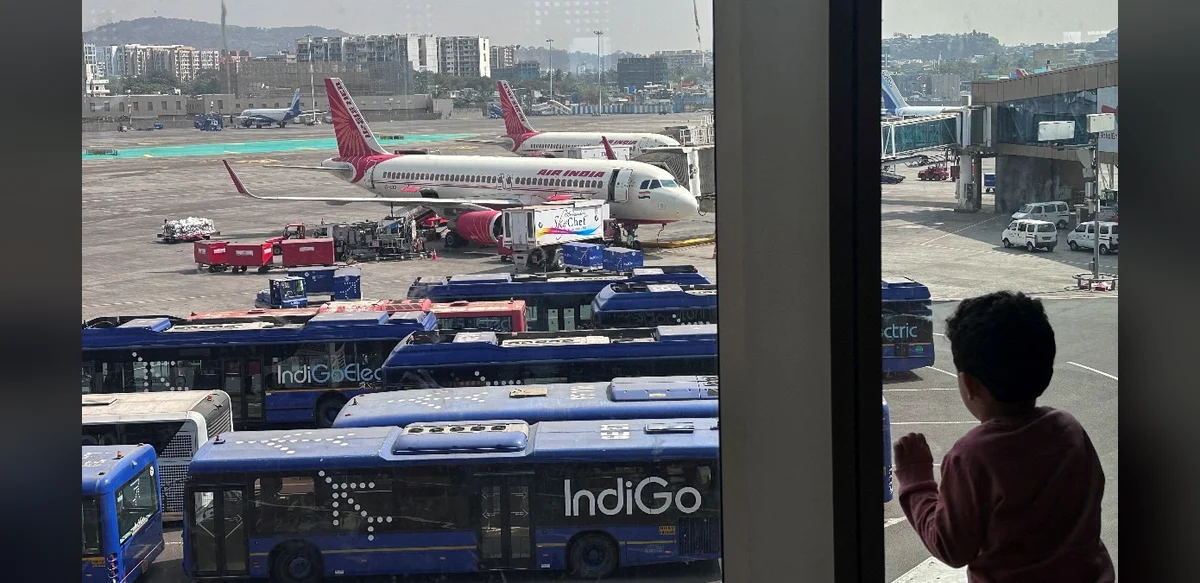
Mumbai’s primary airport is undergoing significant changes as authorities prepare Terminal 1 for a major overhaul. The redevelopment aims to modernize facilities at the Santacruz location while gradually moving select flight operations to the newer Navi Mumbai International Airport. This transition is expected to ease congestion and improve overall passenger experience in one of India’s busiest aviation hubs.
The current Terminal 1 handles a substantial share of domestic traffic. Planners have outlined a phased approach that prioritizes safety and minimal disruption to daily schedules. Construction work will focus on expanding gates, upgrading security systems, and enhancing retail and dining options. Officials emphasize that the project will align with long-term growth projections for air travel in the region.
Navi Mumbai airport, located across the harbor, offers expanded runway capacity and modern infrastructure designed for both domestic and international carriers. Shifting certain flights there is intended to balance load between the two facilities. This move could reduce delays during peak hours and allow better utilization of existing airspace.
Passengers may notice changes in boarding procedures and ground transport links. New metro and road connections are being developed to serve the Navi Mumbai site, aiming to cut travel times from central Mumbai. Airlines are coordinating with regulators to adjust routes and maintain service reliability throughout the transition period.
Economic analysts note that the dual-airport model could stimulate job creation in logistics, hospitality, and construction sectors. Local businesses near both terminals stand to benefit from increased footfall once the projects reach completion. Environmental assessments have also been conducted to mitigate impacts on surrounding communities.
Challenges include coordinating schedules between the two airports and ensuring seamless baggage handling across sites. Authorities are investing in digital tools to provide real-time updates to travelers. Training programs for staff are underway to handle the operational complexities of managing multiple terminals.
The redevelopment timeline spans several years, with initial phases targeting high-traffic areas first. Regular progress reports will be shared with the public to maintain transparency. Stakeholders from aviation, urban planning, and government bodies continue to meet to address emerging issues promptly.
Overall, the initiative reflects broader efforts to upgrade India’s aviation infrastructure amid rising passenger numbers. By balancing upgrades at the existing terminal with capacity at the new facility, Mumbai aims to position itself as a more efficient gateway for domestic and international travel. Continued monitoring will determine the long-term success of these coordinated changes.

