


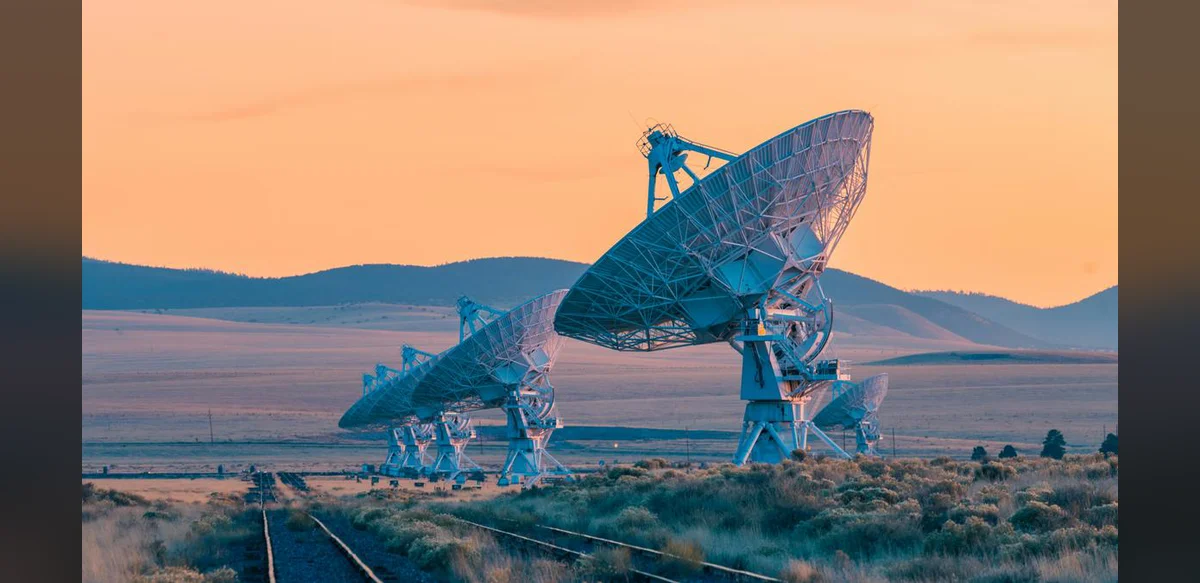
Recent research highlights growing challenges for astronomers due to emissions from satellites in orbit. The analysis indicates that efforts to safeguard observational capabilities must address both authorized signal transmissions and unintended emissions produced by onboard electronic systems.
Astronomers rely on sensitive instruments to detect faint signals from distant celestial objects. Increasing numbers of satellites have introduced new sources of interference that can obscure these signals. The study emphasizes that regulatory frameworks currently focus primarily on licensed communications but overlook the cumulative effects of stray radiation.
Experts note that electronic components in satellites generate electromagnetic noise across various frequencies. This noise can overlap with bands used for scientific observations, reducing data quality and limiting the scope of research projects. Without updated guidelines, the problem is expected to intensify as more satellites are deployed.
The findings recommend that satellite operators implement stricter controls on all forms of radiation emitted by their spacecraft. This includes design modifications to minimize unintended emissions and regular monitoring to ensure compliance. Such measures would help preserve the integrity of ground-based and space-based telescopes.
International cooperation is viewed as essential for establishing consistent standards. Different countries operate satellite networks, and fragmented regulations could undermine protection efforts. A unified approach would allow the scientific community to continue exploring the universe effectively while supporting the expansion of satellite services.
Industry representatives have acknowledged the issue and expressed willingness to explore technical solutions. These may involve shielding sensitive components or adjusting operational parameters to reduce interference during critical observation periods. Collaboration between operators and researchers could lead to practical innovations that balance commercial and scientific needs.
The report concludes that proactive regulation of both intentional and unintentional radiation is necessary to protect astronomical interests. Delaying action risks permanent degradation of observational data, affecting studies of planets, stars, and galaxies. Continued dialogue among stakeholders will be key to developing effective policies.
Overall, the research underscores the importance of considering all emission sources when planning future satellite constellations. By addressing stray radiation alongside licensed transmissions, the sector can support both technological advancement and the preservation of clear views into space.

