


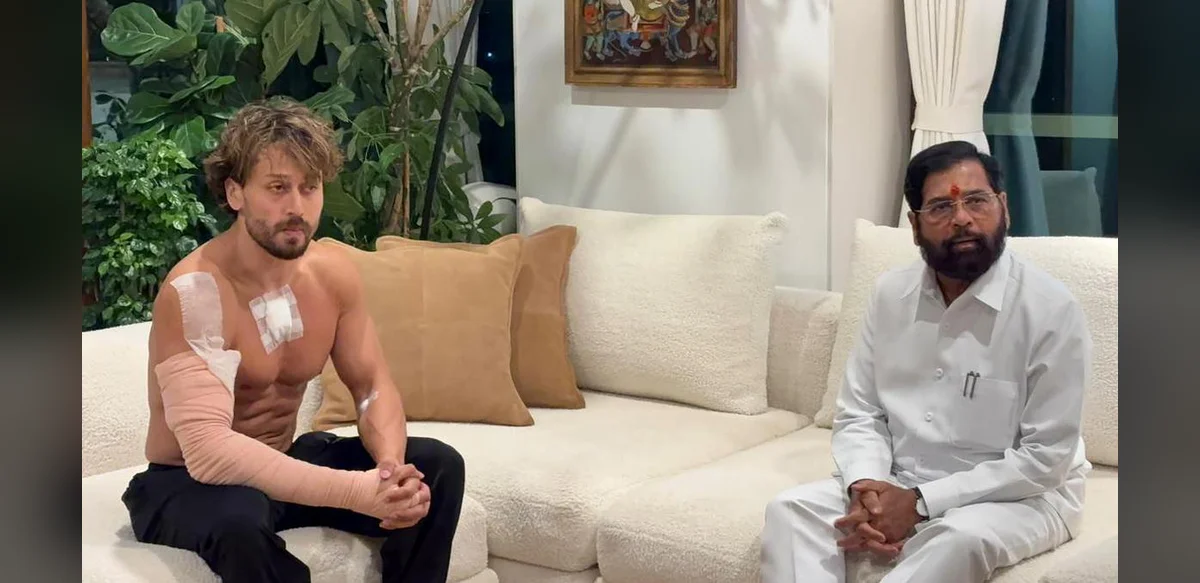
Over the years, several prominent figures in the Indian film industry have faced targeted attacks that have raised concerns about safety and security for public personalities. Incidents involving well-known names such as Rakesh Roshan and Gulshan Kumar illustrate a pattern of violence directed at celebrities, prompting discussions on protective measures and law enforcement responses.
The recent shooting incident linked to Tiger Shroff has once again brought attention to this issue. While details of the latest event continue to emerge, it echoes earlier cases where individuals associated with cinema faced direct threats. These occurrences highlight vulnerabilities that can arise despite the glamour and visibility surrounding the entertainment sector.
Gulshan Kumar, a key producer and music company founder, was killed in a shooting outside a temple in Mumbai during the late 1990s. The attack shocked the industry and led to widespread speculation about motives, though investigations pointed to organized elements. Similarly, Rakesh Roshan survived an attempt on his life when assailants fired at him outside his office, an event that underscored risks faced by directors and producers involved in high-profile projects.
Such episodes have not been isolated. Reports over time have referenced threats directed at other actors, including Salman Khan, who has been linked to security concerns stemming from various incidents. These cases collectively demonstrate how fame can sometimes intersect with danger, leading families and associates to advocate for enhanced personal protection protocols.
Authorities have responded by increasing surveillance around film sets and residences of notable personalities. Industry bodies have also called for better coordination with police to prevent recurrence. Experts note that the combination of public exposure and occasional disputes can create environments where targeted actions become possible.
The broader implications extend beyond individual safety. Productions may face delays, and creative professionals might experience heightened anxiety while working on location or during public appearances. Discussions in media circles often focus on balancing the demands of celebrity life with practical security arrangements.
Community reactions have varied, with fans expressing solidarity and calling for justice in each instance. Media coverage tends to revisit historical attacks whenever a new event surfaces, drawing parallels that emphasize continuity in the challenges faced by the sector.
Legal proceedings in past cases have sometimes stretched over years, involving multiple agencies and resulting in convictions or ongoing trials. These processes reflect the complexity of investigating crimes against high-profile targets, where evidence gathering and witness protection play critical roles.
In summary, the history of attacks on Bollywood celebrities serves as a reminder of the need for vigilance. From the murder of Gulshan Kumar to the shooting attempts on Rakesh Roshan and concerns around figures like Salman Khan, each event contributes to an ongoing narrative about safety in the public eye. The latest development involving Tiger Shroff fits into this sequence, encouraging renewed focus on preventive strategies without altering the fundamental facts of prior occurrences.
Industry observers continue to monitor developments, hoping that improved systems will reduce future risks. The emphasis remains on factual reporting and support for those affected, ensuring that attention stays on verifiable events rather than speculation.

