


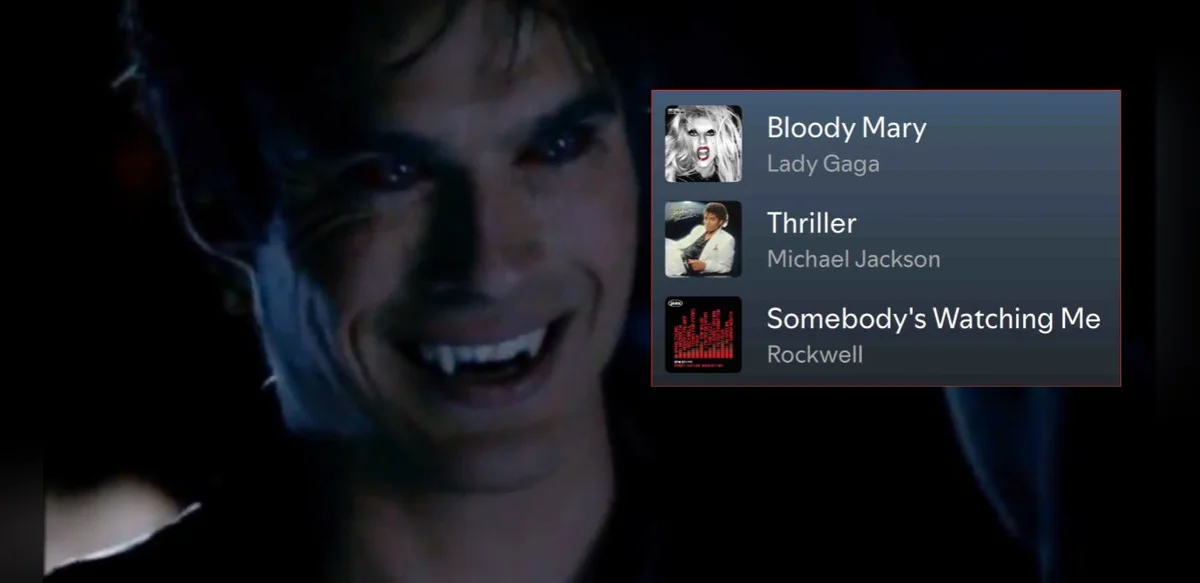
A growing number of online platforms now offer interactive quizzes that combine seasonal music selection with character matching from popular television series. These activities typically invite participants to build a playlist suited to Halloween themes before revealing a corresponding fictional vampire figure. The format draws on established interests in both curated music lists and supernatural storytelling that has appeared across various media outlets in recent years.
Participants begin by choosing tracks associated with autumn festivities, eerie soundscapes, or upbeat rhythms that fit the holiday period. Selections often include instrumental pieces, classic rock numbers, or contemporary electronic compositions that evoke a sense of mystery. Once the playlist is assembled, the quiz applies a simple matching process based on user preferences to suggest an on-screen vampire persona. Results are presented in a lighthearted manner without claiming scientific validity.
Such quizzes reflect broader patterns in digital entertainment where users engage with short, shareable content during specific times of the year. Halloween provides a natural backdrop because of its emphasis on costumes, music events, and fictional narratives involving supernatural beings. Media analysts note that vampire characters have maintained steady visibility in television programming for decades, allowing new generations of viewers to discover older series alongside newer productions.
The neutral presentation of these quizzes avoids any endorsement of particular shows or artists. Instead, they function as casual diversions that encourage users to reflect on their music tastes while exploring familiar fictional archetypes. Developers of similar tools emphasize accessibility, ensuring the experience requires no prior registration or payment.
Public interest in combining music curation with character quizzes has increased alongside the expansion of streaming services. Listeners frequently create seasonal playlists for parties or personal listening, and the addition of a matching element adds an element of surprise. Observers suggest this trend aligns with general habits of seeking personalized recommendations online.
Cultural commentators observe that Halloween activities have evolved to include digital components that extend beyond traditional in-person gatherings. Music remains central because it sets the tone for decorations, costumes, and storytelling sessions. Vampire figures, drawn from literature and adapted for screens, continue to appear in quiz formats because they offer recognizable traits that users can relate to in a playful context.
The process described in these quizzes does not involve real-time data analysis or external databases. Matching occurs through predefined question flows that map music choices to character profiles. Users receive one primary suggestion along with brief descriptions of why the pairing was made. Follow-up options sometimes allow participants to adjust selections and receive alternative results.
Overall, the activity remains within the realm of entertainment and does not substitute for professional music curation or media criticism. It serves as one example of how seasonal themes continue to inspire simple, repeatable online experiences that reach wide audiences during the fall months.

