


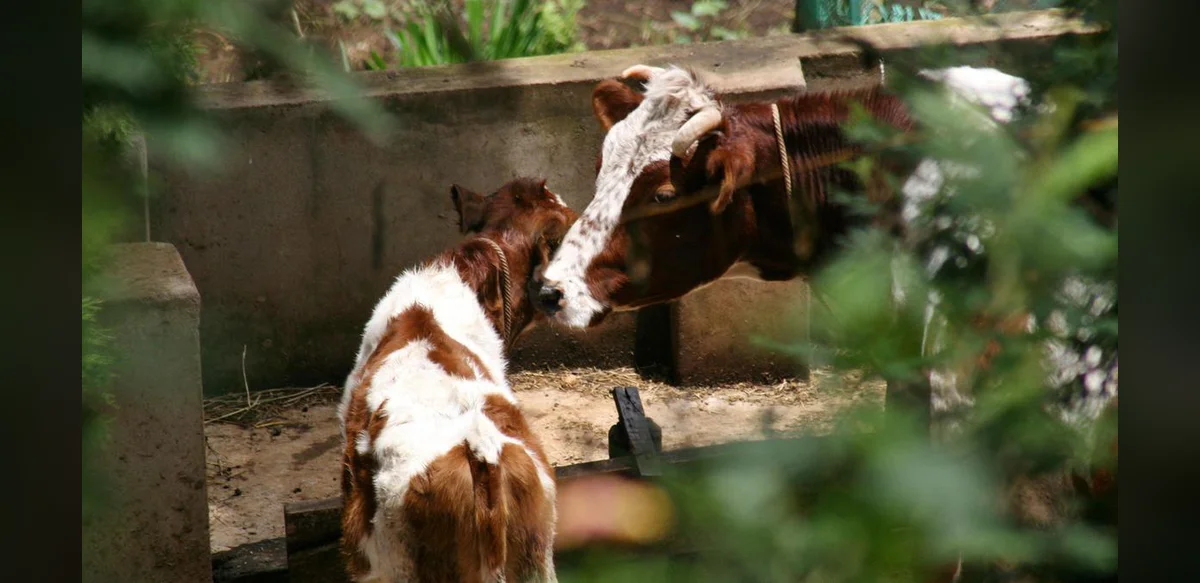
A virus primarily known for impacting animals has now been identified in a person, marking the initial recorded instance of such transmission and triggering further study into possible broader effects. Health authorities are examining the circumstances surrounding this detection to understand transmission pathways and any associated risks. The pathogen, referred to as Shamonda virus, has long been observed in cattle and other farm animals where it can lead to symptoms including fever and reduced productivity. Its appearance in a human case represents a notable development that warrants careful monitoring by medical professionals worldwide.
Experts emphasize that this finding does not yet indicate widespread human infection but highlights the importance of vigilance regarding pathogens that cross species barriers. Investigations are underway to determine how the individual came into contact with the virus and whether additional cases might exist undetected. Public health agencies are collaborating with veterinary services to track the situation and gather more data through testing and surveillance programs.
Background information shows that Shamonda virus belongs to a group of agents that typically circulate among livestock populations. In animals it may cause mild to moderate illness, though outbreaks can affect herd health and agricultural output. The recent human detection has prompted questions about potential zoonotic capabilities, meaning the ability to move between animals and people. Scientists are analyzing genetic material from the case to compare it with strains found in livestock.
Medical researchers note that many viruses originate in animal reservoirs before occasionally spilling over into human populations. This process can occur through direct contact, contaminated environments, or intermediate hosts. In the current scenario, officials are reviewing farm records and patient history to identify possible exposure points. No evidence of person-to-person spread has been confirmed at this stage, which helps limit immediate concerns.
The response includes enhanced screening at facilities that handle both animal and human health samples. Laboratories are developing protocols to test for the virus in future suspected cases. Educational efforts are also being considered to inform farmers and veterinarians about recognizing unusual symptoms that could signal emerging threats. International organizations are sharing information to support consistent approaches across regions.
Further studies will explore whether the virus can replicate efficiently in human cells or if the detection represents an isolated event. Data collection will continue over the coming weeks and months to build a clearer picture. Public health messaging stresses routine hygiene practices around livestock as a general precaution. Individuals working closely with animals are advised to report any unexplained illnesses promptly.
Overall the situation remains under active review with no immediate cause for widespread alarm. Continued cooperation between sectors will be essential to assess long-term implications. Updates will be provided as new findings emerge from ongoing analyses and field investigations. This case serves as a reminder of the interconnected nature of animal and human health systems.

