


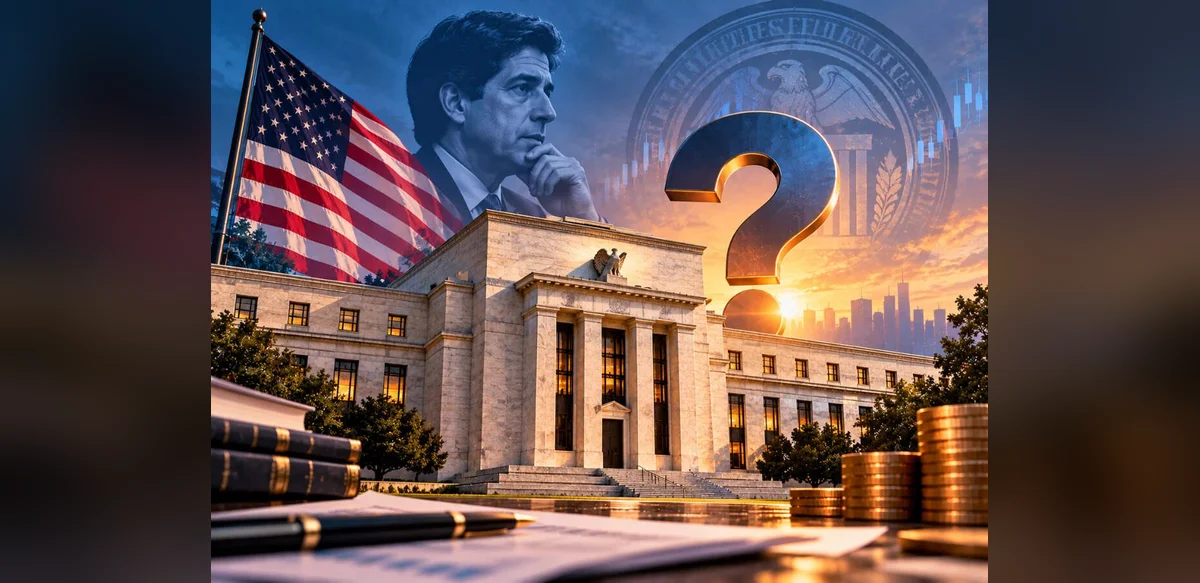
The United States central bank is widely anticipated to leave borrowing costs at their present levels during the October gathering. This expectation arises because price pressures have continued and the expenses tied to loans remain high across the economy. Observers note that such a decision would align with recent patterns where officials have chosen caution amid mixed signals on growth and costs.
Market participants plan to examine closely the remarks from the institution’s leader. Attention will center on discussions about ongoing price increases, the autonomy of the policy process, and any hints regarding possible moves later in the year. Concerns about a potential adjustment in December and differences of opinion inside the committee continue to draw focus from traders and households alike.
The broader implications touch various sectors. Financial markets may experience volatility if comments suggest shifts in outlook. Currency values could react to any perceived changes in direction. Households managing mortgages or other loans will watch for signals that might affect future payments. Analysts emphasize that steady rates at this stage reflect a balance between controlling inflation and supporting economic activity.
In the lead up to the meeting, data releases on consumer prices and employment have reinforced the case for no immediate change. Persistent inflation readings above target levels have prompted officials to maintain a measured approach. Elevated borrowing costs have already slowed certain types of spending, adding another layer to the considerations.
Investors are preparing scenarios for both the statement and the press conference. They seek clarity on whether the committee views current conditions as sufficient to hold steady or if further tightening remains on the table. Internal disagreements, if highlighted, could influence expectations for the remainder of the year and into the next.
The meeting occurs against a backdrop of global economic uncertainties. Trade developments and international growth rates add complexity to domestic policy choices. Officials have repeatedly stressed the importance of data dependence, meaning outcomes will hinge on incoming information rather than preset calendars.
For ordinary citizens the effects may appear gradual. Mortgage rates and credit card interest often move in line with central bank actions, though with some lag. Savings yields could stay attractive if rates remain elevated. Businesses planning expansions may factor in the likelihood of stable financing costs in the near term.
Overall the October session is viewed as a key checkpoint rather than a turning point. The focus remains on communication and forward guidance. Any deviation from the expected hold would likely require strong justification from fresh data. Market pricing currently assigns low probability to an immediate move, leaving room for the committee to assess conditions further before December.
This environment underscores the challenges of balancing multiple objectives. Inflation control continues to rank high while avoiding unnecessary disruption to employment and growth. The coming weeks will provide additional information that could refine expectations ahead of the gathering.

