


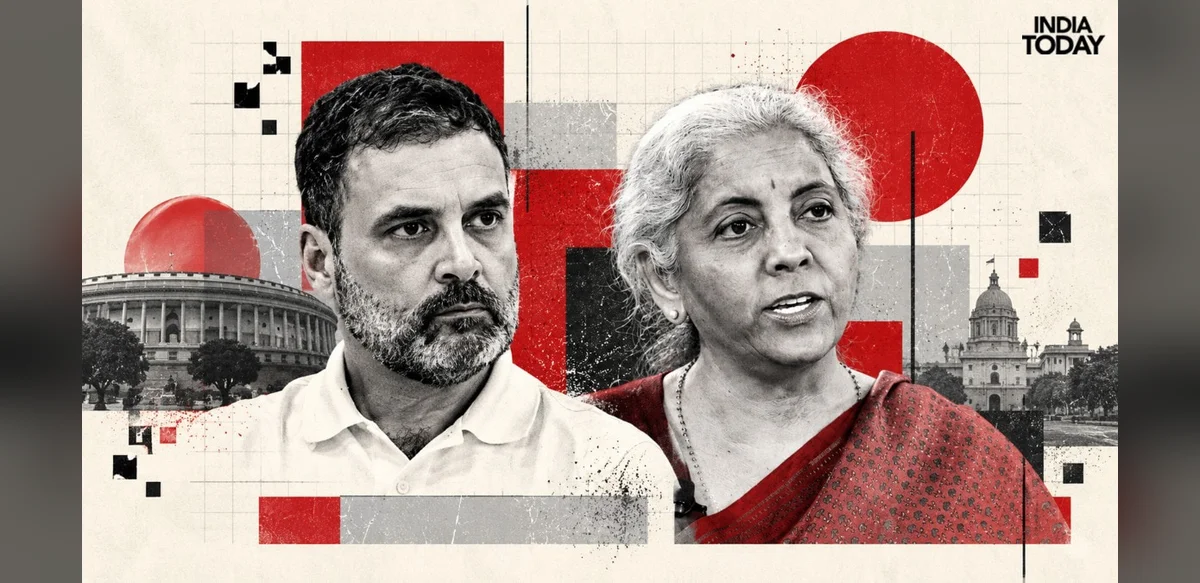
A senior opposition figure has voiced sharp criticism against the ruling party in connection with an ongoing matter involving a major Indian business group. The remarks focus on the reappointment process of a top executive within the conglomerate and the surrounding discussions. The comments come at a time when internal developments at the company have drawn public attention.
The finance minister responded by cautioning against the tendency to inject political elements into every corporate or administrative issue. She emphasized that such matters should be handled through appropriate institutional channels rather than being turned into subjects of partisan debate. The statement was made during a public interaction where questions about the executive reappointment were raised.
Observers note that the exchange reflects broader patterns in which business decisions occasionally intersect with political discourse in the country. The opposition leader argued that transparency and fairness must be upheld in the governance of large enterprises that play significant roles in the national economy. Specific references were made to the procedures followed during the recent board-level decisions.
The finance minister countered that repeated attempts to frame routine corporate processes as political controversies could undermine investor confidence and distract from substantive policy work. She called for a more measured approach that respects the separation between commercial affairs and electoral politics. The remarks were delivered in a tone that sought to de-escalate the situation.
Industry analysts have pointed out that leadership transitions at prominent business houses often attract media coverage, yet they remain primarily internal governance matters. The current episode appears to have gained additional visibility due to the involvement of high-profile political voices. Both sides have reiterated their positions without introducing new factual claims beyond the initial statements.
Parliamentary proceedings in recent sessions have touched upon related themes of corporate accountability and regulatory oversight. Members from different parties have raised questions about the role of independent directors and succession planning in large companies. The present controversy adds to an existing conversation on these topics.
The opposition leader maintained that public interest demands scrutiny whenever decisions at major corporations appear to deviate from established norms. The finance minister, however, stressed the importance of allowing companies to manage their affairs within the legal framework without external political pressure. She suggested that regulatory bodies are equipped to address any genuine concerns that may arise.
This exchange highlights the ongoing tension between political accountability and commercial autonomy in the Indian context. While the opposition seeks to keep the issue in the public eye, the government side advocates for limiting political commentary on matters that fall under corporate jurisdiction. The debate is expected to continue in both media and legislative forums.
No additional details regarding the internal company processes have been disclosed by either side beyond the statements already made. The situation remains fluid as further reactions from other political actors and business representatives are awaited. The emphasis from official quarters continues to be on maintaining stability and avoiding unnecessary politicization of economic activities.

