


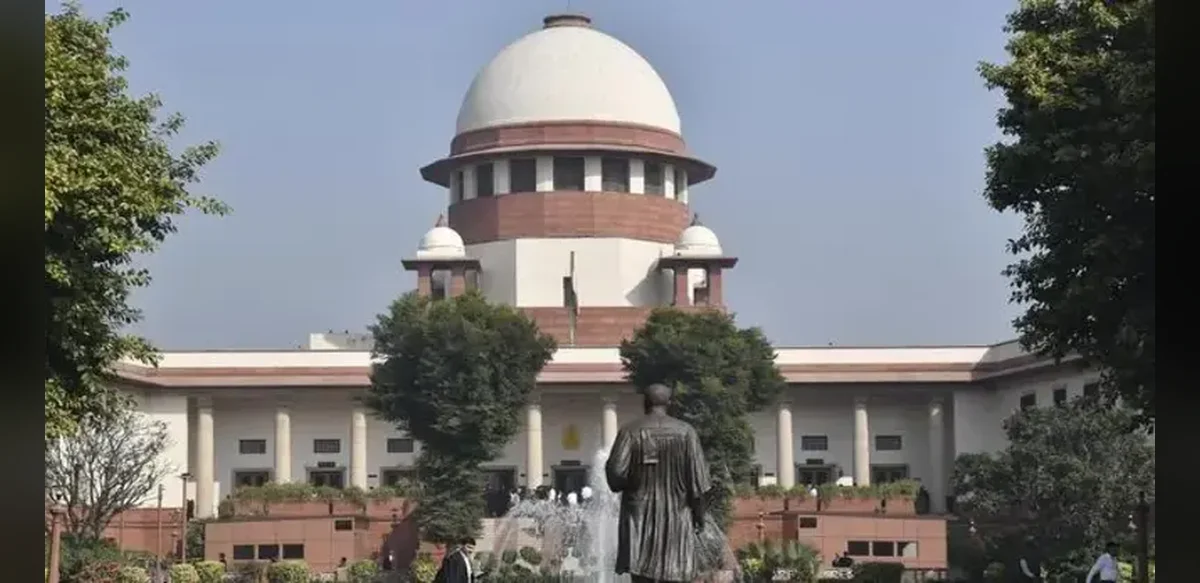
The Supreme Court recently addressed issues surrounding the Special Intensive Revision of electoral rolls, clarifying that its prior directions were interim measures rather than final determinations on the legality of certain procedures used by the Election Commission. The bench emphasized the need for accessible mechanisms to assist eligible voters whose names may have been omitted, encouraging proactive outreach by authorities instead of placing the full burden on individuals. These remarks highlight the importance of constitutional bodies operating within established legal channels to resolve conflicts.
During hearings on October 28, the court examined the application of a logical discrepancy category in states including West Bengal. It noted that permissions granted earlier for this category represented temporary arrangements pending further review. The justices also scrutinized requirements in Delhi where previously enrolled voters were asked to submit fresh applications through a specific form. Concerns were raised about language accessibility in notices and the practical challenges faced by migrant workers, street vendors, and those in informal employment sectors.
Petitioners in the Delhi case argued that the revision exercise led to significant exclusions from draft rolls published in August, with millions classified under categories such as permanent relocation. They contended that mandating new registrations created unnecessary hurdles and potential legal risks under existing electoral laws that penalize inaccurate declarations. The Election Commission indicated flexibility in accepting delayed submissions and extending deadlines where appropriate.
The proceedings underscore distinctions between oversight of administrative actions and the core responsibilities of electoral authorities. Demands for accountability differ from efforts to substitute official processes with unofficial alternatives. Historical examples from various movements illustrate attempts to establish parallel decision-making structures outside formal systems, though these vary in approach and legal standing.
Public hearings and independent reviews can serve useful roles when conducted under proper legal authority. However, self-appointed bodies lack the power to override decisions made by constitutionally mandated institutions. The constitution delineates clear functions for parliament in lawmaking, the Election Commission in conducting polls, and courts in adjudicating disputes and reviewing government actions. Provisions allow for citizen advocacy and inquiries but maintain boundaries against unauthorized exercise of judicial or administrative powers.
The court’s approach in this matter focuses on examining legal questions while facilitating practical solutions for affected voters. It avoids premature conclusions on disputed categories and promotes dialogue between institutions. This process reinforces the framework where each body adheres to its designated role, ensuring disputes are handled through recognized procedures rather than external claims of authority.
Observers note that such interventions help maintain balance in the electoral system by addressing transparency issues without disrupting ongoing administrative functions. The emphasis remains on enabling eligible citizens to participate fully while upholding statutory requirements. Future hearings are expected to provide additional clarity on the scope of revision exercises and the handling of exclusions across regions.
The observations also touch on broader themes of institutional integrity and the risks associated with bypassing established channels. By reaffirming reliance on legal remedies available through courts and designated bodies, the judiciary contributes to orderly resolution of grievances related to voter lists. This aligns with constitutional directives on separation of powers and access to justice.
Overall, the developments reflect ongoing efforts to refine electoral processes in a large democracy, balancing efficiency with safeguards for individual rights. The Supreme Court’s role continues to center on interpreting laws and ensuring compliance, leaving operational aspects to the appropriate commission while monitoring for fairness and accessibility.

