


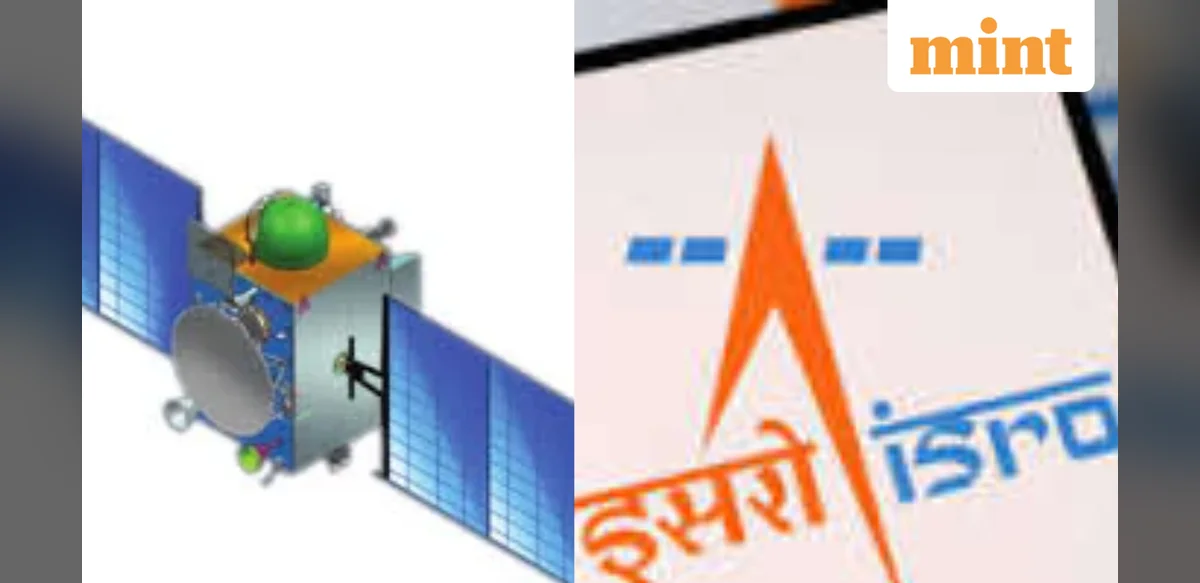
The Indian Space Research Organisation has scheduled the launch of its NVS-03 navigation satellite for the evening of October 30. The mission will use a Geosynchronous Satellite Launch Vehicle departing from the spaceport at Sriharikota. Liftoff is set for 11:51 pm local time.
This upcoming flight aims to maintain the operational strength of India’s regional navigation network. The satellite is designed to provide ongoing support for positioning and timing services across the country and surrounding areas.
Engineers have equipped NVS-03 with an atomic clock developed domestically. This component helps ensure precise timekeeping, which is essential for accurate navigation signals. The spacecraft also includes an additional L1 frequency band to broaden compatibility with various user receivers.
Preparations at the launch facility are in their final stages. Teams have completed integration checks between the rocket and the satellite. Weather conditions and technical parameters will be monitored closely in the hours leading up to the scheduled departure.
Navigation satellites like this one form part of a larger constellation that delivers location data for civilian and strategic applications. Continuous replenishment of the fleet helps avoid gaps in coverage and maintains service reliability.
The addition of the L1 band represents an incremental improvement in signal options. Users with compatible devices may benefit from enhanced reception in different environments. The indigenous atomic clock further reduces dependence on imported technology for critical subsystems.
Once in orbit, the satellite will undergo a series of tests to verify its performance. These checks include signal transmission quality and clock stability assessments. Successful completion of these steps will allow the spacecraft to join the active navigation constellation.
The October 30 launch window reflects careful planning around orbital mechanics and ground station availability. Any delay due to technical or meteorological factors would shift the timeline accordingly.
Overall, the mission underscores ongoing efforts to strengthen independent space-based navigation capabilities. By focusing on domestically developed components and expanded frequency support, the project contributes to long-term service sustainability.
Public updates on the countdown and post-launch status are expected through official channels. Observers can follow progress via established communication platforms managed by the space agency.

