


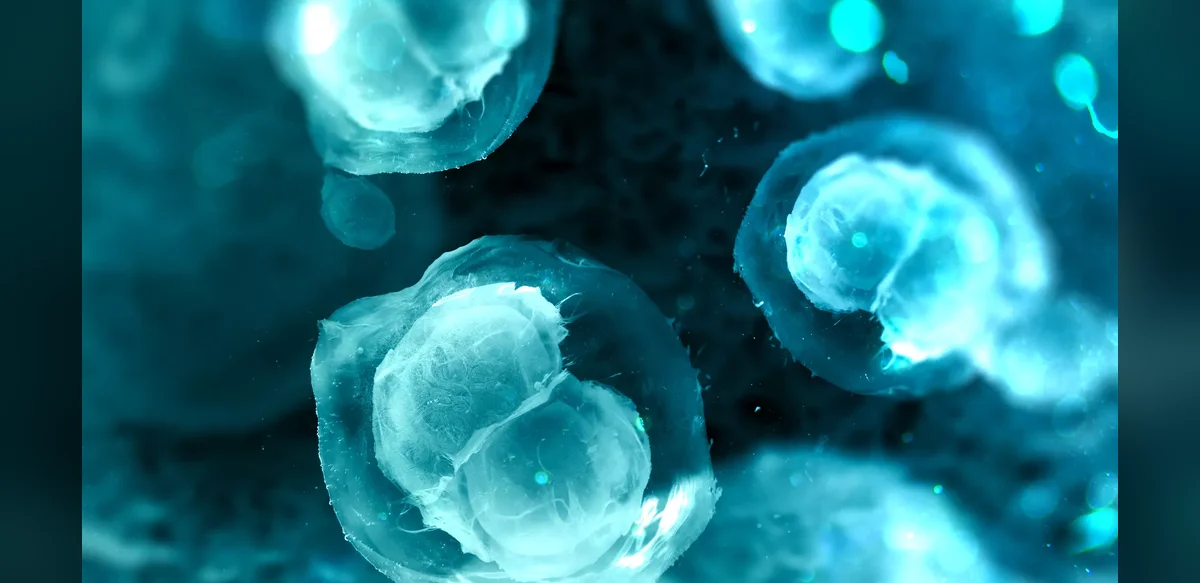
Recent investigations into stem cell applications for traumatic spinal cord injuries highlight how grafted cells can potentially substitute damaged neural elements, safeguard surrounding tissues, or modify signaling pathways in the affected area. Outcomes vary based on the type of cells used at the outset. Scientists are employing multi-omics techniques to gain deeper understanding of these processes, focusing on how cells determine their roles, how the surrounding environment adapts, and how new connections form to restore function.
Spinal cord injuries often lead to lasting impairments because the central nervous system has limited natural repair capacity. Traditional treatments focus on stabilization and rehabilitation, yet they rarely reverse the damage fully. Stem cell therapies represent an emerging avenue, with various cell sources under study including embryonic, induced pluripotent, and adult-derived types. Each brings distinct advantages and challenges regarding integration and safety.
The multi-omics strategy combines data from genomics, proteomics, and metabolomics to map cellular behaviors post-transplantation. This comprehensive view reveals patterns in cell differentiation, interactions with host tissues, and changes in the injury niche. For instance, certain grafts may promote remyelination or reduce inflammation, while others influence axon growth through secreted factors.
Functional integration remains a key hurdle. Transplanted cells must not only survive but also establish meaningful links with existing neural circuits. Studies track electrical activity and behavioral improvements in model systems to assess progress. Niche remodeling involves alterations in the extracellular matrix and vascular support that can either aid or hinder recovery.
Challenges include immune responses, tumor formation risks, and ensuring consistent results across patients. Regulatory pathways for approval emphasize rigorous testing for efficacy and long-term effects. Ongoing trials explore optimized delivery methods, such as scaffolds or timed injections, to enhance outcomes.
Broader implications extend to other neurological conditions where cell replacement or modulation could prove beneficial. Collaboration across disciplines accelerates translation from lab findings to clinical settings. Public health considerations include accessibility and ethical sourcing of cells.
Future directions point toward personalized approaches, tailoring cell types and combinations to individual injury profiles. Data integration from multiple omics layers supports predictive modeling for better therapeutic design. Continued research aims to refine these strategies for safer, more effective interventions.
Overall, the field advances steadily with insights from detailed molecular analyses guiding refinements. While full restoration is not yet routine, incremental gains in understanding cell fate and tissue dynamics offer hope for improved quality of life for those affected by such injuries. (Character count: 4982)

