


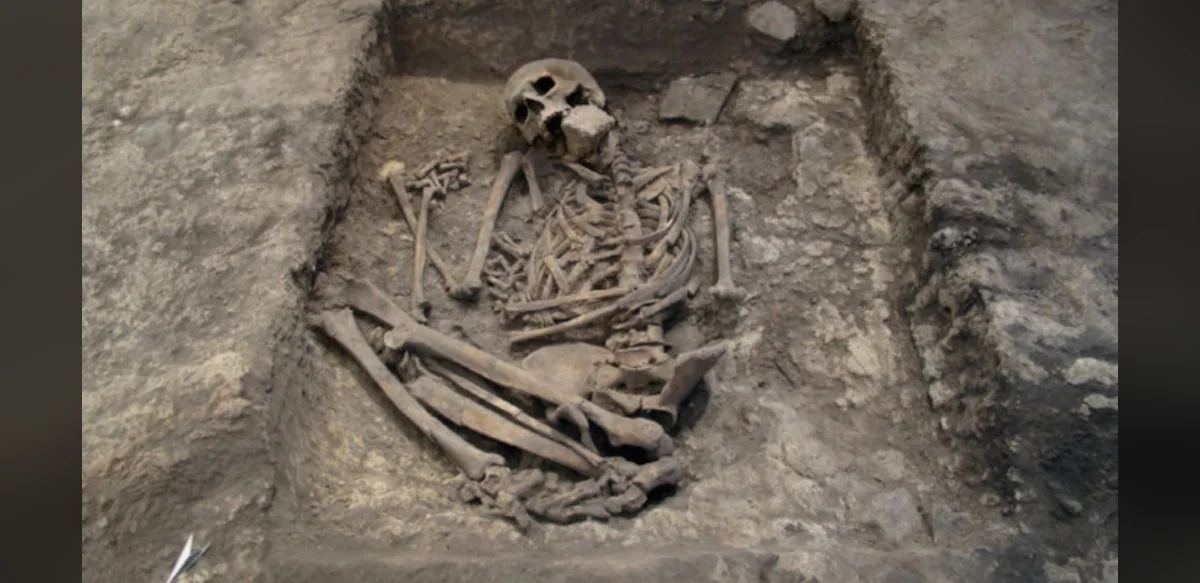
Approximately 3,700 years ago a man received a burial that stands out from typical practices of the time in southeastern Spain. Experts examining the remains propose the arrangement was meant to address a perceived threat in a symbolic manner rather than to deliver punishment. The placement of the body beneath a hearth combined with a stone positioned in the mouth suggests an intention to prevent speech or expression after death.
The site reveals details about burial customs during that era. The hearth above the remains indicates the location served dual purposes for daily life and ceremonial acts. Such positioning may reflect beliefs about containing influences that could affect the living community.
Researchers note that the stone in the mouth forms a key element of the arrangement. This feature appears deliberate and points toward efforts to ensure silence in a ritual context. The overall setup differs from standard interments and highlights variations in how communities handled unusual cases.
Further analysis of the skeletal remains and surrounding materials provides insight into the period. The age of the burial aligns with the Bronze Age in the region. Conditions at the site preserved enough evidence to allow study of the ritual aspects involved.
The interpretation centers on symbolic actions aimed at overcoming threats. Rather than viewing the burial as punitive the evidence supports a protective or preventive purpose. This distinction helps clarify the cultural framework that guided such decisions.
Excavation work uncovered the body in a location integrated with household structures. The hearth served as both a practical feature and a marker for the burial. This integration suggests rituals were woven into everyday spaces.
The stone placement receives particular attention because it deviates from common practices. Its presence implies a specific intent to restrict the deceased. Scholars continue to examine comparable finds to place this example within broader patterns.
Overall the discovery adds to understanding of ancient belief systems in southeastern Spain. The combination of location and objects used in the burial offers a window into how communities addressed concerns through ritual means. Continued study may reveal additional layers of meaning behind the arrangement.
The remains date back roughly 3,700 years placing them in a time of developing social structures. The unique features of the burial distinguish it from others in the area. This uniqueness supports the view that special measures were taken for particular reasons.
In summary the evidence points to a ritual focused on containment rather than retribution. The hearth and the stone together create a narrative of symbolic action. Future research will likely build on these findings to deepen knowledge of prehistoric customs.

