


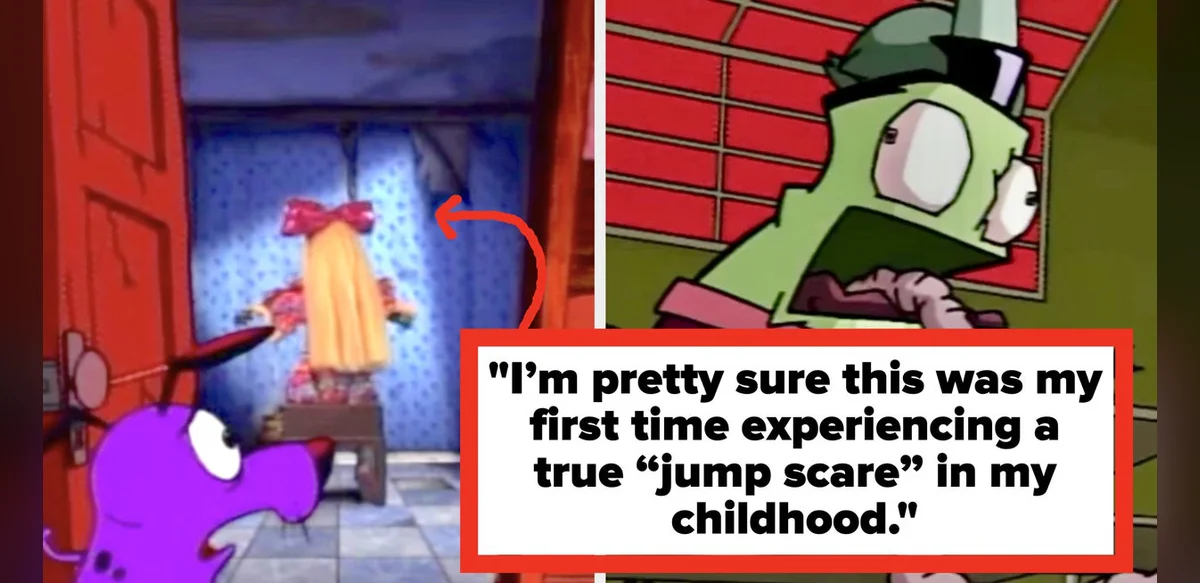
Many adults recall specific episodes from children’s television programs that introduced unexpected elements of fear or suspense. These moments often stand out because they contrasted sharply with the lighthearted tone typical of shows aimed at younger audiences. One frequently mentioned example involves a mysterious voice demanding the return of a slab, a scene that has lingered in the memories of those who watched the series Courage the Cowardly Dog during its original run.
Children’s programming has historically balanced entertainment with occasional forays into darker themes to teach lessons or build tension. Producers sometimes incorporated eerie sound effects, unusual character designs, or sudden shifts in atmosphere. Such choices were intended to keep young viewers engaged while exploring broader storytelling possibilities within the medium.
Over the years, discussions about these unsettling sequences have appeared in online forums and retrospective articles. Viewers describe how certain visuals or dialogue created lasting impressions, even when the overall narrative resolved positively. The phenomenon highlights the impact of early media exposure on emotional development and memory formation.
Industry observers note that standards for content in children’s television have evolved. Modern productions tend to include content warnings or adjust intensity levels based on audience feedback and regulatory guidelines. Nevertheless, classic episodes continue to circulate through streaming platforms, allowing new generations to encounter the same scenes.
Analyses of popular series reveal recurring patterns in how fear is introduced. Sudden appearances of supernatural entities, distorted voices, or isolated settings often serve as narrative devices. These elements can prompt conversations between children and caregivers about distinguishing fiction from reality.
Archival reviews of animation from the late twentieth century show that creators drew inspiration from various genres, including horror and mystery. While the primary goal remained education and amusement, incidental frightening moments emerged as byproducts of creative experimentation. This approach sometimes resulted in episodes that adults later revisit with a mix of amusement and reflection.
Public interest in cataloging such scenes has grown alongside nostalgia-driven media consumption. Lists compiled by entertainment websites frequently cite examples from multiple decades, spanning different networks and production styles. The shared experience of recalling these moments fosters online communities where individuals exchange personal accounts.
Psychological perspectives suggest that mild fright in controlled media environments can contribute to resilience. Children learn to process suspense and anticipate resolutions within a safe context. Experts emphasize the importance of parental guidance in framing these experiences appropriately.
Broadcast records indicate that certain episodes received viewer complaints at the time of airing, leading to scheduling adjustments or edits in subsequent broadcasts. These responses reflect ongoing negotiations between creative freedom and audience expectations in family-oriented programming.
Contemporary creators reference these historical examples when developing new content. They aim to incorporate tension thoughtfully without overwhelming younger audiences. The balance between wonder and caution remains a central consideration in script development and visual design.
Streaming services have facilitated renewed access to older series, prompting fresh discussions about their lasting effects. Viewers who encountered the programs as children now analyze them through the lens of media literacy. This retrospective examination underscores the cultural role of children’s television in shaping collective recollections.
Overall, the persistence of these memories illustrates the power of visual storytelling across age groups. While the original intent was entertainment, the unintended emotional resonance continues to invite reflection on how media influences perception and recall.

