


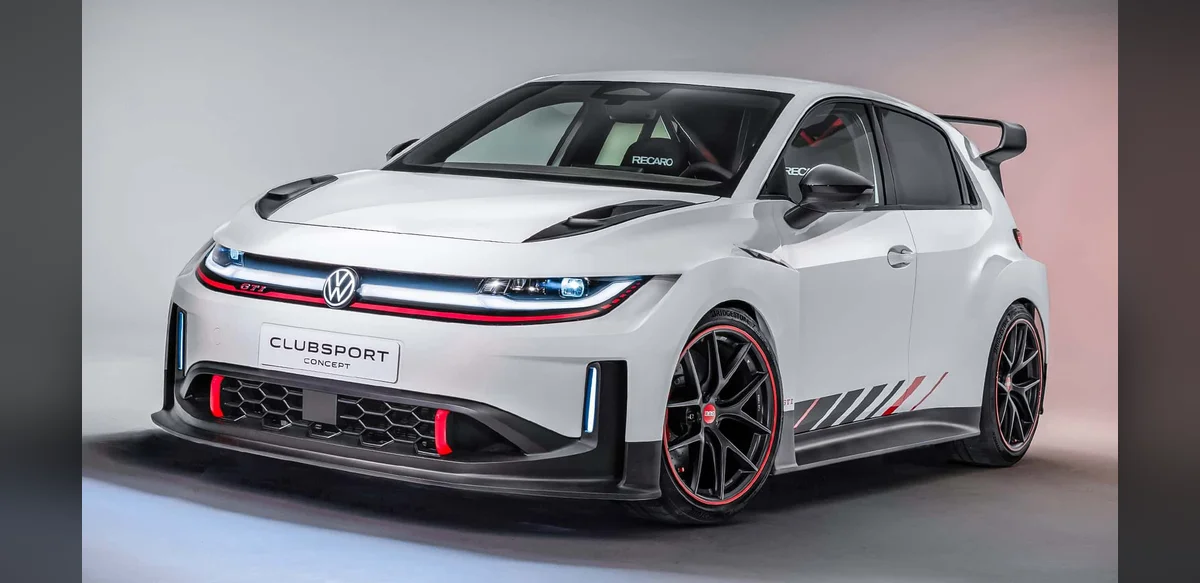
Volkswagen has created a specialized electric iteration of its Polo lineup intended primarily for track environments. This model stands out as the strongest electric-powered Polo produced to date. Engineers equipped it with a front differential that can lock to improve traction during aggressive cornering. Additional technical features include ceramic brake components for superior heat resistance under repeated high-speed stops. The body configuration uses two doors rather than the standard four, aligning with its focus on reduced weight and enhanced rigidity for competitive use.
The design choices reflect a deliberate shift toward motorsport applications while retaining the core electric powertrain architecture associated with the ID series. By limiting the vehicle to two doors, the structure gains stiffness that benefits handling precision on closed courses. The locking differential works in tandem with the electric motor output to direct torque effectively to the wheels with the most grip. Ceramic brakes provide consistent stopping power even after multiple laps, addressing a common challenge in sustained track sessions.
Industry observers note that such a vehicle demonstrates how electric technology can be adapted for performance-oriented roles traditionally dominated by internal combustion engines. The absence of a rear seat pair further emphasizes the single-purpose nature of the car, prioritizing driver and co-driver space along with necessary safety equipment. This configuration reduces overall mass and allows for optimized weight distribution that aids stability at speed.
Development of this variant underscores ongoing efforts within the automotive sector to explore electric platforms in competitive settings. The combination of advanced drivetrain elements and chassis modifications creates a package suited for enthusiasts seeking an electric option in track-focused activities. Details released so far center on the mechanical upgrades rather than broader production plans or pricing structures.
Further context around the project highlights the integration of proven electric components with specialized hardware. The front differential lock enhances corner exit acceleration by minimizing wheel spin. Ceramic brakes complement the regenerative capabilities of the electric system, offering both efficiency and durability. Two-door construction simplifies the overall frame while meeting the demands of circuit use.
The resulting vehicle represents a focused application of existing electric vehicle technology to a new segment. Its specifications position it as a distinct offering within the Polo family, separate from daily commuting models. Track readiness stems directly from the listed enhancements rather than cosmetic changes alone.
In summary, the model delivers the highest output among electric Polos through targeted engineering. The locking front differential, ceramic brakes, and two-door layout collectively define its character as a circuit-oriented machine. These elements combine to produce a vehicle optimized for controlled environments where performance metrics take precedence over everyday practicality.

