


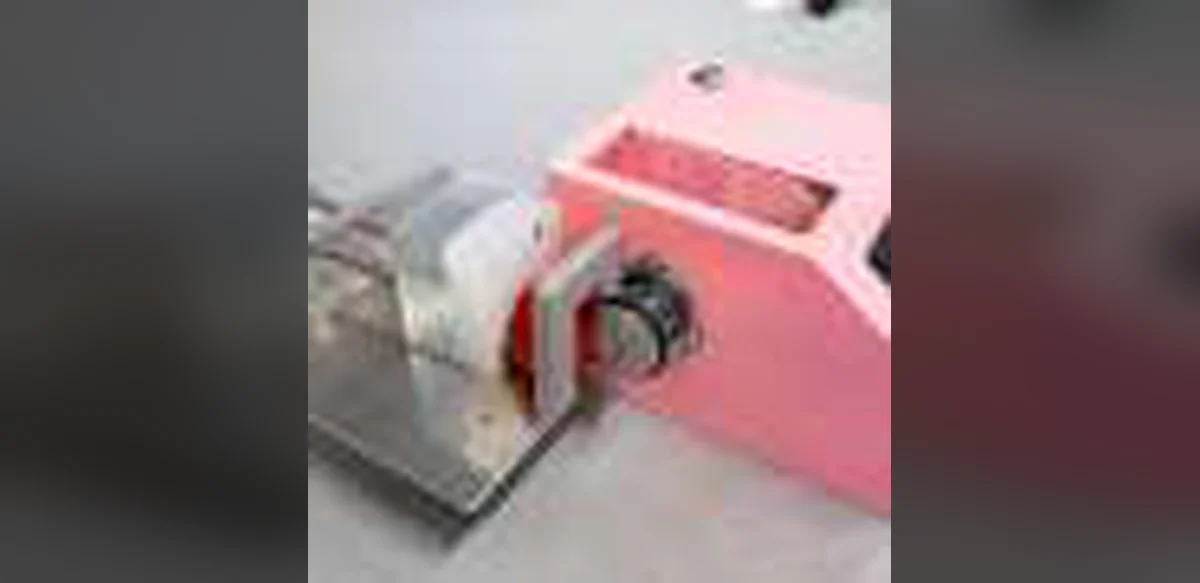
A specialized instrument created by engineering students promises to simplify the identification of hardy strawberry types for ongoing plant improvement initiatives. The device focuses on evaluating the resilience of the fruit’s outer layer, an important factor in variety selection processes managed by agricultural research teams in Queensland.
The prototype was developed through a university project aimed at addressing practical needs in fruit cultivation. By providing precise measurements of skin strength, the tool offers breeders clearer data on which strawberry lines may perform better under typical handling and growing conditions. This approach supports efforts to enhance crop reliability without relying solely on traditional observation methods.
Strawberry breeding programs often prioritize traits that contribute to overall fruit quality and longevity. Skin strength stands out as a key characteristic because it influences how well berries maintain integrity during harvest, transport, and storage. The new measurement device allows for more consistent assessment across different plant selections, potentially accelerating decision-making in research settings.
University engineering teams collaborated on the design to ensure the prototype meets the specific requirements of fruit evaluation. Initial testing indicates the tool can deliver repeatable results, making it a useful addition to existing laboratory equipment used in agricultural studies. Such innovations highlight the role of student projects in contributing to specialized industry tools.
The Australian Strawberry Breeding Program, operated under the Department of Primary Industries in Queensland, stands to benefit from this development. Program researchers can now incorporate quantitative skin strength data into their selection criteria, complementing other evaluations related to yield, flavor, and disease resistance. This integration may lead to more informed choices when advancing promising varieties through breeding cycles.
Broader applications of the prototype could extend to similar assessments for other soft fruits where skin durability is a consideration. The engineering principles behind the device emphasize accuracy and ease of use, qualities that align with the demands of routine testing in research facilities. Continued refinement may further enhance its utility in plant science contexts.
Overall, the initiative demonstrates how targeted engineering solutions can address challenges in agricultural research. By focusing on measurable attributes like skin strength, the prototype provides a foundation for improved variety development that meets the needs of growers and markets alike. Future work may explore adaptations of the technology for wider use in horticultural programs.

