


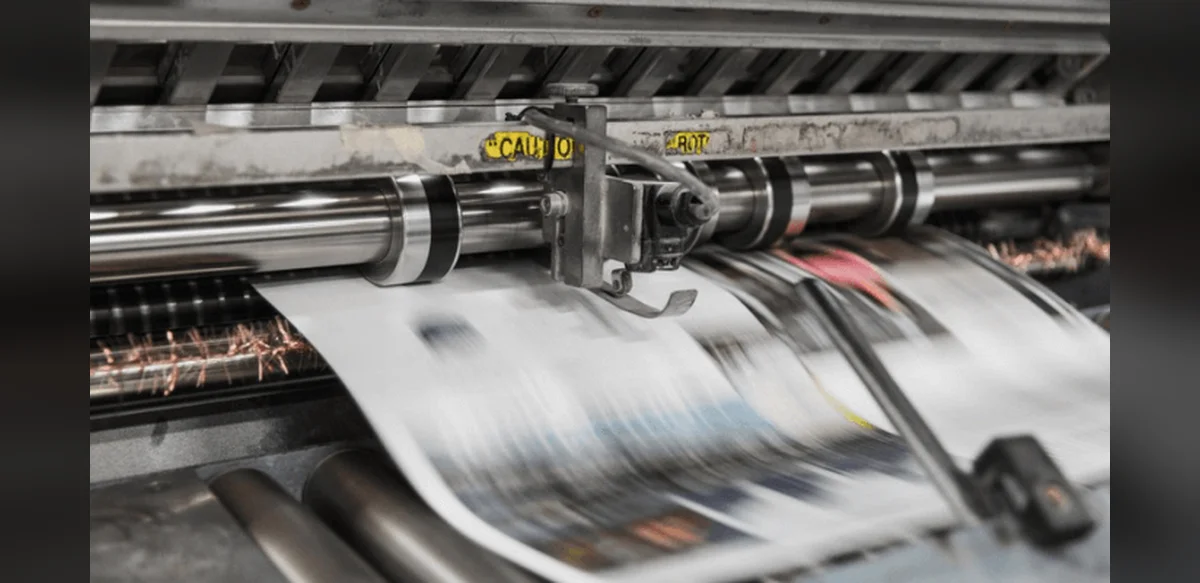
The printing sector in Nigeria is undergoing significant changes as companies move past conventional paper-based methods. New developments in areas such as product verification, protective packaging solutions and electronic printing techniques are opening fresh avenues for growth in key industries including manufacturing, medical services and general commerce.
Industry observers note that these shifts are helping businesses address rising demands for efficiency and security. Traditional approaches often faced limitations in speed and customization, but updated tools now allow for more precise output and reduced waste. This transition supports broader economic goals by enabling local firms to compete more effectively.
In manufacturing, for instance, enhanced printing methods facilitate better tracking of goods through embedded verification features. Such capabilities help minimize counterfeiting risks and improve supply chain reliability. Healthcare providers are also benefiting, with secure labeling options that ensure medication and equipment authenticity while meeting regulatory standards.
Commercial applications have seen similar progress. Digital platforms enable rapid production of marketing materials tailored to specific needs, allowing quicker responses to market trends. These innovations contribute to cost savings over time and support sustainable practices by optimizing resource use.
Stakeholders emphasize the importance of continued investment in training and infrastructure to fully realize these benefits. Collaboration between technology providers and local operators is viewed as essential for widespread adoption. Overall, the move toward modern printing solutions positions the sector for sustained development amid evolving business requirements across the country.

