


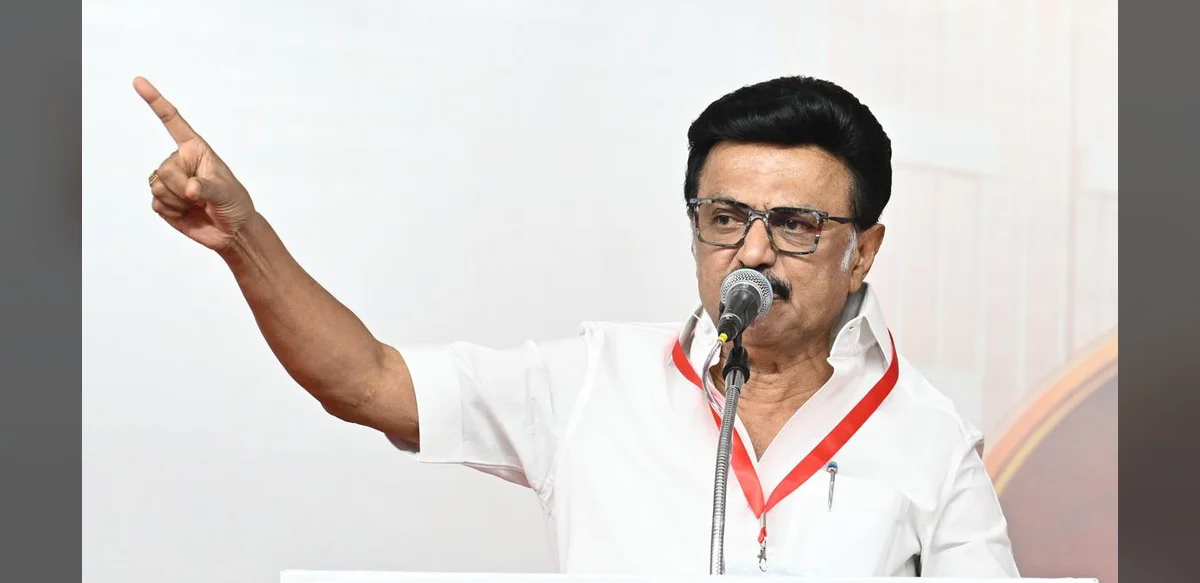
Political developments in Tamil Nadu have drawn attention following remarks by a senior leader regarding an elected representative from Kallakurichi. The leader emphasized the need for appropriate measures by the state government in response to messages reportedly sent to a district collector. This statement has prompted discussions on accountability and conduct expected from public officials.
The comments highlighted broader concerns about how such situations might affect individuals in similar positions. The leader noted that the episode raises important questions regarding the experiences of ordinary citizens when even high-ranking administrators encounter challenges of this nature. Observers suggest the remarks underscore ongoing debates about professional boundaries and the responsibilities of elected members.
State authorities have been urged to review the matter thoroughly. The call for action comes amid a political climate where issues of governance and public service frequently intersect with questions of personal conduct. Local representatives and party workers are expected to monitor any follow-up steps taken by relevant departments.
In the context of regional politics, such incidents often lead to wider conversations about institutional safeguards. Analysts point out that maintaining public trust requires consistent application of rules across different levels of administration. The current episode may influence how similar cases are handled in the future within the state.
Residents in the affected district have expressed varied opinions on the reported communications. Some view the matter as a reminder of the importance of clear protocols in official interactions. Others emphasize the role of leadership in setting standards for behavior among those holding public office.
The statement by the leader has been covered extensively in local media outlets. Coverage has focused on the implications for governance rather than specific details of the messages involved. This approach reflects a preference for examining systemic issues over individual circumstances.
Moving forward, the state government is anticipated to consider appropriate responses based on established procedures. Political commentators note that timely action can help reinforce confidence in administrative processes. The episode serves as an example of how isolated events can spark larger dialogues on ethics and oversight.
Across Tamil Nadu, similar discussions have occurred in the past regarding the conduct of legislators. These conversations typically center on balancing individual rights with collective expectations from elected bodies. The present case adds to that ongoing narrative without introducing entirely new elements.
Public reaction remains measured, with attention directed toward any official announcements that may follow. Community leaders have called for calm and adherence to legal frameworks when addressing grievances. This measured tone aligns with the state’s history of managing political matters through institutional channels.
Overall, the remarks contribute to a continuing examination of roles and responsibilities within Tamil Nadu’s political landscape. They highlight the intersection of personal communications and official duties, encouraging reflection on best practices for all involved parties. The focus stays on ensuring that administrative functions proceed smoothly and equitably for everyone.

