


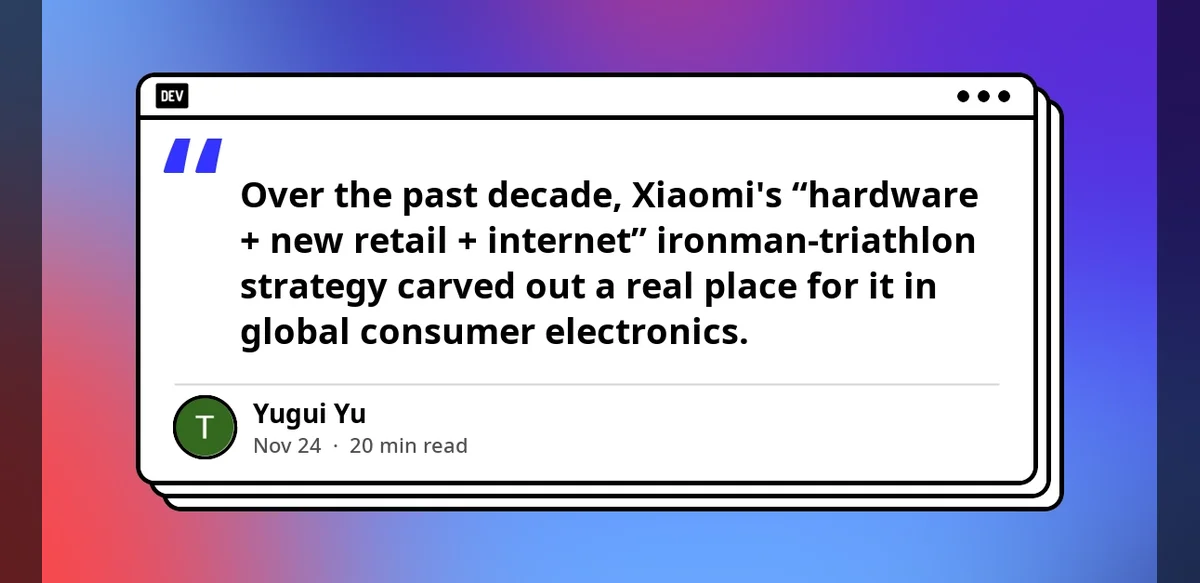
Recent discussions around Xiaomi have centered on the company’s efforts to integrate artificial intelligence more deeply into its product lineup and overall business approach. Observers note that while the firm has historically emphasized building an interconnected ecosystem of devices, current market responses suggest this narrative may no longer hold the same appeal for consumers and investors.
The core observation is that challenges facing the company extend beyond simple operational execution. Instead, attention has turned to whether the broader audience continues to value the promise of seamless device connectivity and smart features as a primary purchasing driver. This shift in perception forms the basis for ongoing analysis of the firm’s strategic direction.
Xiaomi has outlined plans to incorporate advanced AI capabilities across smartphones, home appliances, and other hardware categories. These initiatives aim to enhance user experiences through improved automation, personalization, and data processing. Company statements highlight investments in research and development to support these goals, positioning the brand as a forward-looking player in consumer technology.
Market data indicates varying levels of adoption for smart ecosystems in different regions. In some areas, users prioritize individual device performance, battery life, and pricing over the ability to link multiple products into a single network. This preference appears to influence how new AI announcements are received, with some analysts suggesting that enthusiasm has moderated compared to earlier years.
Financial reports from the company show steady revenue from core smartphone sales alongside growth in other segments such as wearables and household items. However, profit margins in certain categories remain under pressure due to competitive pricing and supply chain factors. These elements contribute to a complex picture when evaluating the effectiveness of the AI integration push.
Industry observers have pointed out that similar strategies pursued by other manufacturers have yielded mixed results. Success often depends on factors including software stability, third-party developer support, and clear demonstrations of tangible benefits to everyday users. Without consistent evidence of these advantages, the ecosystem concept risks being viewed as secondary to more immediate product attributes.
The thought experiment proposed in recent commentary invites consideration of alternative explanations for current performance trends. Rather than attributing slower uptake solely to internal processes, it suggests examining external perceptions of value. If consumers no longer see the interconnected ecosystem as a compelling differentiator, additional refinements to AI features may require corresponding adjustments in messaging and product emphasis.
Regulatory environments in key markets also play a role in shaping technology deployment. Data privacy standards and security requirements can affect how AI functions are implemented and marketed. Xiaomi has stated its commitment to compliance across operating regions, which adds another layer to the strategic planning process.
Looking ahead, the company faces decisions about resource allocation between hardware improvements and software enhancements. Balancing these priorities while addressing shifting consumer expectations will likely remain a central theme in upcoming updates. Continued monitoring of sales figures and user feedback will provide further insight into whether the AI-focused direction aligns with market demands.
Overall, the situation illustrates broader dynamics within the consumer electronics sector, where rapid technological change meets evolving buyer priorities. Companies must navigate these conditions by adapting both their offerings and the stories they present to stakeholders. For Xiaomi, clarifying the practical advantages of its AI initiatives may prove essential in sustaining interest and growth.

