


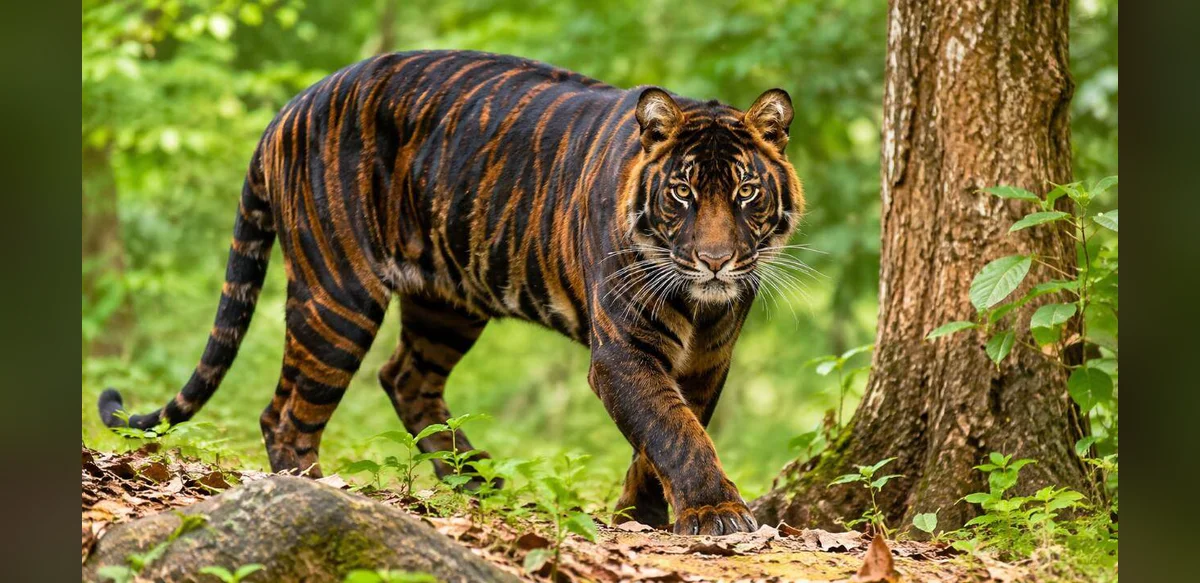
The Similipal Tiger Reserve in Odisha stands out as a unique location where pseudo-melanistic Bengal tigers occur naturally in the wild. These tigers display darker coats due to a genetic variation that increases melanin levels, creating a distinctive appearance often described as black tigers. Reports confirm that this specific form of the species is not documented elsewhere outside this protected area.
Recent observations indicate a steady increase in the number of adult pseudo-melanistic tigers within the reserve boundaries. Conservation measures implemented over the years have contributed to this growth, allowing the population to stabilize and expand gradually. The reserve covers extensive forested terrain that supports these animals alongside other species such as elephants and leopards.
Biodiversity within Similipal remains high because of the varied habitats available. The presence of multiple large mammals creates a balanced ecosystem where prey and predator interactions sustain the overall health of the forest. Elephants roam across open grasslands and wooded zones, while leopards occupy overlapping territories with the tigers.
Visitors interested in observing this wildlife can participate in guided safaris organized by reserve authorities. These tours follow designated routes designed to minimize disturbance to the animals. Accommodations consist of eco-friendly camps that blend with the surroundings and limit environmental impact.
The optimal period for travel to the reserve runs from November through June. During these months, weather conditions favor outdoor activities and increase the likelihood of wildlife sightings. Rainfall patterns outside this window can restrict access to certain trails.
Management of the reserve emphasizes protection of the tiger population while promoting responsible tourism. Educational programs at entry points inform visitors about the genetic traits of the pseudo-melanistic tigers and the broader conservation goals. Such initiatives help maintain public support for ongoing habitat preservation efforts.
Local communities near the reserve boundaries play a role in monitoring and reporting activities that could affect the tigers. Collaboration between officials and residents strengthens enforcement of regulations that prevent poaching and habitat encroachment. This partnership has proven effective in sustaining the rise in adult tiger numbers.
The reserve also serves as a site for scientific study of the unique coat patterns found in these tigers. Researchers document sightings and collect data on movement patterns to better understand how the genetic variation influences survival rates. Findings from these studies contribute to national wildlife management strategies.
Infrastructure improvements at the reserve focus on sustainable practices. Solar-powered facilities and waste reduction systems at the camps reduce the carbon footprint of tourism operations. These measures align with broader goals of maintaining the ecological integrity of the area.
Overall, Similipal continues to function as a critical sanctuary for the pseudo-melanistic tigers. The combination of protected land, increasing adult populations, and diverse wildlife makes it an important location for both conservation and educational tourism. Continued adherence to visiting guidelines ensures that future generations can experience the reserve in its current state.

