In a notable development for marine conservation efforts along the Pacific shoreline, researchers identified two nests belonging to olive ridley sea turtles in Southern California during September. This marked the initial verified instance of such natural nesting activity occurring on the western seaboard of the United States.
The discovery took place amid preparations for an approaching tropical storm, prompting swift action to safeguard the eggs. Specialists carefully moved the clutches to a controlled environment at the Aquarium of the Pacific for ongoing observation and protection.
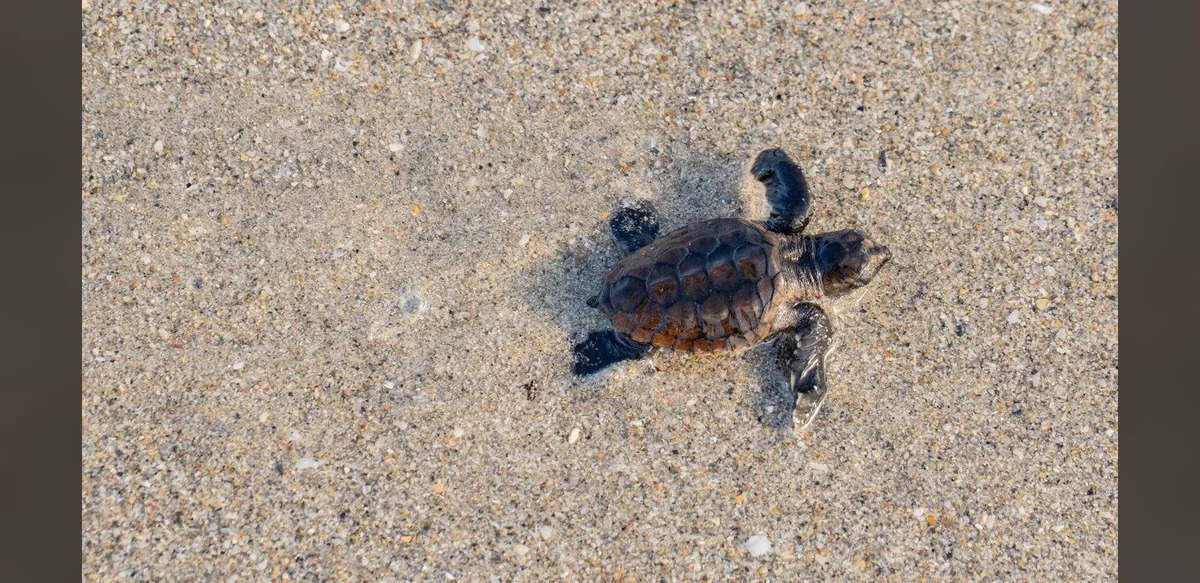
By mid-November, the first group of young turtles began to emerge. On the fourteenth of that month, a total of fifty-four hatchlings made their way from the relocated nests and were subsequently returned to the open waters of the Pacific Ocean.
The following day brought further success when an additional twenty-one hatchlings from the second nest, originally located near Huntington Beach, also completed their emergence and entered the sea under supervision.
This sequence of events highlights the challenges and responses involved in protecting vulnerable marine species during periods of adverse weather. The relocation process ensured the survival of the young turtles despite the storm threat that could have otherwise impacted the original sites.
Olive ridley sea turtles are known for their presence in warmer ocean regions, and their appearance in this northern location adds to records of occasional sightings and nesting attempts in unexpected areas. The successful hatching and release provide data points for scientists tracking population movements and reproductive behaviors.
Conservation teams involved in the monitoring emphasized the importance of rapid intervention when nests face environmental risks. The Aquarium of the Pacific served as a temporary facility equipped to maintain suitable conditions until the hatchlings were ready for ocean release.
Public interest in the story has grown as details of the releases circulated, underscoring broader awareness around sea turtle protection initiatives across coastal regions. Such events contribute to ongoing discussions about habitat preservation and the effects of changing weather patterns on wildlife.
Further analysis of the nests and hatchling health continues as part of routine follow-up procedures. These efforts help build a clearer picture of how species like the olive ridley adapt or expand their range over time.
Overall, the episode represents a milestone in documenting natural reproduction for this turtle species in the specified geographic area, with all young turtles successfully transitioned back to their marine habitat.