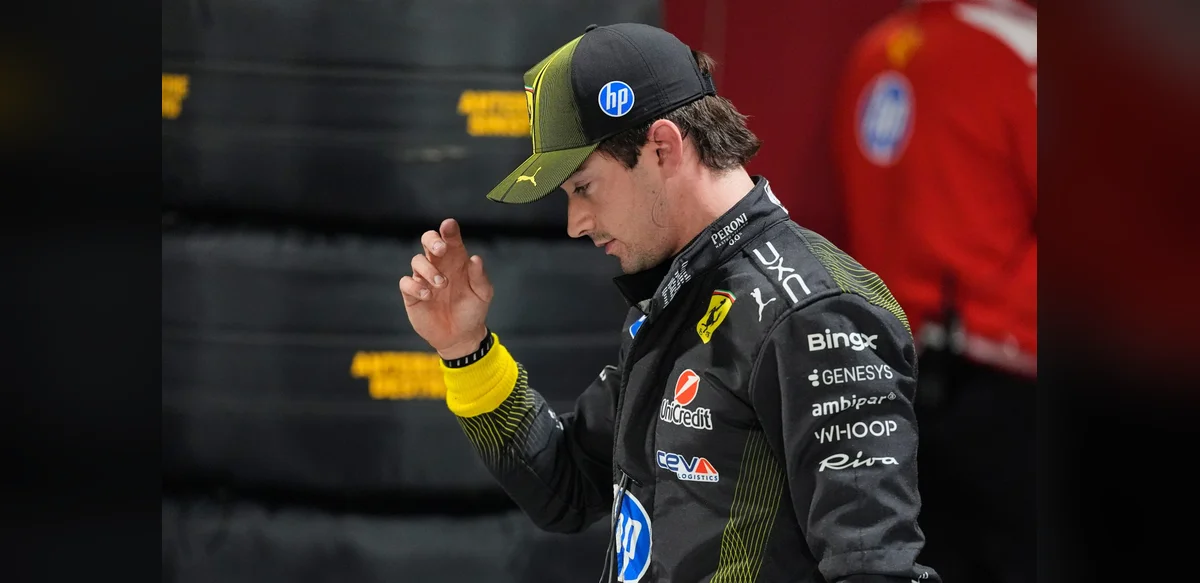
Formula 1 returns to the Middle East this weekend as the season concludes in Qatar following a period of disruption caused by the Iran war. The focus in the paddock has shifted away from broader geopolitical matters toward internal team dynamics and driver competitions.
The event marks the final races of a challenging year. Organizers have prepared the circuit under standard safety protocols, and teams have arrived to complete the remaining fixtures. Discussions among personnel center on performance issues and strategic decisions rather than external events.
Within one leading squad, reports indicate ongoing strain related to driver pairings and resource allocation. Observers note that these internal pressures could influence outcomes in the closing rounds. Team principals have emphasized unity in public statements while acknowledging the need to address performance gaps.
A separate storyline involves two prominent drivers whose on-track encounters have drawn attention throughout the campaign. Their competitive exchanges have featured close wheel-to-wheel action and differing approaches to racecraft. Analysts suggest these interactions may continue to shape championship narratives until the final checkered flag.
The Qatar circuit presents unique demands with its layout and nighttime conditions. Engineers have adjusted setups to account for track temperatures and tire management. Drivers have completed practice sessions aimed at optimizing qualifying positions and race pace.
Broader context for the season includes adjustments to the calendar due to the regional conflict. Several events were rescheduled or relocated, affecting logistics for all participants. Despite these changes, the championship has maintained its competitive integrity according to series officials.
Media coverage has highlighted the contrast between the high-stakes racing environment and the subdued tone regarding global affairs. Paddock interviews reveal a preference for concentrating on sporting matters. This approach aligns with the series’ tradition of separating competition from external issues.
Looking ahead, the remaining races will determine final standings in both drivers’ and constructors’ classifications. Points remain available across multiple categories, keeping several teams and individuals in contention. Preparations continue with an emphasis on reliability and strategic execution.
The return to the Middle East underscores the global nature of the championship. Venues in the region have hosted events successfully in prior years, contributing to the sport’s expansion. This year’s edition occurs under heightened security measures coordinated with local authorities.
In summary, the narrative surrounding the Qatar races revolves around team cohesion challenges and driver rivalries. These elements provide the primary talking points as the season reaches its conclusion. Further developments will unfold over the coming days as on-track action resumes.