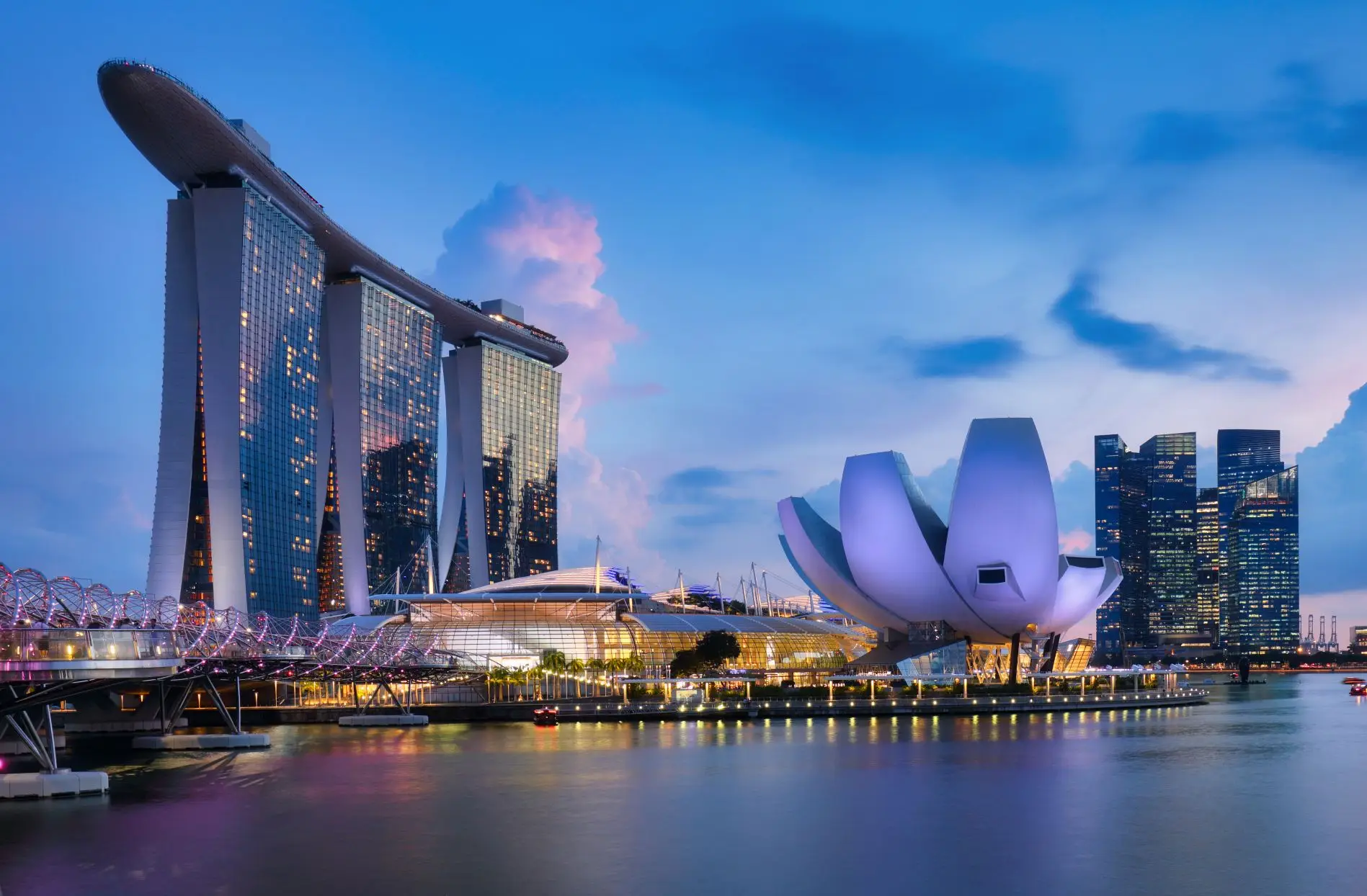
Since its beginnings as a British trading outpost in the early 19th century, Singapore has thrived as a port city commanding a pivotal position at the crossroads of travel and trade routes. Through a century and a half of colonial rule characterized by a liberal open-door immigration policy followed by six decades of careful post-independence planning in pursuit of economic growth and nation-building, Singapore has developed into a global city par excellence, with a distinctive multiracial complexion and cosmopolitan landscape. Limited land space and scarce natural resources have compelled Singapore to imagine itself as a global hub inextricably connected to the world, while rapidly declining fertility rates in the post-independence era have necessitated reliance on immigration to tackle labor shortages, population aging, and economic competitiveness.