


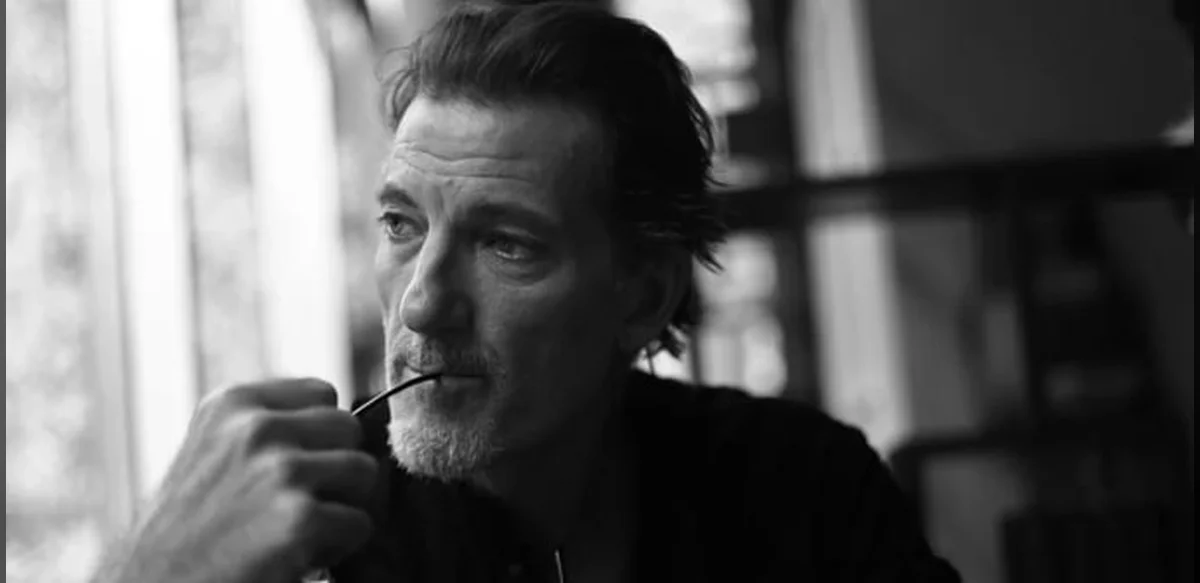
An American performer has shared that a trip to the historic city of Lucknow played a key role in shaping his first short film project titled Dear Tillo. The statement highlights how personal travel can influence creative work in unexpected ways.
Lucknow, known for its rich cultural heritage and architectural landmarks, has long attracted visitors from around the world. The performer noted that the atmosphere and surroundings during his stay provided the spark needed to develop the story for the film. This connection between location and artistic output is common among creators who draw from real-world encounters.
Short films often serve as an entry point for new voices in the industry. They allow filmmakers to experiment with narrative techniques and visual styles on a smaller scale before moving to larger productions. In this case, the debut effort appears rooted in observations made during the visit to northern India.
The city itself features a blend of old and new elements, with monuments reflecting centuries of history alongside modern developments. Such contrasts can offer fertile ground for storytelling, as different eras and influences intersect. The performer indicated that these aspects contributed to the thematic foundation of the work.
Industry observers point out that international creators frequently explore diverse settings to broaden their perspectives. Travel to places with distinct traditions can introduce fresh ideas and challenge existing assumptions. Here, the experience in Lucknow seems to have prompted a specific creative response leading to the completed short film.
Details about the plot or production process remain limited in public statements. Focus has stayed on the inspirational aspect rather than technical elements. This approach keeps attention on the personal journey behind the project.
Lucknow continues to feature in various artistic endeavors due to its unique character. Writers, directors, and other professionals have cited its environment as a source of material. The current example adds to that pattern by linking a specific visit to an emerging film.
The announcement comes at a time when short-form content gains increasing visibility through festivals and online platforms. Such works can reach wide audiences despite limited budgets. The performer’s comments underscore the value of authentic experiences in generating ideas.
Further information on release plans or additional projects has not been disclosed. The emphasis remains on how the journey to the city directly informed the debut effort. This narrative of inspiration through travel resonates with many in creative fields.
Overall, the account illustrates the potential impact of cultural immersion on artistic development. By highlighting the role of Lucknow, the performer draws attention to the city’s ongoing influence beyond its borders. Future works may explore similar themes if the initial response proves positive.
The story also reflects broader trends where global mobility shapes individual careers. Performers and filmmakers often accumulate influences from multiple locations, resulting in hybrid creative outputs. In this instance, the connection to one particular destination stands out as pivotal.
Readers interested in the intersection of travel and cinema may find this case noteworthy. It provides a straightforward example of how a single trip can lead to tangible results in the form of a completed film. The neutral recounting avoids speculation beyond stated facts.
As more details emerge, additional context might become available regarding the production timeline or cast. For now, the core message centers on the inspirational visit and its outcome. This keeps the discussion grounded in the performer’s own words.
The cultural significance of Lucknow extends to its cuisine, music, and literature, all of which contribute to its appeal. While not explicitly mentioned, these elements form part of the general environment that visitors encounter. Such surroundings can subtly affect creative processes without direct acknowledgment.
In summary, the development of Dear Tillo traces back to time spent in the city. The performer’s reflection serves as a reminder of how external settings can catalyze internal ideas. Continued interest in such stories may encourage further exploration of similar inspirations across the arts.

