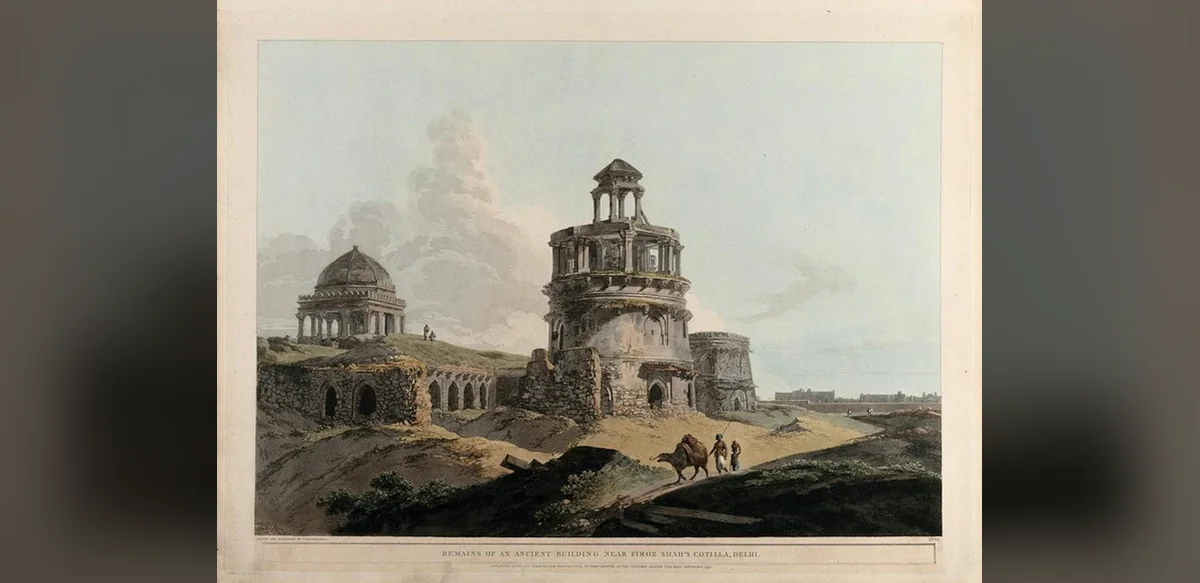
Apurba Chatterjee from the University of Reading reports that English painter George Chinnery departed Calcutta for Macau in 1825, fleeing debts and personal conflicts. He had spent 23 years in India, including time in Hyderabad and Dacca. Chinnery left behind debts estimated at 30,000 rupees and a reputation noted in biographical records for financial troubles and personal matters. Though known for portraits, his Indian landscapes remain notable. One work shows a calm early morning in the Bengal countryside, evoking peace distant from colonial realities. From the 1760s onward, several British artists reached India. They sought economic gains by serving expatriates and creating novel scenes for audiences in Britain. These works did not show India as it existed but transformed it into an exotic territory suited for colonial oversight. The images presented India as hazardous yet full of prospects. Artists traveling through regions documented landscapes visually, which supported claims over the land. This process linked questions of imperial control to artistic interpretation. The picturesque style, prominent in the late 18th century, emphasized uneven compositions, strong light contrasts, rough surfaces, and scenes with ruins or rural elements. It had earlier shaped views of the English countryside as an ideal. This approach coincided with land enclosures that favored large owners and restricted common access. The style framed such inequalities as natural. Similarly, returning colonial officials used the aesthetic to depict British influence as beneficial to foreign territories. In India, artists applied it to align landscapes with British notions of advancement. Thomas Daniell’s 1795 painting of ruins near Firoz Shah’s Kotla in Delhi illustrates this. It contributed to narratives of Mughal decline in the capital. The structure appears diminished, with sparse surroundings suggesting neglect that British rule might address. Such images positioned colonial authorities as bringers of progress. These picturesque views allowed Britons to interpret India through their own lens, reducing earlier cultural meanings. Charles Ramus Forrest’s 1824 depiction of the Taj Mahal treats it as a scenic feature for river viewers, omitting its Mughal symbolic elements tied to paradise gardens and Timurid heritage.