


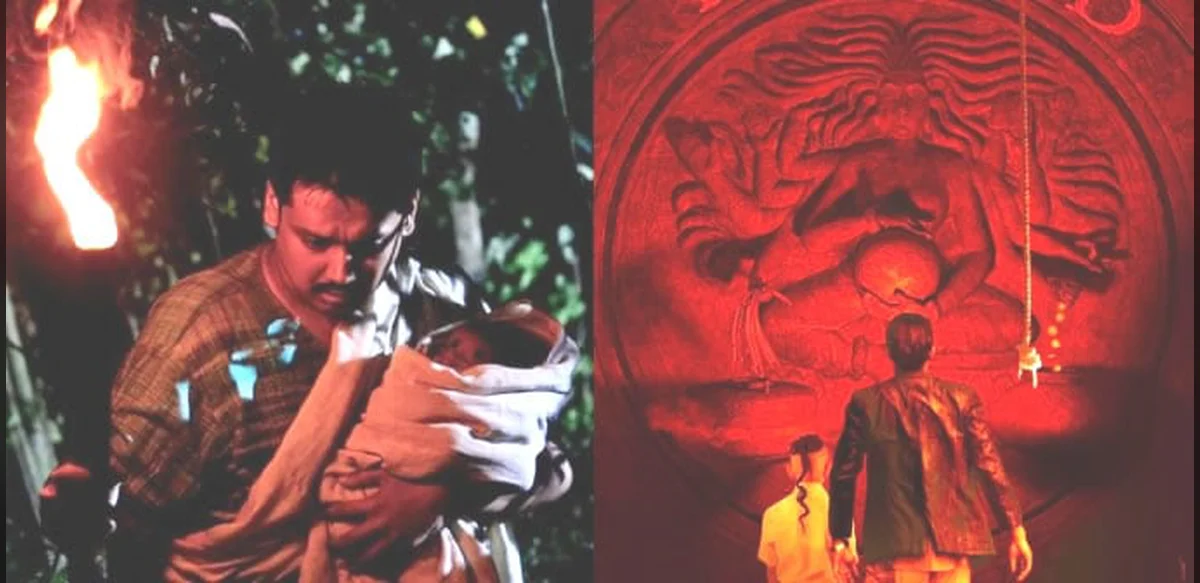
Magical realism has found a distinctive place in South Asian independent cinema, where filmmakers blend everyday cultural elements with subtle supernatural touches to create layered narratives. This approach allows stories to reflect social realities while inviting viewers to consider alternative perspectives on tradition and change.
The style draws from long-standing oral storytelling practices across the region, adapting them to modern screen formats. Directors often incorporate local customs, family dynamics, and historical echoes without relying on overt fantasy effects. Instead, small shifts in reality highlight emotional truths or societal tensions.
Independent productions benefit from this method because it requires limited resources yet delivers rich visual and thematic depth. Scenes set in ordinary homes or streets gain resonance when a quiet moment reveals an unexpected symbolic detail. Such techniques maintain audience engagement while preserving cultural authenticity.
Critics note that these films frequently address themes of identity, migration, and generational shifts. By embedding magical elements within realistic settings, creators avoid didactic messaging and instead encourage personal interpretation. This restraint distinguishes the works from mainstream commercial features that favor spectacle.
Viewers encounter a fusion of heritage motifs with contemporary concerns such as urbanization and gender roles. The result is cinema that feels both rooted and forward-looking. Festivals have increasingly programmed such titles, recognizing their ability to bridge local experiences with universal questions.
Production teams typically collaborate with regional writers and artists to ensure accurate representation of customs and dialects. This attention to detail strengthens the immersive quality of the magical realist sequences. Sound design and color grading further enhance the delicate balance between the mundane and the extraordinary.
The approach also opens avenues for emerging talent. New directors can experiment with narrative structure without large budgets, using suggestion rather than expensive visual effects. Audiences respond positively to the understated storytelling, which rewards repeated viewings.
Overall, magical realism continues to evolve within South Asian indie circles as a versatile tool for cultural commentary. Its emphasis on subtlety and context offers a compelling alternative to conventional plot-driven formats, sustaining interest among diverse global viewers interested in nuanced regional perspectives.

