


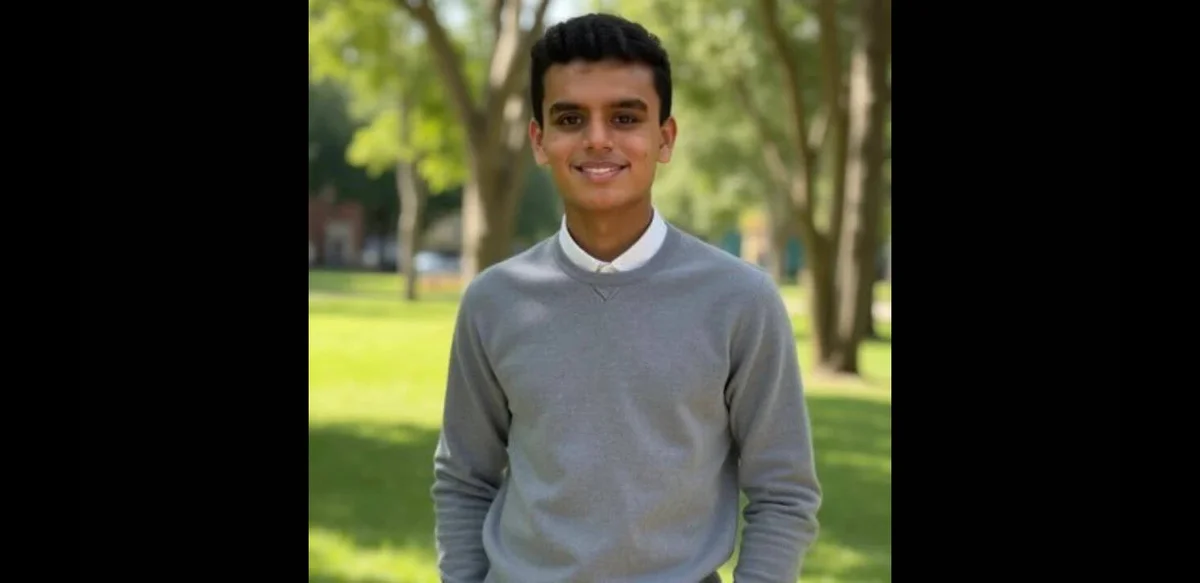
An Indian-American college student residing in Texas has publicly shared his sense of political displacement following intense criticism for casting a vote in favor of a Democratic candidate in recent elections. The individual, who prefers to remain unnamed in media reports, expressed that his decision stemmed primarily from concerns over specific policy areas rather than full alignment with any single party platform.
In statements shared through social media and interviews, the student highlighted that his primary worry centered on issues related to education access and economic opportunities for immigrant families. He noted that these matters outweighed other considerations at the time of voting, leading him to support the Democratic option despite his usual leanings toward other affiliations.
The backlash he encountered came largely from within his own community networks, where many expressed disappointment and questioned his choices. This reaction prompted him to describe himself as politically homeless, caught between differing expectations and his personal priorities. Observers suggest such experiences reflect broader tensions among diaspora groups navigating multiple cultural and political influences.
Community leaders in Texas have commented on the incident as part of ongoing discussions about voter preferences among Indian-Americans in the state. Data from recent cycles indicates that this demographic has shown varied support across parties, influenced by factors including professional backgrounds, regional origins in India, and local economic conditions.
Analysts point out that Texas hosts a growing population of Indian-origin residents, many of whom are involved in technology, healthcare, and business sectors. Their political engagement often focuses on topics like immigration reform, trade policies, and community integration. The student’s case underscores how individual decisions can spark wider conversations within these circles.
Experts in diaspora studies emphasize the importance of open dialogue to address such divides. They recommend forums where differing viewpoints can be exchanged without leading to exclusion. Similar situations have arisen in other states with significant South Asian populations, highlighting the diversity of opinions even among groups sharing common heritage.
The student concluded his remarks by calling for greater understanding across political lines. He stressed that concerns about future prospects for younger generations motivated his vote, hoping that future elections might allow for more nuanced participation without severe social repercussions.
Local organizations have begun hosting virtual sessions to explore these themes, aiming to foster connections among Indian-Americans regardless of their electoral preferences. Participation in such events has reportedly increased in recent months as awareness of these issues spreads.
Overall, the episode illustrates the complexities faced by individuals balancing personal convictions with community expectations in a polarized environment. It also points to the evolving nature of political identity among diaspora communities in the United States, where multiple influences shape decision-making processes.
Further reporting on this topic may examine voting patterns in upcoming cycles to determine if similar sentiments persist or evolve. For now, the student’s experience serves as a reminder of the personal costs sometimes associated with public political expression.

