


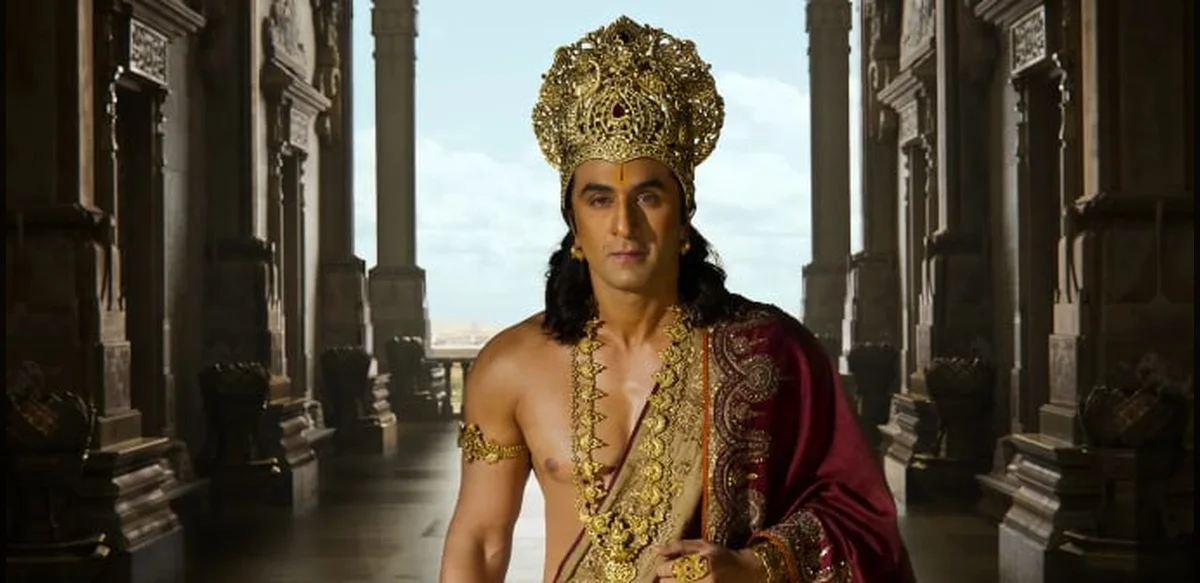
The latest cinematic adaptation of the ancient Indian epic Ramayana has drawn attention for its distinctive approach to storytelling. Directed by Nitesh Tiwari, the film places significant emphasis on the backstory of the central antagonist, offering viewers a fresh perspective on a well-known narrative. Critics have noted that while the production features impressive visual elements and strong performances in key roles, the screenplay presents some challenges in maintaining consistent pacing and narrative flow.
The story follows the traditional framework of the Ramayana but expands on the origins and motivations of Ravana, the ruler of Lanka. This focus allows for deeper exploration of character development that goes beyond the conventional hero-villain dynamic often seen in previous adaptations. The lead actor delivers a compelling interpretation that has been highlighted as one of the film’s strongest aspects, bringing nuance and intensity to the role.
Production values are high, with elaborate sets and special effects that aim to recreate the grandeur of the mythological era. Cinematography captures sweeping landscapes and intense battle sequences effectively, contributing to an immersive viewing experience. However, some sections of the script have been described as uneven, with certain plot points feeling rushed while others linger longer than necessary.
Audience reactions have been mixed so far. Many appreciate the innovative angle on Ravana’s character and the performances that anchor the emotional core of the story. Others point to pacing issues that occasionally disrupt engagement with the overall narrative. The film runs for approximately two and a half hours, which some viewers feel could have benefited from tighter editing in the middle act.
Tiwari, known for previous works that blend commercial appeal with substantive themes, has stated in interviews that the intention was to humanize the antagonist without altering the fundamental message of the epic. This approach has sparked discussions among audiences about the balance between tradition and creative reinterpretation in modern retellings of classic tales.
Supporting cast members contribute solid performances that help flesh out the ensemble. The music score complements the visuals, though it has received less commentary compared to the acting and direction. Technical aspects such as costume design and makeup enhance the period authenticity, adding to the film’s overall production quality.
In summary, the Ramayana adaptation succeeds in certain areas while facing criticism in others. It provides an opportunity for viewers to engage with the epic through a different lens, particularly regarding the antagonist’s perspective. Those interested in mythological cinema may find value in its ambitious scope, even if the execution is not uniformly polished throughout.
Further analysis from film scholars suggests that such adaptations reflect ongoing cultural interest in reexamining ancient stories for contemporary audiences. The film’s release has prompted renewed conversations about the relevance of these narratives in today’s context, particularly in regions with strong connections to South Asian heritage and storytelling traditions.
Box office performance indicates moderate success in initial weeks, with word-of-mouth playing a role in sustaining interest. International distribution has also been arranged, allowing broader access to the production. Overall, the project represents a notable effort in the genre of epic retellings, balancing spectacle with attempts at character depth.

